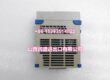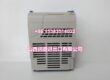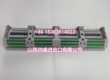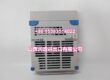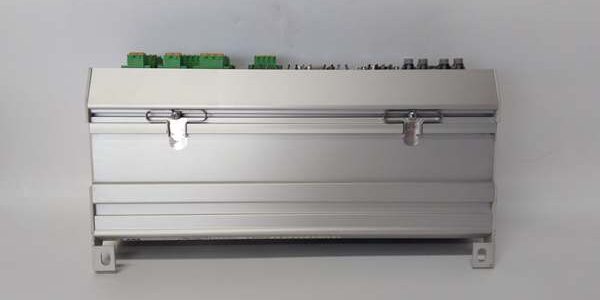
Component Snapshot At-a-Glance
- Model: UAD215A104
- Full Factory Part Number: 3BHE026284R0104
- Alternate Variant Series: UAD215A102 (15V/1000V), UAD215A105 (30V/1000V), UAD215A106 (30V/1500V)
- Product Series: ABB UNITROL 6000 Static Excitation System, PEC80 Power Electronic Control Platform, matched with UNL14300 rack backplane
- Hardware Type: Rack-mounted CSI (Current Source Inverter) converter signal interface PCB, dedicated excitation trigger & analog signal conditioning board
- Key Feature: Rated for 30V control / 500V power circuit signal processing, integrated thyristor pulse trigger circuits, galvanic multi-stage isolation, built-in synchronization signal filtering, factory conformal coating for power station harsh environments
- Primary Field Use: Act as the core signal bridge between UNITROL 6000 excitation main controller and high-power thyristor rectifier bridges of synchronous generators (thermal, hydro, nuclear, wind farm synchronous units); process PT synchronous voltage, rotor excitation current, stator voltage/current signals, generate isolated trigger pulses to control rectifier output for closed-loop generator voltage and reactive power regulation.
Hard-Numbers: Technical Specifications
- Supported Signals & Protocols: Three-phase 100V AC synchronous transformer signal, ±10V analog current/voltage feedback, TTL trigger pulse output, internal PEC80 backplane parallel bus
- Port & Connector Layout:
- Front multi-pin terminal blocks for field PT, CT, excitation current sensor wiring
- Central high-density D-Sub backplane connector for UNL14300 rack communication
- Screw terminal outputs for isolated thyristor trigger pulse wiring
- Front panel LED status indicators: Power, Sync Lock, Pulse Active, Channel Fault
- Voltage Rating Class: Control side 30V DC/AC, power signal side up to 500V AC/DC isolation withstand
- Operating Temperature: -40°C ~ +75°C full rated signal precision; storage range -40°C ~ +85°C; 5%–95% RH non-condensing humidity
- Galvanic Isolation Rating: 2500VAC reinforced isolation between low-voltage control logic and high-potential power circuit signals, multi-layer isolation barriers to block ground loop interference
- Power Supply: Redundant 24VDC rack supply, operating range 18–32VDC; typical power consumption 6W, max 9W, anti-reverse, overcurrent, overvoltage protection
- Core Functional Circuits:
- Synchronization signal anti-distortion filter for grid phase-locked loop
- Per-channel analog signal scaling & offset calibration circuits
- Isolated thyristor gate pulse driver with transient TVS suppression
- Hardware overcurrent/overvoltage fault detection latching logic
- PCB Protection: Full factory acrylic conformal coating to resist turbine oil mist, dust, condensation in power station excitation cabinets
- Certifications: CE, IEC 60536, ATEX Zone 2, Class I Div 2 non-incendive certification for hazardous power plant areas
- Mechanical Data:
- Dimensions: 340mm L × 120mm H × 20mm D
- Net weight: ~1.0kg
- Mount: Standard UNL14300 vertical rack slot, fixed screw installation
- Hot Swap Support: Not hot-swappable; full rack 24VDC control power and high-power rectifier AC input LOTO lockout required before removal.
The Real-World Problem It Solves
Discrete external signal conditioners and standalone pulse trigger boards occupy massive UNL14300 rack space, multiply wiring junctions and increase spare parts inventory for generator excitation cabinets. Unisolated signal interfaces allow high-potential rectifier transients to surge back and burn UNITROL main controller analog input channels, causing full generator excitation loss and unit tripping. Unfiltered raw PT synchronization signals carry heavy VFD and power grid harmonic noise, leading to unstable PLL phase lock, distorted trigger pulses, and severe generator reactive power oscillation. Uncoated bare PCB variants develop intermittent signal drift and open-circuit faults in humid, oily power station excitation rooms, triggering unplanned generator voltage deviation or full ESD shutdown.Typical Installation Scenarios:
- Thermal power plant UNITROL 6000 excitation racks for large turbo-generator rotor current closed-loop regulation
- Hydropower station synchronous generator control cabinets handling grid synchronization and reactive power compensation
- Nuclear power unit auxiliary generator static excitation safety monitoring racks
- Wind farm synchronous grid-forming generator CSI rectifier control enclosuresIntegrated all-in-one signal conditioning + pulse trigger design eliminates dozens of external auxiliary boards; reinforced galvanic isolation protects core UNITROL control hardware; built-in synchronization filtering stabilizes grid phase lock; conformal coating extends service life in corrosive power station environments, and integrated hardware fault detection sends real-time excitation alarm signals to plant DCS without extra monitoring modules.
Hardware Architecture & Under-the-Hood Logic
This interface PCB contains independent analog conditioning and pulse generation circuits; it runs signal conversion and trigger generation hardware logic separated from the main UNITROL controller, acting as an isolation buffer between low-voltage control logic and high-power rectifier hardware.
- Redundant filtered 24VDC rack power feeds multi-stage isolated regulator circuits for synchronization sampling, analog signal acquisition, and thyristor pulse driver sub-circuits.
- Three-phase PT synchronous voltage signals, stator CT current, and rotor excitation current sensor signals enter front terminal blocks, passing through RC low-pass anti-harmonic filters to eliminate grid/VFD noise interference.
- Precision analog scaling circuits convert raw millivolt/volt sensor signals into standardized ±10V digital sampling levels readable by the UNITROL PEC80 main controller via UNL14300 backplane bus.
- Hardware phase-locked loop circuit compares grid sync signal with internal reference; calculates firing angle and outputs isolated differential thyristor trigger pulses to rectifier gate wiring terminals.
- Per-channel TVS transient suppression diodes absorb inductive kickback from long thyristor gate cables, preventing pulse circuit burnout during rectifier short-circuit events.
- Onboard hardware fault detection logic monitors sync loss, pulse open-circuit, signal over-range and PCB over-temperature conditions; latches fault status and illuminates corresponding front panel LED indicators for on-site troubleshooting.
- Full conformal coating encapsulates all PCB traces, solder joints and semiconductor components to prevent leakage currents and intermittent signal faults caused by condensed oil and moisture inside sealed excitation cabinets.
Field Service Pitfalls & Standard Compliance Rules
1. Skipping Full Dual Power LOTO Before Board Removal
Hazard: Disconnecting wiring while rack 24V control power or rectifier high-voltage AC input is live creates lethal electric shock hazards; short-circuited trigger pulses can cause uncontrolled full excitation output and generator overvoltage trip.Field Rule: Perform lockout/tagout on both UNL14300 rack 24VDC power breakers and upstream rectifier AC input isolators; wait minimum 5 minutes for internal high-voltage capacitors to fully discharge before handling any terminals or extracting UAD215A104.
2. Dual-End Grounding Synchronization / CT Signal Cable Shields
Hazard: Parallel ground loop AC noise distorts three-phase PT sync waveforms, breaking PLL phase lock and generating irregular thyristor firing angles, leading to severe generator voltage oscillation and reactive power swing alarms on plant DCS.Field Rule: Terminate all PT/CT sensor cable shield braids only at the UNITROL excitation cabinet chassis ground bar; fully tape and isolate shield conductors at remote transformer junction boxes.
3. Improper Terminal Torque Creates Vibration-Induced Intermittent Trigger Loss
Hazard: Over-tightening crushes thin signal wire strands; under-tightening forms high-resistance loose contacts that disconnect under generator frame mechanical vibration, causing random excitation pulse loss and rotor current fluctuation.Field Rule: Torque all terminal block screws to ABB specified 0.6 N·m; re-torque all field wiring terminals during quarterly excitation cabinet inspection cycles.
4. Mismatched UAD215 variant board replacement
Hazard: Installing A105 (30V/1000V) or A102 (15V/1000V) variants in place of UAD215A104 breaks signal voltage matching, leading to saturated analog readings, failed synchronization and constant channel fault LED alarms.Field Rule: Only replace with exact matching part number UAD215A104 (3BHE026284R0104); re-calibrate PT/CT signal offset and verify stable grid phase lock for 30 minutes before restoring generator excitation operation.
Commercial Availability & Pricing Note
Please note: All technical content above is for engineering reference only and does not constitute binding quotation terms. Final unit cost, factory lead time, warranty coverage and bulk discount terms shall be negotiated based on original stock availability, order quantity and power plant project delivery schedules.