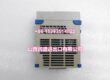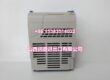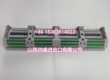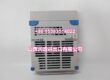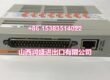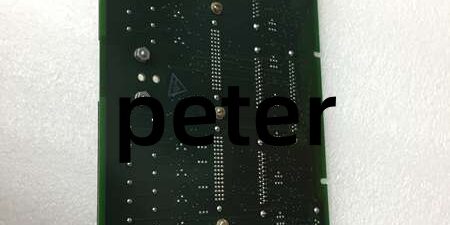
Component Snapshot At-a-Glance
- Model: IS200TVBAH2ABB
- Alt. P/N: Base part IS200TVBAH2A; suffix BB = full factory acrylic conformal coating for harsh turbine oil-mist environments
- Product Series: GE Speedtronic Mark VI / Mark VIe Turbine Control Platform (TVBA = Terminal Vibration Board Assembly)
- Hardware Type: Passive rack-mounted signal termination PCB exclusively paired with IS220PVIBH1A vibration I/O packs
- Key Feature: 8 isolated vibration input channels, integrated EMI low-pass filters + TVS surge suppression, 2500VAC channel-to-backplane galvanic isolation, pluggable screw terminal blocks for field transducer wiring
- Primary Field Use: Terminate raw analog signals from Bently Nevada proximity probes, IEPE accelerometers, seismic velocity sensors and Keyphasor transducers; condition vibration waveforms and route filtered signals to PVIB I/O packs for rotating machinery protection and predictive maintenance trending.
Hard-Numbers: Technical Specifications
- Protocol Support: Passive analog signal transmission only; no on-board digital processing; multi-pin ribbon bus to IS220PVIBH1A PVIB packs
- Port Count: Dual pluggable screw terminal blocks (TB1/TB2) for field sensor wiring, 3 multi-pin ribbon connectors (JR1, JS1, JT1) for TMR redundant PVIB interconnection, board ID resistor circuit
- Baud/Data Rate: Continuous analog signal pass-through; PVIB performs 20kHz high-speed sampling after receiving conditioned signals from TVBA
- Operating Temperature: -40°C to +70°C full rated signal integrity; performance derates above +60°C in sealed oil-mist turbine enclosures; 5%–95% RH non-condensing humidity tolerance
- Isolation Rating: 2500VAC galvanic isolation separating each field vibration channel from low-voltage ribbon bus logic to eliminate cross-talk and wiring transients
- Power Draw: Pure passive termination board; consumes <1W, all excitation power (-24VDC for proximity probes) sourced from the paired PVIB I/O pack
- Channel Layout: 8 fully independent vibration input channels, compatible with ±10V displacement signals and IEPE accelerometer outputs
- Signal Protection: Per-channel RC anti-aliasing filters + TVS transient suppression diodes to absorb inductive voltage spikes and VFD electrical noise
- PCB Treatment: Full conformal acrylic coating (BB revision) seals all traces, solder joints and components against turbine lubricant mist, condensation and industrial dust corrosion
- ESD Rating: ±6kV contact discharge, ±12kV air gap discharge on all field terminal block terminals
- Mount Format: Metal bracket screw mounting inside standard Mark VIe vertical rack slots; IP20 cabinet-only ingress rating
- Physical Dimensions: 178mm W × 159mm H × 20mm D; unit weight 0.4kg
- Hot Swap: Not hot-swappable; full rack 28VDC LOTO lockout required before board removal or terminal wiring disconnection
The Real-World Problem It Solves
Direct hardwiring of vibration probes to PVIB I/O packs creates fragile, unfiltered signal paths vulnerable to VFD switching noise and inductive surge damage, triggering constant false high-vibration turbine trip pre-alarms. Generic unisolated terminal strips lack built-in EMI filtering and channel isolation, leading to severe measurement drift and cross-channel signal interference on multi-bearing monitoring setups. Uncoated base TVBA PCBs develop intermittent open-circuit faults in high-humidity turbine houses, and non-pluggable terminals force full cable disassembly during board replacement, extending maintenance downtime.Where you’ll typically find it:
- Combined-cycle gas turbine Mark VIe TMR safety racks monitoring thrust bearing proximity probes and casing accelerometers
- Steam turbine generator auxiliary control cabinets collecting generator stator vibration and Keyphasor phase signals
- Refinery high-pressure compressor ESD enclosures housing seismic velocity sensors for mechanical fault protectionIntegrated surge suppression eliminates external signal conditioner hardware, pluggable terminal blocks speed field wiring replacement, heavy galvanic isolation blocks high-voltage field transients from damaging PVIB I/O packs, and conformal coating extends service life in corrosive turbine cabinet environments.
Hardware Architecture & Under-the-Hood Logic
This passive terminal board contains no on-board microprocessor or signal conversion logic; it acts purely as a filtered, isolated signal bridge between turbine-mounted vibration transducers and the intelligent IS220PVIBH1A PVIB vibration I/O pack. All high-speed analog sampling, scaling and fault detection executes entirely within the PVIB module.
- Removable dual screw terminal blocks accept 12–16AWG shielded transducer cables for all 8 vibration input channels, simplifying wiring repairs without extracting the full TVBA board from the rack.
- Per-channel passive RC low-pass filters suppress high-frequency mechanical vibration noise and VFD electrical interference before analog signals reach the PVIB pack.
- Independent 2500VAC isolation barriers separate every field sensor circuit from multi-conductor ribbon bus connectors that link to redundant PVIB I/O packs for TMR voting architectures.
- TVS transient suppression diodes fitted to each channel absorb voltage kickback from long turbine-mounted probe cables, preventing PVIB analog input circuit burnout.
- Onboard unique ID resistor chip enables automatic hardware tree recognition by paired PVIB packs on rack power-up, eliminating manual channel mapping configuration in ControlST engineering software.
- Multi-path ribbon connectors support TMR triple redundant PVIB rack layouts, distributing identical vibration signals to three independent vibration processing packs for safety voting logic.
- Conformal coated PCB fully encapsulates all copper traces and component leads to block condensed turbine oil, moisture and dust, preventing leakage currents and intermittent channel dropout faults.
Field Service Pitfalls: What Rookies Get Wrong
Dual-End Grounding Vibration Probe Cable Shields Induces Severe Measurement Drift
New technicians ground transducer shield braid at both the TVBA terminal block and turbine-mounted probe junction boxes. Parallel ground loop AC noise shifts proximity and acceleration readings continuously during VFD pump/compressor cycling, spamming the plant HMI with false high-vibration pre-alarms.Field Rule: Terminate all vibration sensor cable shielding only at the Mark VIe cabinet chassis ground bar; fully tape and isolate shield conductors at all remote turbine probe enclosures.
Skipping Filter/Surge Diode Inspection After Probe Cable Short Circuits
Junior field crews replace broken vibration probes without checking per-channel TVS suppression diodes on the TVBA board. Unabsorbed wiring short-circuit transients burn PVIB analog input channels, requiring costly I/O pack replacement mid-unit operation.Quick Fix: Visually inspect each channel’s TVS diode for burn discoloration post every transducer cable fault; run full channel scan via ControlST to verify stable vibration readings before restoring turbine service.
Improper Terminal Torque Creates Vibration-Induced Intermittent Signal Loss
Field technicians over-torque or under-torque screw terminal block connections during wiring modifications. Loose wire strands form high-resistance contact points that drop out under turbine frame mechanical vibration, triggering random sensor open-circuit fault alarms.Field Rule: Torque TVBA terminal block screws to GE specified 0.7 N·m; re-torque all transducer wiring terminals during quarterly turbine cabinet inspection cycles.
Commercial Availability & Pricing Note
Please note: The listed price is for reference only and is not binding. Final pricing and terms are subject to negotiation based on current market conditions and availability.