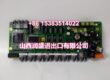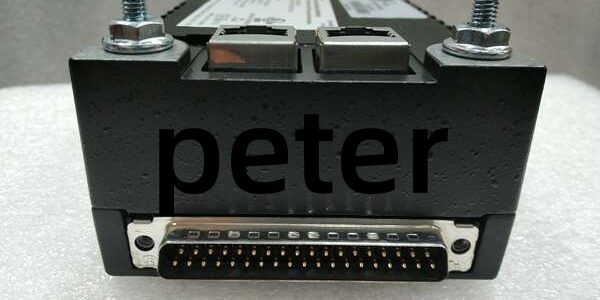
Component Snapshot At-a-Glance
- Model: IS220PVIBH1A
- Alt. P/N: No direct cross-revision drop-in; paired exclusively with TVBA series vibration terminal boards (TVBAH1B, TVBAH2A)
- Product Series: GE Speedtronic Mark VIe / Mark VIeS Distributed Turbine Control Platform (PVIB = Proximity Vibration Input Pack)
- Hardware Type: Hot-swappable DIN rail intelligent analog I/O pack dedicated to rotating machinery vibration signal acquisition
- Key Feature: 13 simultaneous isolated input channels, built-in -24VDC transducer excitation, dual redundant 100Mbps IONet Ethernet, 20kHz high-frequency sampling for proximity probes, accelerometers and velocity sensors
- Primary Field Use: Capture shaft displacement, bearing vibration and Keyphasor phase signals for gas/steam turbines, generators and refinery compressors; transmit real-time vibration trending, alarm and trip data to Mark VIe UCSA/controller via IONet for machinery protection and predictive maintenance.
Hard-Numbers: Technical Specifications
- Protocol Support: GE proprietary IONet Ethernet, ControlST engineering diagnostic stack, cyclic vibration frame rates (3.125 / 6.25 / 12.5 / 25 / 50 / 100 Hz)
- Port Count: 2×RJ45 IONet Ethernet (ENET1/ENET2), DC-37 multi-pin ribbon connector to TVBA terminal board, front IR service port, front-panel LED bank (PWR, ATTN, LINK/TxRx per Ethernet)
- Baud/Data Rate: IONet 10/100Mbps full duplex; analog sampling bandwidth 0.5Hz–20kHz per channel
- Operating Temperature: -30°C to +65°C full rated measurement accuracy; storage -40°C to +70°C; 5%–95% RH non-condensing humidity tolerance
- Isolation Rating: 2000VAC channel-to-channel galvanic isolation to eliminate signal crosstalk and field wiring transients
- Power Draw: Typical 7W, max 9W; 28VDC nominal rack supply, operating range 18–32VDC, 320mA peak input current
- Transducer Support: Bently Nevada compatible proximity probes, IEPE accelerometers, seismic velocity sensors; onboard regulated -24VDC / 12mA excitation per channel
- Measurement Precision: ±0.5% full-scale linearity, 0.01g vibration resolution, minimum 5VDC common-mode noise rejection
- PCB Treatment: Factory conformal coating to resist turbine oil mist, condensation and industrial dust buildup
- Mount Standard: 35mm DIN rail lock-and-slide mounting; IP20 cabinet-only ingress rating
- Physical Dimensions: 82.6mm W × 41.9mm H × 121mm D; unit weight 0.34kg
- Hot Swap: Fully hot-swappable on live simplex/TMR Mark VIe racks; no full cabinet LOTO power shutdown required for module replacement
The Real-World Problem It Solves
Separate low-channel vibration acquisition packs waste multiple DIN rail slots for turbine bearing monitoring setups, increasing cabinet footprint and wiring labor. Unisolated single-Ethernet vibration modules lose all machinery vibration telemetry if one network link fails, leaving rotating equipment unprotected during critical load swings. Generic signal conditioners lack integrated transducer excitation and built-in open/short sensor diagnostics, requiring extra terminal block fusing and external fault monitoring. Uncoated bare vibration I/O PCBs develop measurement drift and intermittent channel dropout in high-humidity turbine houses, triggering false high-vibration turbine trip alarms.Where you’ll typically find it:
- Combined-cycle gas turbine Mark VIe TMR safety racks monitoring thrust bearing vibration and shaft proximity probes
- Steam turbine generator auxiliary control cabinets collecting accelerometer signals for generator stator and bearing predictive trending
- Refinery high-pressure compressor ESD enclosures capturing Keyphasor phase and casing vibration for overspeed and mechanical fault protectionHigh-density 13-channel layout consolidates all rotating machine vibration inputs to one DIN rail module, dual redundant IONet eliminates single communication failure risks, onboard sensor power supply removes external transducer power units, and built-in channel self-diagnostics report broken probe cables directly to the plant HMI without extra monitoring hardware.
Hardware Architecture & Under-the-Hood Logic
This intelligent I/O pack integrates a dedicated vibration signal processor that handles high-speed analog sampling, transducer excitation regulation and fault detection independent of the Mark VIe main controller; it communicates filtered, calibrated vibration data to the control system exclusively over isolated IONet Ethernet.
- 18–32VDC DIN rail input feeds multi-stage isolated power regulators for the vibration processor, dual Ethernet transceivers and per-channel -24VDC transducer excitation circuits.
- DC-37 rear ribbon connector links to paired TVBA terminal boards, routing 13 isolated vibration input signals to internal anti-aliasing low-pass filters to suppress VFD and turbine frame mechanical noise.
- Per-channel 20kHz high-speed A/D converters convert analog proximity/seismic signals into digital displacement, velocity and acceleration values with hardware open/short circuit sensor fault detection.
- Dual ENET1/ENET2 IONet ports operate active/standby; vibration trending and alarm traffic automatically reroutes to the healthy Ethernet port if one link drops offline.
- Front IR port enables wireless ControlST connection for local firmware upgrades, vibration threshold calibration and fault log extraction without hardwired engineering cables.
- Front-panel multi-color LED bank delivers immediate visual diagnostics: PWR (28V rack supply health), ATTN (hardware/sensor fault flag), LINK/TxRx per Ethernet for cable/switch link verification.
- Onboard non-volatile flash memory stores sensor scaling factors, vibration trip setpoints and 10,000-event sequence-of-measurement logs retained through complete cabinet power loss.
Field Service Pitfalls: What Rookies Get Wrong
Mismatched Firmware Between PVIB Pack and Mark VIe Controller
New technicians flash updated controller firmware without matching IS220PVIBH1A revision. Version incompatibility corrupts vibration sample frames, triggers constant ATTN fault alarms and stops high-frequency vibration trending uploads to the plant historian.Field Rule: Upload identical matched firmware bundles for all Mark VIe controllers and PVIB vibration packs; run full TVBA sensor channel scan and vibration threshold test post-upgrade before returning the turbine online.
Dual-End Grounding Vibration Sensor Cable Shields Induces Severe Measurement Drift
Junior field staff ground probe cable shield braid at both the TVBA terminal block and turbine-mounted transducer junction boxes. Parallel ground loop AC noise shifts proximity and vibration readings continuously during VFD pump/compressor cycling, generating false high-vibration turbine trip pre-alarms.Quick Fix: Terminate all vibration sensor cable shielding only at the Mark VIe cabinet chassis ground bar; fully tape and isolate shield conductors at all remote turbine-mounted probe enclosures.
Blocked Cabinet Airflow Creates Chronic Thermal Measurement Offset
Field technicians stack IS220PVIBH1A modules flush against power supplies and relay I/O packs with zero vertical clearance above/below each vibration pack. Internal PCB temperatures exceed 65°C rated limit, causing analog measurement drift and erratic vibration alarm triggering.Field Rule: Maintain a minimum 80mm vertical empty clearance top and bottom of every PVIB DIN rail assembly; clean cabinet intake air filters every 90 days in oily refinery and turbine house environments.
Commercial Availability & Pricing Note
Please note: The listed price is for reference only and is not binding. Final pricing and terms are subject to negotiation based on current market conditions and availability.