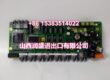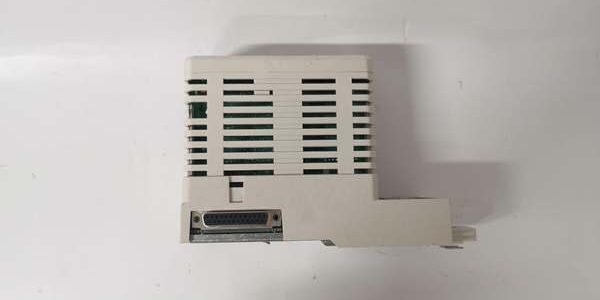
Component Snapshot At-a-Glance
- Model: SM811K01
- Alt. P/N: 3BSE018173R1; modern replacement SM812K01 for new safety builds
- Product Series: ABB AC 800M / 800xA SIS Safety Instrumented System Platform
- Hardware Type: TÜV SIL3 certified safety co-processor module paired with PM865 main CPU, TP868 dedicated baseplate and TK852 sync cable
- Key Feature: 1oo2 diverse voting architecture with PM865; independent safety logic execution separate from standard process control
- Primary Field Use: Run certified emergency shutdown (ESD), burner management and overpressure safety logic on power plant, refinery and chemical SIL3 process units.
Hard-Numbers: Technical Specifications
- Protocol Support: CEX-Bus, ModuleBus, safety sync communication with PM865, Modbus TCP safety reporting
- Port Count: D-Sub safety sync port (TK852 cable link to PM865), rear TP868 baseplate CEX-Bus connector, front multi-status LED array
- Baud/Data Rate: Deterministic 10ms safety logic scan cycle; high-speed cross-CPU safety data sync
- Operating Temperature: 0°C to +55°C full SIL3 rated operation; storage range -40°C to +85°C
- Isolation Rating: 500 VAC galvanic isolation between safety field I/O bus and core safety logic
- Power Draw: Typical 3.8W, max 4.2W; 24VDC supply range 19.2–30VDC, 160mA typical / 250mA peak input current
- Core Hardware: 96MHz MPC862P safety processor, 32MB dedicated safety RAM, non-volatile flash for SIL application logic
- Safety Certification: IEC 61508 SIL3 TÜV approved, >99% internal diagnostic fault coverage
- Physical Dimensions: 59mm W × 186mm H × 127.5mm D; full kit weight 0.7kg including TP868 baseplate
- Mount: Standard DIN rail lock-and-slide via TP868 baseplate; IP20 cabinet-only rating
- Hot Swap: Fully hot-swappable on redundant PM865/SM811 SIL racks without full rack LOTO
The Real-World Problem It Solves
Standard PM865 main CPUs lack independent safety processing; running SIL3 ESD logic solely on the main controller creates shared single points of failure and fails third-party safety audits. Undiversified single-CPU safety systems cannot cross-validate sensor trip signals, allowing silent hardware drift to bypass critical shutdown protection. Older non-SM811 safety setups require separate standalone SIS racks that double cabinet footprint and wiring labor costs.Where you’ll typically find it:
- Combined-cycle gas turbine AC800M SIS racks handling overspeed, high exhaust temp and fuel gas ESD safety loops
- Refinery crude distillation and hydrotreater SIL3 cabinets monitoring high-pressure vessel shutdown interlocks
- Chemical plant burner management systems paired with S800 safety I/O racks for furnace flame failure protectionDiverse 1oo2 voting with eliminates common-cause safety failures, native certification meets regulatory audit requirements, and compact co-processor design avoids expensive standalone safety cabinet deployments.
Hardware Architecture & Under-the-Hood Logic
This safety module operates as an independent parallel processing unit to the main CPU; all safety trip calculations run on isolated hardware, and results cross-compared via TK852 sync cable for 1oo2 diverse voting. Standard process control and safety logic never share processing resources.
- 24VDC DIN rail power feeds isolated regulator rails exclusive to the SM811 safety processor, separated from power circuits to avoid cross-talk noise.
- TK852 dedicated sync cable creates hardwired real-time data exchange between SM811 and matched for continuous safety signal cross-verification.
- 32MB dedicated safety RAM stores only SIL-certified ESD, burner and overpressure logic; standard control application data never loads to this memory space.
- CEX-Bus interface connects BC810 couplers to poll S800 safety-rated analog/digital I/O, feeding validated trip sensor data into the safety processor.
- Onboard self-diagnostics continuously monitor internal voltage, processor clock and memory integrity; any single hardware fault flags a safety mismatch alarm and forces verified safe state output.
- Front panel multi-color LED bank displays 24V power, sync link health, safety logic active status, voting mismatch and hardware fault codes for on-site troubleshooting.
- Safety event sequence logs store trip trigger timestamps in non-volatile flash for post-fault root cause review without relying on the main historian.
Field Service Pitfalls: What Rookies Get Wrong
Mismatched Safety Firmware Between SM811K01 and Paired PM865K01
New technicians flash updated firmware without matching the SM811 safety processor revision. Version incompatibility breaks 1oo2 voting sync, triggers persistent safety mismatch alarms and invalidates certification until corrected.Field Rule: Load identical matched firmware bundles for both SM811 and ; run full safety logic download and forced trip test post-upgrade before returning the SIL unit online.
Improper TK852 Sync Cable Routing Creates Safety Voting Noise
Junior staff run the thin TK852 sync cable parallel to high-current motor/VFD power wiring without separation. Induced AC interference corrupts cross-CPU safety signal exchange and generates false trip mismatch alarms during pump/compressor cycling.Quick Fix: Route safety sync cable minimum 30cm away from all AC power harnesses; secure cable with dedicated low-voltage cable ties only, avoid bundling with Ethernet/fieldbus wiring.
Zero Vertical Clearance Causes Chronic Safety Processor Thermal Foldback
Field technicians stack assemblies flush against power supplies and communication modules with no empty rack space above/below each safety CPU. Internal PCB temperatures exceed 55°C, triggering safety logic watchdog resets and uncommanded unvalidated trip states.Field Rule: Maintain minimum 100mm vertical empty clearance top and bottom of every + pair; clean cabinet intake air filters every 90 days in oily refinery and turbine house environments.
Commercial Availability & Pricing Note
Please note: The listed price is for reference only and is not binding. Final pricing and terms are subject to negotiation based on current market conditions and availability.