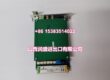
Component Snapshot At-a-Glance
- Model: IS215VPROH1B
- Alt. P/N: IS215VPROH1A (legacy functionally identical predecessor)
- Product Series: GE Speedtronic Mark VI Turbine Control Platform, Protection Module P
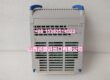
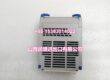
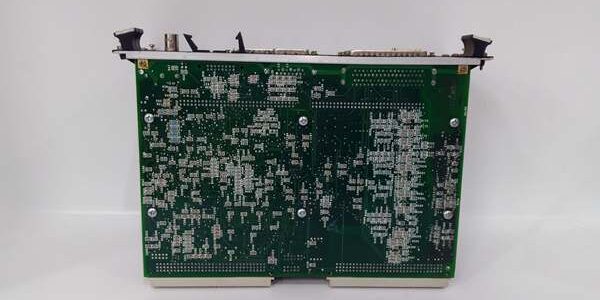
- Hardware Type: Stacked dual-board VME emergency turbine safety protection assembly (base carrier + IS200VPRW daughterboard)
- Key Feature: Independent triple redundant overspeed/trip logic with built-in 12 voting relays and native IONet Ethernet communication
- Primary Field Use: Standalone safety protection for gas/steam turbines; monitors speed probes, thermocouples and analog 4–20mA signals to actuate 125VDC trip solenoids separate from main governor control.
Hard-Numbers: Technical Specifications
- Protocol Support: GE proprietary IONet Ethernet, VME backplane parallel bus, analog thermocouple/4–20mA sensor interfaces
- Port Count: 1×RJ45 IONet Ethernet, multi-pin front D-Sub connectors J3/J4/J5/J6 for TPRO/TREG terminal boards, dual rear VME edge connectors, front panel status LED array
- Baud/Data Rate: IONet 10/100Mbps auto-sense; high-speed VME backplane parallel scan
- Operating Temperature: -40°C to +70°C full rated operation; derate above +60°C in unventilated turbine houses
- Isolation Rating: 1500VAC galvanic isolation between field sensor wiring, trip relay circuits and VME backplane logic
- Power Draw: Typical 13W, peak 16W; 24VDC rack supply operating range 18–32VDC
- Sensor Inputs: 9 thermocouple channels, 3×4–20mA analog loops, redundant magnetic speed probe inputs
- Trip Relay Layout: 12 onboard control relays; 9 relays grouped 3×3 for 2oo3 voting of up to three 125VDC trip solenoids via TREG/TRPG
- VME Form Factor: 6U VME rack slot; dimensions 262 × 200 × 80 mm; unit weight 1.2kg
- Hot Swap: Not hot-swappable; full VME rack LOTO power shutdown required for removal/replacement
- PCB Treatment: Factory conformal coating to resist turbine oil mist, humidity and condensation
The Real-World Problem It Solves
Main Mark VI governor CPU relies on shared I/O boards for protection signals; a single control board fault could disable overspeed trip logic and risk catastrophic turbine overspin. Unvoted single-channel trip circuits cannot cross-verify speed or temperature inputs, allowing silent sensor drift to bypass safety shutdown thresholds. Separate external relay panels add dozens of wiring junctions that corrode and create intermittent trip failures in humid turbine enclosures.Where you’ll typically find it:
- Combined-cycle gas turbine Mark VI protection racks monitoring exhaust temperature and shaft overspeed safety loops
- Steam turbine generator control cabinets driving hydraulic 125VDC trip solenoids via paired TREG terminal boards
- Refinery turbine compressor safety enclosures with triple redundant VPRO voting architecturesIntegrated triple redundant 2oo3 relay voting eliminates single-point safety failure risks, consolidates temperature/speed sensor acquisition onto one VME card, and communicates all trip status to plant HMI via direct IONet without external gateways.
Hardware Architecture & Under-the-Hood Logic
This stacked VPRO assembly runs independent safety processing isolated from the main turbine governor CPU; every overspeed, overtemperature and E-stop condition is cross-checked via triple redundant hardware before energizing trip solenoid relays. It does not share control logic with standard Mark VI analog/digital I/O packs.
- 24VDC VME rack power feeds isolated regulator circuits for the onboard safety processor, IONet transceiver and 12 trip relay coils.
- Field thermocouple, 4–20mA and speed probe signals route through front panel D-Sub connectors to analog front-end filter circuits.
- Local dedicated safety processor continuously compares measured speed/temperature values against hardwired trip setpoints stored in non-volatile flash memory.
- Nine voting relays form three independent 2oo3 logic groups; a turbine trip only triggers if two out of three relay paths de-energize the 125VDC solenoid supply on TREG terminals.
- RJ45 IONet Ethernet port transmits real-time trip status, sensor raw values and fault event logs to the Mark VI main controller and plant historian.
- Front panel multi-color LED bank displays rack power, IONet link, trip relay status, overspeed fault and thermocouple open-circuit alarms for local troubleshooting.
- Dual rear VME edge connectors pass backplane health signals to the rack chassis monitor; all safety logic executes fully offline if IONet communication is lost.
Field Service Pitfalls: What Rookies Get Wrong
Skipping Full VME Rack LOTO Before VPRO Board Extraction
New technicians pull IS215VPROH1B live without locking out rack 24VDC power. Hot edge connector contact arcing burns VME backplane gold traces and can short the 125VDC trip solenoid supply, triggering uncommanded full turbine ESD.Field Rule: Execute full lockout/tagout on all VME rack power supplies; wait three minutes for internal board capacitors to discharge before removing the VME assembly.
Mismatched TREG Terminal Board Wiring Breaks 2oo3 Trip Voting
Junior staff miswire the 125VDC trip solenoid positive/negative lines between TREG and TRPG boards. Uneven relay coil voltage creates constant voting mismatch alarms and impairs overspeed shutdown response during unit operation.Quick Fix: Follow GE wiring schematics strictly; TREG carries +125VDC solenoid supply, TRPG returns negative ground; perform a manual trip solenoid continuity test post-wiring.
Dual-End Grounding Thermocouple/Analog Cable Shields Induces Measurement Noise
Field technicians ground sensor shield braids at both the TPRO terminal board and remote probe junction boxes. Ground loop AC noise distorts temperature and speed readings, generating false overtemperature or overspeed trip alarms during VFD cycling.Field Rule: Ground all field sensor cable shields only at the Mark VI control cabinet terminal strips; tape and fully isolate shield conductors at all remote turbine-mounted sensors.
Commercial Availability & Pricing Note
Please note: The listed price is for reference only and is not binding. Final pricing and terms are subject to negotiation based on current market conditions and availability.