Component Snapshot At-a-Glance
- Model: TC520, full factory part number 3BSE001449R1
- Alt. P/N: No direct cross-compatible rack status collector in S100 series; generic DI boards cannot aggregate rack-level system health data
- Product Series: ABB S100 I/O, Advant OCS, Advant Controller 450 (PM511V16 CPU) legacy DCS platform
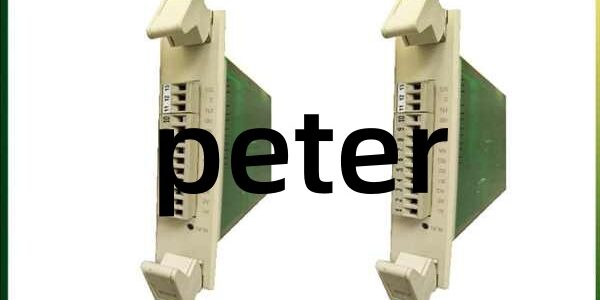
- Hardware Type: Single-slot RF522 master rack plug-in status collector PCB, front multi-pin fault input terminal block, dual isolated signal transformers, front status LED array
- Key Feature: Dedicated rack health monitoring hardware that aggregates PSU, cooling fan, backplane and module fault signals into unified status registers for the PM511 master CPU
- Primary Field Use: Capture discrete rack diagnostic signals from SR511 power supplies, chassis fans and I/O modules, centralize fault reporting for HMI alarm display and predictive maintenance logging
Hard-Numbers: Technical Specifications
- Protocol Support: Proprietary S100 parallel backplane bus, no external fieldbus stack, only transfers aggregated rack health data to master CPU
- Port Count: Multi-channel discrete fault input terminal bank, rear 96-pin S100 backplane edge connector
- Baud/Data Rate: Matches native bus 1 Mbit/s synchronous scan cycle synchronized with PM511 CPU task timing
- Operating Temperature: -25°C to +60°C cabinet operational; -40°C to +85°C storage, non-condensing 5–95% RH
- Isolation Rating: 1500VAC galvanic isolation between external fault input wiring and backplane logic
- Power Draw: Max 3.2W total module load, fed 24VDC from RF522 master rack backplane rail
- Fault Input Type: Dry contact passive fault signals from rack power supply, fan assemblies and local I/O module alarm relays
- Diagnostic Storage: Onboard 128-word buffer stores sequential fault event timestamps synchronized to CPU real-time clock
- Physical Weight: 0.29 kg, standard single slot Eurocard dimensions, IP20 cabinet-only mounting
- Certifications: CE, UL/cUL, IEC 61010-1 industrial control safety compliance
The Real-World Problem It Solves
Without a dedicated collector, technicians wire every rack PSU and fan fault signal to general-purpose DSDI digital input cards. This burns dozens of DI channel points, cluttering I/O mapping tables and consuming CPU scan bandwidth for non-process critical rack health signals.Scattered fault contacts across multiple DI modules split rack diagnostic data; operators cannot view full chassis health in a single HMI screen, delaying troubleshooting when cooling fans or rack power supplies degrade.Unisolated fault wiring creates ground loop noise between rack hardware and DI boards; VFD interference triggers false rack fault alarms during unit startup sequences.Where you’ll typically find it:
- Combined cycle power plant RF522 master turbine control racks paired with PM511V16 CPU, SR511 PSU and triple rack cooling fans
- Refinery central Advant OCS DCS main chassis monitoring ESD cabinet power and ventilation fault signals
- Pulp mill recovery boiler master control racks tracking rack power supply overload and fan stall diagnostic contactsThis rack-mounted status collector consolidates all chassis health fault signals onto one dedicated slot, isolates diagnostic wiring from control logic ground domains, and delivers unified rack health data without wasting standard process DI channels.
Hardware Architecture & Under-the-Hood Logic
This board integrates dedicated fault multiplexing and timestamp ASICs; no standalone process control CPU, only aggregates and time-stamps rack diagnostic contacts before sending data to the master PM511 CPU.
- 24VDC RF522 rack backplane power feeds internal EMI filters, isolated fault sensing power rails, event buffer memory and front-panel status LED drivers.
- Each external dry contact fault input passes discrete TVS surge suppression to block transient voltage spikes from long cabinet wiring harnesses.
- Galvanic isolation barrier separates rack hardware fault wiring ground and backplane logic ground to eliminate circulating ground loop induced false fault triggers.
- Onboard multiplexer sequentially scans all rack diagnostic input contacts, timestamps every state change using CPU synchronized clock signals, and stores events in local non-volatile buffer memory.
- Aggregated fault status and sequential event logs transfer cyclically over the backplane; PM511 CPU forwards consolidated rack health alarms to plant HMI and maintenance logging servers.
Field Service Pitfalls: What Rookies Get Wrong
Using Generic DSDI Digital Input Cards To Replace Rack Status Collector
Junior technicians repurpose spare DI boards to terminate rack fan and PSU fault contacts. This consumes high-value process DI channels, fragments rack diagnostic data, and eliminates centralized fault timestamp logging capability.
- Field Rule: Only install for dedicated rack health monitoring slots; never allocate standard process DI points to chassis ventilation or power supply fault signals.
Parallel Multiple Rack Fault Contacts On A Single Input Channel
Stacking fan stall and PSU overload contacts on one terminal creates ambiguous fault states. The module cannot distinguish which hardware component triggered the alarm, forcing full cabinet inspection during unplanned downtime.
- Quick Fix: Route one discrete rack hardware fault contact to one independent input channel to retain individual fault identification.
Hot-Swapping Module With RF522 Master Rack Energized
Inductive voltage transients from energized fault wiring harnesses surge back through the backplane during card extraction. This corrupts CPU I/O register data and can mask active rack power supply or fan failure alarms.
- Field Rule: Cut master rack 24VDC supply breaker and disconnect all front fault input terminal wiring before inserting or removing the status collector module.
Commercial Availability & Pricing Note
Please note: The listed price is for reference only and is not binding. Final pricing and terms are subject to negotiation based on current market conditions and availability.