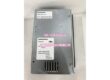
Component Snapshot At-a-Glance
- Model: GE (Original VMIC, later Abaco Systems VME-3122; high-speed 100kHz performance variant)
- Alt. P/N: VMIVME-4240 (32-channel low-density AI VME card); VMIVME-4140 (32-channel analog output board); VMIVME-7750 (VME single-board CPU)
- Product Series: GE VMIC / Abaco 6U VMEbus Rev.C.1 industrial high-speed analog acquisition module family, widely deployed on GE Mark V / Mark VI gas/steam turbine control & test bench systems
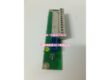
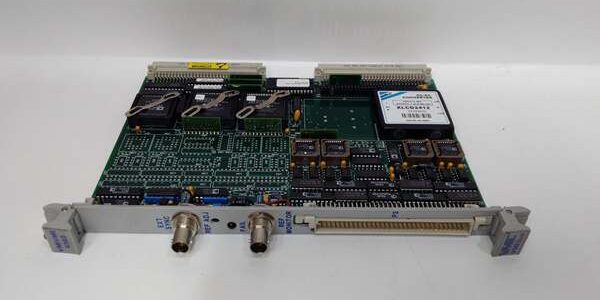
- Hardware Type: Standard 6U single-slot VME Eurocard PCB, rear P1/P2 VME backplane connectors, front P3/P4 dual 96/64-pin analog input terminal connectors, onboard ADC processing ASIC, dual-port data buffer memory, front power run LED indicator
- Key Feature: 64-channel configurable differential / single-ended analog inputs, 16-bit high-resolution ADC, max 100kHz aggregate scan rate, software per-channel programmable gain (×1 / ×10), jumper-selectable 5 voltage ranges, auto/single/random multi-scan modes, software/external/timer triple trigger modes, 1024-word dual-port FIFO buffer, multi-board synchronous external trigger, full input overvoltage protection
- Primary Field Use: Convert field voltage analog signals from pressure, temperature, flow, vibration, RTD/thermocouple transmitters to digital values for VME SBC CPU; high-speed real-time data acquisition for power plant turbine governor monitoring, engine test stands, pulp mill high-speed process monitoring, military embedded instrumentation racks running VxWorks RTOS
Hard-Numbers: Technical Specifications
- Protocol Support: VMEbus Rev.C.1 32-bit parallel backplane, no external fieldbus interface
- Port Count: 64 analog input channels (diff/single-ended configurable), rear P1/P2 VME system connector, front P3/P4 analog field terminals, P2 external sync trigger pin header
- Max Conversion Rate: High-performance version 100kSPS total aggregate; standard version 50kSPS
- Scan Modes: Autoscan continuous loop, single triggered scan, random single-channel polling, timed burst, remote external synchronized burst
- Trigger Modes: Software register trigger, external hardware edge trigger, onboard programmable interval timer trigger
- Operating Temperature: 0°C ~ +65°C cabinet operational; -40°C ~ +85°C storage; forced air cooling mandatory at full 100kHz load
- Isolation Rating: No channel-to-backplane galvanic isolation; each analog input with ±25V continuous transient overvoltage TVS protection
- Power Draw: Max 7A @ +5V VME backplane rail; ±12V auxiliary analog power supply from VME rack
- ADC Resolution: 16-bit unipolar/bipolar conversion
- Software Programmable Gain: Per-channel independent ×1 or ×10 gain setting
- Jumper Selectable Voltage Input Ranges:Unipolar: 0~5V / 0~10VBipolar: ±2.5V / ±5V / ±10V
- Data Buffer: 1024-word dual-port shared memory (16-word depth × 64 channel storage)
- Synchronization: External trigger input for simultaneous multi-VME-board sampling (up to 16 boards synchronized)
- EMC Compliance: CE Class A industrial EMI, MIL-STD-810 shock/vibration rated for turbine cabinet environments
- PCB Treatment: Conformal coated anti-humidity PCB for power station, shipboard rugged embedded control racks
- MTBF: 135,900 hours at 217°F operating temperature
- Physical Weight: 0.78kg standard 6U single slot form factor
The Real-World Problem It Solves
Low-density 32-channel AI VME cards consume double rack slots for multi-sensor turbine monitoring systems, adding extra vibration-prone wiring terminals in high-temperature turbine cabinets.Multiplexed low-speed ADC boards suffer channel crosstalk and slow sampling lag; high-speed parallel scanning delivers sub-millisecond fast response critical for vibration and dynamic steam pressure real-time monitoring.Fixed single-gain analog boards require external signal amplifiers for low-mV thermocouple signals; independent per-channel ×1/×10 programmable gain eliminates external signal conditioning hardware.Dual-port onboard buffer offloads continuous data storage from the host VME CPU, reducing main processor load during high-speed continuous sampling. External hardware trigger enables precise synchronous multi-board data capture for engine test bench vibration comparison testing.Where you’ll typically find it:
- Combined cycle & fossil power plant GE Mark V/VI turbine VME control racks for vibration, exhaust temperature, steam pressure sensor high-speed acquisition
- Military aerospace gas turbine engine test stand VME instrumentation racks
- Nuclear plant auxiliary boiler real-time analog monitoring systems
- Pulp & paper legacy VMIC VME DCS high-speed pulp flow & dryer temperature acquisition racksThis high-density 64-channel 16-bit high-speed analog input board consolidates multi-sensor signal acquisition in one VME slot, delivers flexible per-channel gain configuration, multi-mode synchronous scanning, and onboard data buffering to reduce host CPU burden for critical fast-response industrial control & test systems.
Hardware Architecture & Under-the-Hood Logic
This module carries a dedicated ADC scan control ASIC managing channel multiplexing, gain switching, timing, buffer storage and VME interrupt generation; all data processing logic is hardware offloaded, only final digital readings read by the host VME single-board CPU over the VME backplane.
- VME backplane P1 connector pulls +5V/±12V power rails to power analog multiplexer banks, 16-bit ADC chip, dual-port RAM buffer, scan timing ASIC and front panel status LED circuit.
- Each analog input channel feeds independent TVS overvoltage suppression circuit to block transient spikes from field sensor cables, preventing front-end analog chip damage.
- Software-controlled multiplexer bank selects active channels, applies per-channel ×1/×10 programmable gain before feeding to the high-speed 16-bit ADC converter.
- Onboard timing timer generates fixed sampling intervals; external P2 trigger input synchronizes conversion timing across multiple boards in the same VME chassis.
- Converted 16-bit digital values are immediately stored to 1024-word dual-port buffer memory; VME CPU can read buffered data at any time without halting active scanning.
- Three configurable scan modes let operators select continuous background monitoring, single-shot triggered logging, or random single-channel spot checks without reconfiguring full channel lists.
- Front panel single LED indicates board power & active scan status for quick field troubleshooting without VME workstation diagnostic software.
Field Service Pitfalls: What Rookies Get Wrong
Swapping Low-Density VMIVME-4240 32CH AI Cards In Place Of
New technicians substitute 32-channel analog input spares without matching full part number. Half of the required sensor acquisition channels are missing; VME CPU I/O mapping faults disable critical turbine vibration and temperature monitoring loops.Field Rule: Only deploy for 64-channel high-speed analog acquisition rack slots; store 32-channel VMIVME-4240 spares in separate labeled storage bins for small auxiliary monitoring systems.
Hot-Swapping Module While VME Chassis Power Remains Energized
Junior crews extract the board with rack power active. Hot removal generates backplane voltage transients that corrupt turbine control CPU memory and trigger full unit load rejection trips.Quick Fix: Fully shut down VME chassis main breaker, wait 30 seconds for power rail discharge before inserting or removing the analog input module.
Mixing High-Voltage Unconditioned Sensor Signals Directly To Input Terminals
Field crews feed unisolated >10V raw actuator voltage signals into analog input channels. Exceeding jumper-selected voltage range causes permanent front-end analog multiplexer burnout and channel lockout.Field Rule: Match jumper voltage range to maximum sensor output; signals exceeding ±10V require external isolated signal dividers before connecting to analog terminals.
Disabling Forced Cabinet Cooling At Full 100kHz Scan Rate
Maintenance staff turn off rack cooling fans during inspection. High-speed ADC operation generates excess heat without forced airflow, triggering thermal shutdown and loss of all analog data acquisition.Field Rule: Maintain continuous forced air cooling when running the board at maximum 100kHz aggregate scan speed; reduce scan rate to 50kHz if cooling airflow is limited.
Commercial Availability & Pricing Note
Please note: The listed price is for reference only and is not binding. Final pricing and terms are subject to negotiation based on current market conditions and availability.