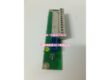
Component Snapshot At-a-Glance
- Model: MFAC34N1AA0001A
- Alt. P/N: MFAC34B1AA0001A (medium-burden coil variant, higher DC draw); MFAC14 (single-zone 2–4 leg compact differential); MCAG34 (circulating current balanced differential, different summation logic)
- Product Series: MFAC Midos static high impedance differential protection relay family, shared rack base footprint with MCGG/MVAJ/MCTI/MVTU relays
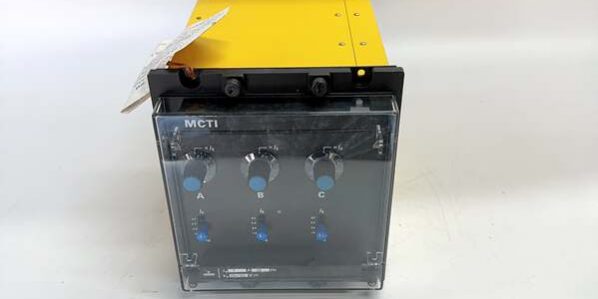
- Hardware Type: Full withdrawable plug-in static multi-infeed high impedance differential relay, yellow aluminum industrial Midos chassis, front stabilising voltage rotary adjustment dial
- Key Feature: N-series low-burden 110/125VDC auxiliary coil, multi-leg CT summation circuit for multi-infeed busbars, wide adjustable stabilising voltage for CT saturation stability, integrated Metrosil surge suppression
- Primary Field Use: Multi-infeed busbar differential, transformer restricted earth fault (REF), generator stator internal fault protection; reliably distinguish internal zone faults from heavy external through-fault CT saturation conditions
Hard-Numbers: Technical Specifications
- Protocol Support: Static analog sampling hardware, optional rear RS485 IEC 60870-5-103 bus; dry volt-free zone trip + fault alarm changeover contacts
- Port Count: Multi-set differential CT summation input terminals, DC auxiliary coil supply terminals, dedicated main trip and remote SCADA fault alarm terminal blocks
- Baud/Data Rate: RS485 max 9600bps; core differential protection logic operates fully independent of communication link health
- Operating Temperature: -10°C to +55°C cabinet operational; -40°C to +85°C storage
- Isolation Rating: 2000Vrms dielectric withstand between CT summation measurement circuits and trip contact wiring
- Power Draw: Low-burden N coil, minimal 110/125VDC station battery load on densely packed multi-relay protection panels
- CT Secondary Rating: 1A nominal CT input per feeder leg
- Auxiliary DC Supply: 48–125 VDC wide-range station control battery, stable operation at 70%–120% rated voltage
- Stabilising Voltage Adjustment Band: 20V to 200V continuous front dial adjustment, matched to CT kneepoint voltage calculations
- Operate Response Time: ≤12ms full trip contact closure on confirmed internal zone fault
- Reset Characteristic: Fast auto-reset once differential voltage drops below stabilising threshold post fault clearance
- Internal Surge Protection: Built-in Metrosil non-linear varistor to absorb CT saturation induced overvoltage spikes
- Contact Continuous Rating: 5A @300VDC resistive load; 40W DC inductive breaking capacity for breaker trip coils
- Physical Weight: 4.6kg fully assembled draw-out unit
The Real-World Problem It Solves
Compact MFAC14 differential relays only support limited CT feeder legs, cannot handle multi-infeed primary busbar schemes with 5+ incoming/outgoing feeders. External summation CT banks add extra rack slots and wiring splices that vibrate open over years of plant thermal cycling.Standard low-impedance differential relays demand perfectly matched CT ratios; minor manufacturing mismatch generates permanent standing differential voltage and constant nuisance bus trips.High-burden MFAC34B coils draw heavy continuous DC load during simultaneous multi-feeder through-fault events; station battery voltage sags severely, differential trip logic fails to actuate during critical transformer/generator internal winding faults.External stabilising resistors and surge varistors require separate panel mounting, drift calibration with cabinet heat, and introduce additional fault points in high-value bus protection schemes.Where you’ll typically find it:
- Fossil power plant multi-infeed generator main busbar differential protection panels
- Refinery primary MV switchgear multi-feeder bus zone fault detection & REF schemes
- Urban distribution primary substation large transformer restricted earth fault protection cabinetsThis single draw-out multi-leg high impedance differential relay eliminates external summation CTs and stabilising resistors, delivers inherent immunity to CT saturation during heavy external faults, and minimises DC panel loading during mass concurrent fault events.
Hardware Architecture & Under-the-Hood Logic
This unit uses multi-channel isolated CT summation front-end paired with fixed-function static high impedance voltage comparison logic, no user programmable microprocessor code. It shares standardized Midos rack mechanical design with all ALSTOM Midos protection hardware for unified cabinet layout.
- Multiple incoming/outgoing feeder CT secondary currents feed passive summation circuitry to generate differential voltage proportional to mismatch between zone inflow and outflow currents.
- High impedance measurement circuit compares differential voltage against front dial stabilising threshold; external through-fault CT saturation only produces low differential voltage and will not trigger trip logic.
- Internal Metrosil varistor clamps extreme overvoltage spikes generated by fully saturated CTs during maximum short-circuit through-faults, protecting internal PCB sampling circuits from breakdown.
- Low-wattage N-series coil winding limits total DC load draw on station battery, preventing uneven voltage sag across fully populated multi-relay bus protection panels during concurrent multi-circuit fault events.
- Front panel multi-color LED indicators display healthy auxiliary supply, differential fault active status, and zone trip latched state for rapid on-site visual diagnostics without DCS workstation access.
- Rear Midos rack terminal base integrates factory CT short-circuit jumpers; full chassis withdrawal possible without disconnecting CT secondary wiring to eliminate lethal open CT kilovolt surge hazards during maintenance outages.
Field Service Pitfalls: What Rookies Get Wrong
Swapping MFAC34B Medium-Burden Coil Variant For MFAC34N Low-Burden Unit
New technicians install MFAC34B spare stock without matching model suffix. During multi-feeder simultaneous through-fault events, total DC load spikes and station battery voltage collapses; medium-burden coils dropout prematurely, internal bus/transformer winding faults go entirely undetected.Field Rule: MFAC34N low-burden variant mandatory for dense multi-infeed bus differential protection panels; segregate N and B coil MFAC34 spares in clearly labeled locked storage bins.
Misadjusting Stabilising Voltage Without Cross-Checking CT Kneepoint Calculations
Apprentices randomly turn the front stabilising dial during spare replacement without referencing CT kneepoint voltage design sheets. Setting too low triggers catastrophic nuisance bus trips during heavy external through-faults; setting excessively high desensitises protection and fails to clear minor internal winding faults.Field Rule: Record stabilising voltage setting on the relay door label after every adjustment; cross-verify against bus differential protection coordination drawing and CT kneepoint data before returning the relay online.
Skipping CT Short Jumper Installation Before Withdrawing Draw-out Relay
Maintenance crews pull relay chassis straight out without shorting CT terminals on the rack base. Open CT secondary windings generate kilovolt surge that damages upstream MCGG overcurrent relay sampling boards and creates cabinet electric shock hazard for field technicians.Quick Fix: Always install factory CT short-circuit jumpers on the Midos base terminal strip before removing any draw-out MFAC differential relay unit.
Deploying MFAC34 On Single-Feeder Two-Leg Differential Schemes
Techs use multi-leg MFAC34 for simple two-winding transformer differential jobs suited to compact MFAC14. Unused summation CT terminals create stray standing differential current, triggering random unplanned transformer trips during normal load swings.Field Rule: MFAC34 dedicated exclusively to multi-infeed (5+ leg) busbar differential schemes; select MFAC14 for standard two-winding transformer / small generator differential applications.
Commercial Availability & Pricing Note
Please note: The listed price is for reference only and is not binding. Final pricing and terms are subject to negotiation based on current market conditions and availability.