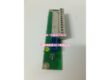
Component Snapshot At-a-Glance
- Model: MVTT14B1BA0773C
- Alt. P/N: MVTT14D1BA0773C (low-burden DC coil variant, different current draw); MCGG series (overcurrent only, no RTD thermal measurement)
- Product Series: MVTT Midos static thermal protection relay family, unified rack base with MCGG/MVAJ/MVAX relays
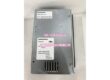
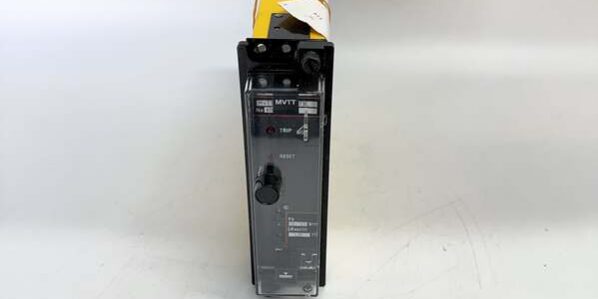
- Hardware Type: Full withdrawable plug-in static RTD temperature relay, yellow aluminum chassis, front rotary temperature adjustment dial
- Key Feature: B-series medium burden 110/125VDC auxiliary coil, PT100 RTD direct input, adjustable temperature trip threshold with fixed time delay
- Primary Field Use: Monitor motor/transformer winding PT100 RTD signals to trigger overheat alarm and breaker trip before insulation degradation.
Hard-Numbers: Technical Specifications
- Protocol Support: Static analog measurement hardware, no digital bus communication; dry volt-free alarm/trip changeover contacts
- Port Count: Dual PT100 RTD input terminals, DC auxiliary coil supply terminals, separate alarm and trip contact terminal sets
- Baud/Data Rate: No serial data transmission
- Operating Temperature: -10°C to +55°C cabinet operational; -40°C to +85°C storage
- Isolation Rating: 2000Vrms dielectric withstand between RTD measurement circuits and trip contact wiring
- Power Draw: Medium burden B coil, balanced DC load for densely packed multi-relay panels
- Auxiliary DC Supply: 110/125 VDC station control battery
- RTD Compatibility: 2-wire / 3-wire PT100 platinum temperature sensors
- Temperature Adjustment Range: 60°C – 160°C via front rotary dial
- Definite Trip Delay Window: 0.5s to 12s delay to block transient temperature spikes
- Contact Continuous Rating: 5A @300VDC resistive load; 40W DC inductive breaking capacity
- Physical Weight: 0.44kg fully assembled draw-out unit
The Real-World Problem It Solves
Standard overcurrent relays only detect current overloads. They cannot track slow winding heat buildup from unbalanced phase current or blocked motor cooling fans, which burns insulation long before overcurrent thresholds activate.External RTD transmitters plus standalone timing relays take two rack slots and require regular calibration; vibration and cabinet heat drift dial settings every 6–12 months.Low-burden MVTT14D coils create uneven DC bus loading across packed protection panels. Multiple simultaneous equipment faults cause localized voltage sag and intermittent relay dropout.Where you’ll typically find it:
- Fossil power plant boiler fan, feed pump auxiliary motor thermal protection panels
- Refinery MV compressor and process pump MCC winding overheat trip schemes
- Transformer secondary control cabinets for winding and oil temperature monitoringThis single draw-out unit integrates RTD sensing, adjustable temperature threshold and time delay to eliminate external transmitters and stabilize DC panel load during mass fault events.
Hardware Architecture & Under-the-Hood Logic
This unit uses isolated RTD signal conditioning front-end and fixed-function static logic, no programmable microprocessor code. It shares Midos mechanical rack design with all ALSTHOM Midos protection hardware for consistent cabinet layout.
- PT100 RTD resistance signal feeds filtered isolated conditioning circuitry, suppresses VFD and breaker switching EMI noise from field wiring.
- Onboard resistance-to-temperature conversion circuit continuously samples RTD value, compares reading against front dial temperature setpoint.
- Internal fixed timer starts once measured temperature exceeds threshold; timer completion switches contact state to avoid nuisance alarms from momentary heat spikes.
- Medium-wattage B coil balances total DC battery draw, prevents uneven voltage sag across multi-relay panels during concurrent fault events.
- Front panel LEDs display healthy auxiliary supply, temperature pre-alarm active, and thermal trip latched status for quick on-site visual diagnostics.
- Rear Midos rack terminal base pre-fitted with CT short-circuit jumpers; full chassis withdrawal without disconnecting CT secondary wiring to eliminate lethal open CT high voltage hazards.
Field Service Pitfalls: What Rookies Get Wrong
Swapping MVTT14D Low-Burden Coil Variant For MVTT14B Medium-Burden Unit
New technicians install MVTT14D spare without matching suffix. During multi-equipment simultaneous faults, uneven DC load creates localized bus sag; low-burden coils dropout prematurely, overheated motors run unprotected until winding failure.Field Rule: MVTT14B medium-burden variant required for dense multi-relay protection panels; separate B and D coil MVTT14 spares in labeled storage bins.
Skipping CT Short Jumper Installation Before Withdrawing Draw-out Relay
Apprentices pull relay chassis without shorting CT terminals on the rack base. Open CT secondary generates kilovolt surge, damaging upstream MCGG overcurrent relay sampling boards and creating cabinet electric shock risk.Quick Fix: Always install factory CT short-circuit jumpers on the Midos base terminal strip before removing any draw-out protection relay unit.
Misadjusting Temperature Trip Setpoint Without Cross-Checking Motor Data Sheets
Maintenance crews randomly turn the front dial during spare replacement without referencing motor winding temperature ratings. Overly low setpoints trigger constant nuisance trips during normal full-load operation; overly high setpoints fail to catch dangerous overheating conditions.Field Rule: Record trip temperature value and delay time on the relay door label after every setting change; cross-verify against motor nameplate thermal limits before returning the relay online.
Commercial Availability & Pricing Note
Please note: The listed price is for reference only and is not binding. Final pricing and terms are subject to negotiation based on current market conditions and availability.