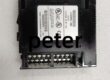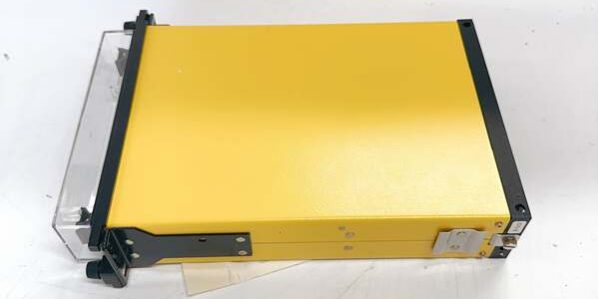
Component Snapshot At-a-Glance
- Model: MVAX12B1DA0753A
- Alt. P/N: MVAX12D1DA0753A (low-burden coil variant, different winding draw); MVAX21/MVAX31 (full trip loop supervision, incompatible wiring logic)
- Product Series: MVAX Midos draw-out supervision relay family, cross-compatible with MCGG/MVAJ protection rack bases
- Hardware Type: Electromechanical plug-in trip supply monitoring relay, yellow aluminum withdrawable chassis
- Key Feature: B-series medium burden 110/125VDC coil, only monitors trip DC bus voltage with integrated RC drop-off delay
- Primary Field Use: Detect trip DC bus undervoltage or full supply loss and trigger local/SCADA alarm signals.
Hard-Numbers: Technical Specifications
- Protocol Support: Electromechanical only, no digital communication; dry volt-free alarm contacts
- Port Count: Single coil DC input terminals, one set of C/O alarm contact terminals
- Baud/Data Rate: No serial bus operation
- Operating Temperature: -10°C to +55°C cabinet operational; -40°C to +85°C storage
- Isolation Rating: 2000Vrms dielectric withstand between coil circuit and alarm contact wiring
- Power Draw: Medium burden coil, steady draw under multi-relay panel loading
- Nominal Coil Voltage: 110/125 VDC station control battery
- Undervoltage Trip Threshold: 80% rated nominal DC voltage
- Anti-Nuisance Delay Window: 350ms to 800ms fixed RC time constant
- Max Allowed Trip Bus Fluctuation: 80% to 120% rated voltage for stable operation
- Contact Continuous Rating: 5A @300VDC resistive load
- Physical Weight: 0.38kg fully assembled unit
The Real-World Problem It Solves
Standard overcurrent protection relays cannot detect a dead trip DC bus. A blown trip supply fuse or failed station battery leaves breakers unable to trip during short-circuit faults, leading to equipment burn and extended plant outages.Full-loop supervision relays like MVAX31 take twice the rack width and carry unnecessary cost for feeders that do not require trip coil continuity checks.Where you’ll typically find it:
- Non-critical distribution MV feeder switchgear in refinery utility substations
- Power plant station service auxiliary breaker protection panels
- Land-based distribution ring main unit secondary control cabinetsThis relay delivers low-cost trip supply fault detection without extra rack footprint for low-risk feeder circuits.
Hardware Architecture & Under-the-Hood Logic
This unit uses a single hinged armature electromagnetic coil, no onboard microprocessor or signal sampling ICs. It only measures raw DC bus voltage feeding the breaker trip circuit, with no path to sense trip coil or field wiring integrity.
- Trip DC supply bus voltage feeds directly to the internal monitoring coil; voltage above 80% nominal holds the armature pulled in, alarm contacts stay in normal state.
- If bus voltage drops below 80% rating or fully de-energizes, the armature releases after the fixed RC delay to block transient sag false alarms.
- Silver alloy contact stack flips state to close fault alarm circuits for panel lamps and remote SCADA discrete inputs.
- Midos rack rear terminals include factory CT shorting jumpers for safe relay removal without opening CT secondary loops.
- Front panel dual LEDs display healthy trip bus (green) and supply fault alarm (red) for on-site visual troubleshooting.
Field Service Pitfalls: What Rookies Get Wrong
Swapping MVAX31 Full-Loop Relay In Place Of MVAX12
New techs grab MVAX31 spare stock without checking panel drawings. MVAX31 requires extra trip coil wiring and occupies double rack slot width, creating cramped cabinet routing and wasted spare inventory.Field Rule: Restrict MVAX12 to circuits that only need trip bus voltage monitoring; reserve MVAX31 for generator, transformer, and critical process feeders requiring full trip loop continuity checks.
Skipping CT Short Jumper Installation Before Withdrawing Relay
Apprentices pull the chassis straight out without shorting CT terminals on the rack base. Open CT secondary windings generate lethal kilovolt surge that damages upstream MCGG overcurrent relay sampling boards.Quick Fix: Always install factory CT shorting links on the Midos base terminal strip before removing any draw-out relay unit.
Bypassing Internal RC Delay To Eliminate Transient Alarms
Maintenance crews hardwire around the built-in RC delay to speed fault indication. DC bus voltage sags during short-circuit faults trigger hundreds of nuisance trip supply alarms that mask real equipment failure alerts in SCADA.Field Rule: Leave factory RC delay circuit intact; if frequent false alarms persist, audit trip bus cable resistance and DC battery charger output regulation.
Commercial Availability & Pricing Note
Please note: The listed price is for reference only and is not binding. Final pricing and terms are subject to negotiation based on current market conditions and availability.