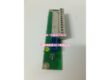
Component Snapshot At-a-Glance
- Model: MCGG22D1CB0753C
- Manufacturer: GEC ALSTHOM (later AREVA, GE Vernova Grid)
- Alt P/N: MCGG52H1CB0753C (2-phase + earth fault + high-set, incompatible protection logic); MCGG22H (with high-set instantaneous element); MCGG42 (two-phase variant)
- Product Series: MCGG Midos static numerical protection relay family, draw-out substation rack form factor
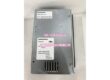
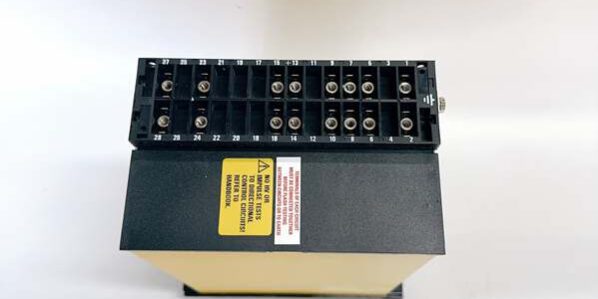
- Hardware Type: Draw-out plug-in single-phase static overcurrent relay, transparent front inspection cover, yellow aluminum chassis
- Key Feature: Single-phase IDMT time-delayed overcurrent element, selectable BS/IEC inverse curves, DIP switch calibrated settings, Midos rack built-in CT short-circuit safety terminals; no dedicated earth fault measurement circuit
- Primary Field Use: Single-phase overload & short-circuit backup protection for small MV feeders, auxiliary transformer windings, single-phase loads, low-power motor auxiliary circuits in power plants and petrochemical substations.
Hard-Numbers: Technical Specifications
- Protocol Support: No native digital communication; dry volt-free trip/alarm changeover contacts for breaker control & SCADA fault indication
- CT Secondary Rating: Standard 1A CT secondary input (suffix C defines 1A CT grade)
- Frequency Compatibility: 50 / 60Hz universal grid support
- Auxiliary DC Supply: Wide range 48–125VDC station control battery
- Operating Temperature: -10°C ~ +55°C cabinet operational; -40°C ~ +85°C storage
- Dielectric Isolation: 2000Vrms withstand between CT current circuits and trip output contacts
- Pickup Current Range: 0.05×In ~ 2.4×In, 0.05×In fine step adjustment via front DIP switches
- Time Multiplier (TMS): 0.05 ~ 1.0 continuous adjustable for IDMT coordination delay
- Curve Selection: 4 standard inverse time curves (SI Standard Inverse / VI Very Inverse / EI Extremely Inverse / LTI Long Time Inverse) + 3 definite time modes per BS142 / IEC 60255
- Instantaneous Element (D suffix): No high-set instantaneous fault stage; only time-delayed IDMT trip (distinction vs MCGG22H)
- Fault Reset Characteristic: High reset ratio, fast automatic reset post fault clearance
- Output Contact Configuration: Independent time-delayed trip contact + fault alarm contact, heavy-duty silver alloy contact tips
- Mechanical Design: Full withdrawable Midos chassis, rear rack integrated CT shorting links for safe maintenance removal
- Physical Weight: ~4.8kg complete relay unit
- Certifications: IEC 60255 power protection standard, CE Class B EMC for high EMI substation environments
The Real-World Problem It Solves
Three-phase MCGG52/62 series relays waste rack space and redundant CT wiring for single-phase auxiliary loads; compact MCGG22D is purpose-built for single-circuit protection with minimal cabinet footprint.Electromechanical induction disc relays suffer calibration drift from vibration and temperature; static microprocessor MCGG22D maintains stable trip curves for multi-year maintenance cycles without frequent recalibration.Separate definite-time auxiliary relays add extra wiring splices and calibration points; MCGG22D integrates all IDMT curve coordination functions into one draw-out unit.Units without CT short-circuit terminals create lethal open CT voltage hazards during relay replacement; Midos rack base eliminates this risk with factory fitted shorting links.Critical Limitation: MCGG22D has no residual earth fault input; cannot detect winding ground faults on transformers/motors, only single-phase overcurrent overloads and short circuits.Where you’ll typically find it:
- Fossil power plant single-phase station service auxiliary transformer secondary protection
- Refinery small single-phase MV feeder backup protection for lighting & utility loads
- Distribution substation low-capacity single-phase distribution transformer overcurrent protection
- Motor control center single-phase heater & auxiliary pump overload monitoring
This dedicated single-phase IDMT relay optimizes cost and rack space for simple single-circuit protection schemes, delivers stable coordinated tripping per grid BS/IEC standards, and eliminates dangerous open CT risks during maintenance.
Hardware Architecture & Under-the-Hood Logic
Static analog front-end + fixed function microprocessor measurement platform, no user programmable logic, fully draw-out Midos construction.
- Single-phase CT 1A secondary current enters isolated analog sampling circuit, filtered to suppress substation VFD & breaker EMI noise.
- Onboard ADC continuously samples RMS current values, compares measured magnitude against DIP-switch set pickup threshold.
- Selected IDMT curve algorithm calculates trip delay proportional to fault magnitude; higher overcurrent = shorter trip time.
- No independent instantaneous high-set element; all fault clearing relies fully on time-delayed inverse curve timing (D variant core difference vs H variant).
- Front panel LED indicators: Healthy Supply, Time Delay Trip Active, Fault Trip Latched, Relay Operational Status.
- Rear Midos rack terminal base integrates CT short-circuit jumpers; relay can be fully withdrawn without disconnecting CT secondary wiring.
- Heavy-duty isolated trip relay outputs energize circuit breaker trip coil and remote plant DCS/SCADA fault alarm signals.
Field Service Pitfalls: What Rookies Get Wrong
Substituting MCGG52H (2-phase + EF + high-set) For MCGG22D Single-Phase Unit
New technicians install MCGG52H spare to cut inventory cost. MCGG52H requires two CT phase inputs and earth fault wiring; single CT circuit connection creates unbalanced measurement, miscoordinates feeder protection and fails single-phase overload detection.Field Rule: MCGG22D only for single CT single-phase load schemes; segregate single-phase MCGG22 and multi-phase MCGG52/62 relay spares in labeled storage bins.
Mixing MCGG22H (With Instantaneous High-Set) For Short-Circuit Critical Feeders
Maintenance crews deploy D variant (no high-set) on circuits prone to bolted short faults. Severe short-circuit faults clear slowly via long IDMT delay; large through-fault current damages transformer winding insulation.Field Rule: Use MCGG22H (high-set instantaneous) for feeders with high short-circuit risk; only for low-fault single-phase auxiliary loads with no fast trip requirement.
Forgetting CT Shorting Jumpers Before Withdrawing Draw-out Relay
Apprentices pull relay chassis without installing rack CT short links. Open CT secondary generates kilovolt lethal surge, damaging relay sampling hardware and creating cabinet electric shock hazard.Quick Fix: Always fit factory CT short-circuit jumpers to rack terminal block before removing any Midos draw-out protection relay.
Incorrect DIP Switch Curve & TMS Settings Without Coordination Drawing Reference
Techs randomly adjust curve switches during spare replacement without cross-checking substation coordination documentation. Curve mismatch breaks protection selectivity; upstream and downstream breakers trip simultaneously during single-phase faults, causing wide plant power loss.Field Rule: Record pickup current, TMS multiplier and curve type on relay door label after every setting change; cross-verify coordination curve sheet before returning relay online.
Commercial Availability & Pricing Note
Please note: The listed price is for reference only and is not binding. Final pricing and terms are subject to negotiation based on market stock, equipment condition (new/refurbished) and order quantity.