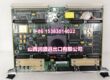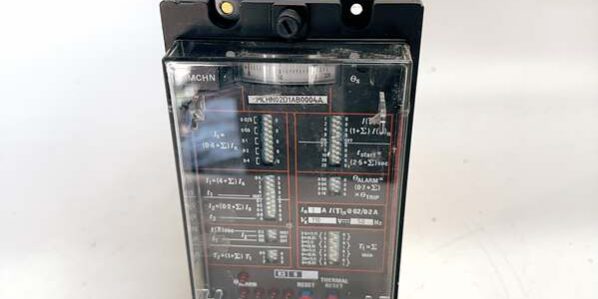
Component Snapshot At-a-Glance
- Model: MCHN02D1AB0004A
- Manufacturer: GEC ALSTHOM (later AREVA Grid, now GE Vernova Grid)
- Alt P/N: MCHN02H1AB0005A (High-burden coil variant, incompatible DC coil impedance); MCGG series (overcurrent only, no undercurrent low-load logic)
- Product Series: MCHN Midos static numerical protection relay family, draw-out substation rack form factor, matches MCGG/MVAJ rack base hardware
- Hardware Type: Full withdrawable plug-in static undercurrent/low-load protection relay, transparent front inspection cover, yellow aluminum industrial chassis
- Key Feature: D-series low-burden 110/125VDC coil, adjustable undercurrent pickup & definite time delay, CT residual current measurement, Midos rack integrated CT short-circuit safety terminals, self-reset fault logic
- Primary Field Use: Detect low-load / undercurrent operating conditions; prevent pump dry-running, generator reverse power/slip, motor no-load stall, auxiliary transformer light-load abnormal operation in power plants, refinery MV substations.
Hard-Numbers: Technical Specifications
- Protocol Support: No native digital bus communication; dry volt-free changeover trip/alarm contacts for breaker control & SCADA fault indication
- CT Secondary Rating: Standard 1A CT secondary current input
- Frequency Compatibility: 50/60Hz universal grid support
- Auxiliary DC Supply: 110/125VDC station control battery (D suffix = low-burden coil design)
- Operating Temperature: -10°C ~ +55°C cabinet operational; -40°C ~ +85°C storage
- Dielectric Isolation: 2000Vrms withstand between CT measurement circuits and trip output contact wiring
- Undercurrent Pickup Range: 0.05×In ~ 0.8×In continuously adjustable via front DIP switches
- Definite Time Delay: 0.1s ~ 10s fixed time trip delay for low-load condition
- Coil Burden (D variant): Low wattage winding, stable reliable pickup at 50% nominal DC voltage during station battery sag
- Contact Configuration: Independent low-load alarm contact + time-delayed trip contact, heavy-duty silver alloy arc-resistant contact tips
- Mechanical Safety Design: Midos rack base built-in CT short-circuit jumpers; full chassis withdrawal without CT open-circuit hazard
- Physical Weight: ~4.3kg complete relay unit
- Certifications: IEC 60255 power protection standard, CE Class B EMC for high EMI substation environments
The Real-World Problem It Solves
Standard MCGG overcurrent relays only detect overload/short faults; they cannot identify dangerous low-load undercurrent states. Centrifugal pumps running dry suffer rapid seal & impeller damage, while generators operating at ultra-low load risk unstable excitation and reverse power trip failures without dedicated MCHN02 monitoring.Separate discrete time-delay auxiliary relays add extra rack slots, CT wiring splices and annual calibration overhead; MCHN02D integrates adjustable pickup + time delay logic into a single draw-out unit.High-burden MCHN02H coils draw heavy DC current during multi-feeder simultaneous faults; station battery voltage collapses, protection trip commands fail to actuate breakers. MCHN02D low-burden winding minimizes DC load draw to avoid voltage sag failure.Generic non-drawout relays require full CT wiring disconnection during spare replacement, creating lethal kilovolt open CT surge hazards; Midos rack base factory shorting links eliminate this safety risk.Where you’ll typically find it:
- Fossil power plant generator auxiliary protection (anti-slip / low active power monitoring)
- Refinery petrochemical MV pump/compressor MCC dry-run low-load protection
- Urban distribution substation small transformer light-load abnormal monitoring
- Offshore FPSO process pump critical low-flow undercurrent trip schemes
This dedicated static undercurrent relay eliminates external discrete timing relays, reliably detects dangerous low-load operating states for rotating machinery, and maintains stable operation under weak station DC battery fault conditions.
Hardware Architecture & Under-the-Hood Logic
Static analog sampling front-end + fixed-function microprocessor measurement platform, no user programmable logic, fully compatible with MCGG/MVAJ Midos rack infrastructure.
- Single/three-phase CT 1A secondary current enters isolated analog sampling circuit, filtered to suppress substation VFD and breaker switching EMI noise.
- Onboard ADC continuously samples RMS current values, compares measured magnitude against DIP-switch set undercurrent pickup threshold.
- Internal definite-time timer starts counting once current drops below pickup value; triggers contact switch after configured delay to avoid nuisance transient low-load alarms.
- D-series low-burden DC coil minimizes draw on station battery, prevents voltage collapse during concurrent multi-circuit fault events.
- Front panel LED indicators: Healthy Auxiliary Supply, Low-Load Condition Active, Time Delay Trip Latched, Relay Operational Status.
- Rear Midos rack terminal base integrates factory CT short-circuit jumpers; relay chassis can be fully withdrawn without disconnecting CT secondary wiring.
- Heavy-duty isolated trip relay outputs energize circuit breaker trip coil and remote plant DCS/SCADA low-load fault alarm signals.
Field Service Pitfalls: What Rookies Get Wrong
Substituting MCHN02H High-Burden Coil Variant For MCHN02D Low-Burden Unit
New technicians install MCHN02H spare relays to cut inventory cost. During simultaneous multi-feeder faults, station DC battery voltage sags severely; high-burden coil fails to pick up, breakers do not trip, leading to pump dry-run mechanical damage or generator instability.Field Rule: Match full part suffix MCHN02D1AB0004A low-burden coil for all dense multi-relay protection panels; segregate D low-burden / H high-burden MCHN spares in labeled storage bins.
Forgetting CT Shorting Jumpers Before Withdrawing Draw-out Relay
Apprentices pull relay chassis without installing rack CT short links. Open CT secondary generates lethal kilovolt surge, damaging upstream MCGG overcurrent relay sampling hardware and creating cabinet electric shock hazard.Quick Fix: Always fit factory CT short-circuit jumpers to rack terminal block before removing any Midos draw-out protection relay.
Incorrect DIP Switch Pickup & Time Delay Settings Without Site Coordination Drawings
Techs randomly adjust undercurrent threshold and delay during spare replacement without cross-checking equipment protection logic documents. Misconfigured pickup trips pumps unnecessarily during normal flow fluctuations, or fails to detect dangerous dry-run low-load conditions.Field Rule: Record undercurrent pickup current and trip time delay on relay door label after every setting change; cross-verify equipment protection scheme drawing before returning relay online.
Deploying MCHN02D Over MCGG Overcurrent Relay For Short-Circuit Protection
Maintenance crews misuse MCHN02 undercurrent relay for overload/short-circuit fault schemes. MCHN02 only monitors low current and cannot detect high-magnitude overcurrent faults, leaving transformers/motors unprotected against short-circuit damage.Field Rule: MCHN02 series exclusively for low-load/undercurrent monitoring; use MCGG22/52 series for all overcurrent, overload and short-circuit protection schemes.
Commercial Availability & Pricing Note
Please note: The listed price is for reference only and is not binding. Final pricing and terms are subject to negotiation based on market stock, equipment condition (new/refurbished) and order quantity.