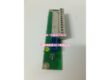
Component Snapshot At-a-Glance
- Model: MVAJ23B1AB0757B
- Manufacturer: GEC ALSTHOM (later AREVA, now GE Vernova Grid)
- Alt P/N: MVAJ23R1AB0505F (low burden coil variant, coil impedance incompatible); MVAJ10 series (smaller contact count, cannot substitute multi-interlock schemes)
- Product Series: MVAJ 20-series hinged armature trip/auxiliary relay, Midos draw-out rack form factor
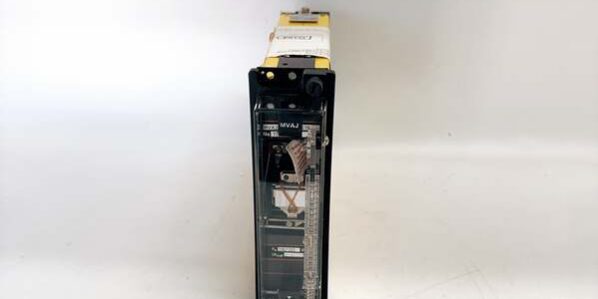
- Hardware Type: Draw-out plug-in mechanical tripping lockout relay, yellow molded industrial chassis, transparent front cover
- Key Feature: High burden DC trip coil, hand-reset mechanical trip flag, multi-pole volt-free changeover contacts, ultra-fast <20ms operate time, low CT burden for protection logic intertripping
- Primary Field Use: Interface between numerical protection relays (e.g. MCGG52 series) and medium voltage circuit breaker trip coils; implement lockout, intertrip, fault latching, multi-circuit alarm signaling in power plant / refinery substation protection panels.
Hard-Numbers: Technical Specifications
- Protocol Support: Pure electromechanical device, no digital communication; dry volt-free contact outputs only
- Coil Nominal Rating: 110/125 VDC standard DC control supply (suffix B defines coil burden & voltage grade)
- Operating Speed: Total operate time ≤20ms upon coil energization
- Reset Type: Mechanical hand-reset trip flag; contacts remain latched until manual front-panel reset
- Contact Configuration: Multiple C/O changeover contact sets (2NO+2NC standard for MVAJ23 variant)
- Contact Ratings (Resistive):
- Continuous carry: 5A @250VAC / 300VDC
- 3-second fault make/carry: 30A peak, 7500VA AC / 7500W DC
- Breaking capacity: 5A AC / 40W inductive DC
- Coil Burden: High-burden design, stable operation even with weak substation DC battery voltage down to 65% nominal
- Operating Temperature: -10°C ~ +55°C cabinet operational; -40°C ~ +85°C storage
- Dielectric Isolation: 2000Vrms between coil circuit and contact terminal wiring
- Mounting: Standard Midos draw-out rack, rear screw terminal wiring, can withdraw without disconnecting CT secondary circuits
- Physical Weight: ~1.4kg complete unit
- Certifications: IEC 60255 power protection relay standard, CE Class B EMC for substation EMI environments
The Real-World Problem It Solves
Standard small auxiliary relays have low contact breaking capacity; inductive breaker trip coil back EMF welds contacts closed, creating permanent breaker trip lockout failure.Separate discrete latching relays + interlock contact blocks waste rack space and add dozens of wiring splices; cabinet vibration creates intermittent trip circuit open faults during plant load transients.Low-burden relay coils draw high DC current when substation battery voltage sags during major faults; MVAJ23 high-burden design maintains reliable pickup at 65% nominal control voltage without voltage collapse.Without mechanical hand-reset flag, operators cannot visually identify latched fault trip status without opening DCS/SCADA screens, delaying outage troubleshooting.Generic non-drawout relays require full wiring disconnection for spare replacement; Midos draw-out chassis allows hot swap maintenance with CT short-circuit safety terminals on rack base.Where you’ll typically find it:
- Fossil power plant MV transformer & boiler feeder protection panels for lockout after overcurrent/earth fault trips
- Refinery petrochemical substation MCC medium voltage motor intertrip & ESD lockout schemes
- Urban distribution substation ring main unit breaker fault latching & remote SCADA fault indication
- Small generator auxiliary protection panels for stator overload lockout interlocking
This integrated high-capacity trip relay consolidates fault latching, multi-circuit intertrip and alarm signaling into one draw-out unit, guarantees reliable breaker tripping under weak DC battery conditions, and provides local visual fault flagging for rapid maintenance response.
Hardware Architecture & Under-the-Hood Logic
This hinged armature electromagnetic relay relies on mechanical latching to retain trip status after coil de-energization.
- 110/125VDC control coil energizes internal magnetic armature when protection relay fault contact closes.
- Armature pulls multi-pole contact stack to switch all changeover contacts simultaneously in <20ms, energizing circuit breaker trip coil and fault alarm circuits.
- Mechanical spring flag latches in trip position; remains visible through front transparent cover until manual reset button is pressed.
- High-burden coil winding minimizes DC load draw on station battery, preventing voltage collapse during concurrent multiple fault trips.
- Rear Midos rack terminal base includes built-in CT short-circuit jumpers; safe relay withdrawal without dangerous open CT secondary voltage.
- Heavy-duty silver alloy contact tips resist arc erosion from inductive trip coil loads, extending service life in frequent fault cycling substation environments.
Field Service Pitfalls: What Rookies Get Wrong
Substituting Low-Burden MVAJ23R Variant For MVAJ23B High-Burden Unit
New techs install low-burden spare relays to cut inventory cost. During major plant faults, station DC battery voltage sags; low-burden coil fails to pick up, breaker does not trip, leading to catastrophic transformer/motor winding damage.Field Rule: Match full part suffix MVAJ23B1AB0757B high-burden coil for all critical transformer & generator feeder trip schemes; separate high/low burden MVAJ spares in labeled storage bins.
Forgetting CT Shorting Jumpers Before Withdrawing Draw-out Relay
Apprentices pull relay chassis without installing rack CT short links. Open CT secondary generates lethal kilovolt surge, damaging upstream protection MCGG series relay sampling hardware and creating cabinet shock hazard.Quick Fix: Always fit factory CT short-circuit jumpers to rack terminal block before removing any Midos draw-out protection relay.
Skipping Mechanical Flag Reset After Clearing Fault Trip
Maintenance crews reset electrical logic only and ignore front hand-reset flag. Latched mechanical flag blocks subsequent protection trip operation, creating hidden single point of failure for next equipment fault.Field Rule: Manually depress front reset flag after every fault trip and before returning relay online; confirm flag returns to normal position visually.
Over-Torquing Rear Terminal Wiring Screws
Crews over-tighten terminal lugs past factory torque spec, cracking relay rear PCB terminal tracks. Vibration induces intermittent open trip circuits that only fail during high plant load transients.Field Rule: Torque rear screw terminals to 0.7 N·m; retorque all MVAJ relay terminals during annual substation maintenance outage.
Commercial Availability & Pricing Note
Please note: The listed price is for reference only and is not binding. Final pricing and terms are subject to negotiation based on market stock, equipment condition (new/refurbished) and order quantity.