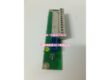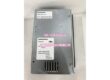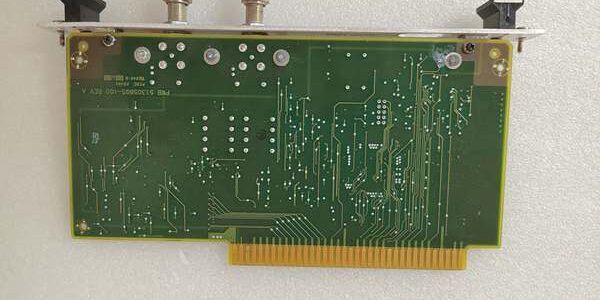
Component Snapshot At-a-Glance
- Model: 51305896-200
- Alt. P/N: No direct cross-replacement; supersedes older PNM/PNI modem hardware, factory PWA NIM Modem CE
- Product Series: Honeywell TDC3000 / TPS DCS UCN Network Interface Module (NIM) family
- Hardware Type: Slot-mounted UCN rack modem communication PCB with dual coax UCN ports + RS485 Modbus terminal header
- Key Feature: Dual redundant UCN coax transceivers with built-in Modbus RTU serial gateway for third-party device integration
- Primary Field Use: Bridge TPS UCN control network to Modbus RTU transmitters, PLCs, analyzers, and remote RTUs on refinery, power plant DCS racks.
Hard-Numbers: Technical Specifications
- Protocol Support: Honeywell UCN dual redundant control network, Modbus RTU Master/Slave, RS485 serial
- Port Count: 2 x BNC coax UCN A/B redundant ports; 1 x screw terminal RS485 Modbus header; gold edge connector for rack backplane
- Baud/Data Rate: UCN fixed proprietary speed; Modbus RTU configurable 1.2k–115.2k bps
- Operating Temperature: 0°C to +50°C operational cabinet; -40°C to +85°C storage
- Isolation Rating: 1500VAC galvanic isolation between UCN coax bus and Modbus serial field wiring
- Power Draw: Rack backplane 24VDC, nominal 500mA, total module power consumption 1.5W
- Modbus Node Limit: Max 32 RS485 field devices per board without repeaters
- Vibration Rating: 0.5g continuous 10–60Hz rack cabinet vibration tolerance
- Certifications: CE EMC, UL recognized, ATEX Zone 2 cabinet compatible
- Form Factor: Standard TPS rack slot single-width PCB, dimensions 167 × 64 × 23mm
- Weight: 0.2kg single board assembly
The Real-World Problem It Solves
Legacy TPS racks without NIM modem hardware cannot natively poll Modbus field instruments, forcing costly external serial converters that introduce ground loop noise and random UCN communication dropouts. Single-coax non-redundant modem cards create full network loss if one coax cable fails, triggering mass process alarm blind spots for operators. Off-the-shelf serial adapters lack UCN bus fault diagnostics, so broken coax or shorted Modbus wiring stays hidden until critical transmitter data drops off DCS displays.Where you’ll typically find it:
- Refinery TPS DCS racks integrating Modbus gas chromatographs, flow computers, and HIPPS valve controllers
- Fossil power plant boiler & turbine control panels linking vibration monitors and PLC safety logic to UCN network
- Offshore FPSO legacy TDC3000 distributed control cabinets for separator pressure/temperature Modbus transmittersThis integrated dual-redundant UCN modem eliminates external serial converters, adds bus fault telemetry, and maintains continuous Modbus data flow even if one UCN coax leg faults.
Hardware Architecture & Under-the-Hood Logic
This board contains independent UCN bus transceiver circuitry and a dedicated serial microcontroller; it acts as protocol translator between proprietary UCN control bus and standard Modbus RTU without loading the rack NIM main processor.
- Dual isolated BNC coax transceivers receive redundant UCN A/B network data from the TPS rack backplane edge connector.
- On-board 8-bit microcontroller parses UCN process value requests and converts them to Modbus RTU polling frames for RS485 field devices.
- Bidirectional signal buffer converts raw Modbus measurement data back to UCN formatted telegrams to feed DCS operator displays and history collection.
- Built-in surge suppression clamps high-voltage transients on both coax and ports to protect PCB traces during lightning or welding events.
- Front panel multi-state LEDs display UCN A/B link health, Modbus bus activity, and internal board fault states for quick cabinet troubleshooting.
- Continuous cyclic self-test checks coax cable impedance and Modbus bus short conditions; fault codes log to the TPS system event journal via UCN backplane.
Field Service Pitfalls: What Rookies Get Wrong
Single UCN Coax Cable Installation (No Redundant A/B Termination)
New technicians only run one BNC coax cable to save wiring labor, ignoring the dual redundant UCN A/B requirement. If that single coax cable cuts or shorts, all Modbus field data drops entirely from the DCS with no failover path.Field Rule: Run two separate shielded coax cables to both UCN A and B BNC ports on every 51305896-200 board; label A/B coax runs clearly on cabinet cable trays.
Dual-End Shield Grounding On Modbus Wiring
Crews ground Modbus cable shield braid at both DCS cabinet and remote field junction box. Plant ground potential difference generates 50Hz hum that corrupts Modbus poll responses, causing random transmitter value freezes on operator screens.Quick Fix: Terminate Modbus shield drain wire only at the DCS rack terminal block; cap and insulate all field-side shield ends with no earth connection.
Missing 120Ω Termination Resistor On End-of-Line Modbus Nodes
Most apprentices skip installing the required 120Ω bus termination resistor on the farthest Modbus field device. Signal reflection on long runs creates cyclic communication timeouts and intermittent missing Modbus registers in TPS point records.Field Rule: Install 120Ω resistor across D+/D- terminals on the last physical Modbus node of every serial segment; remove all intermediate node termination resistors.
Commercial Availability & Pricing Note
Please note: The listed price is for reference only and is not binding. Final pricing and terms are subject to negotiation based on current market conditions and availability.