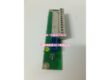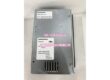
Component Snapshot At-a-Glance
- Model: F8627 (updated revision F8627X)
- Alt. P/N: 984862765 factory full part number; F8621A is lower-performance single-Ethernet sibling
- Product Series: HIMA HIQuad H41q / H51q QMR Safety Instrumented System
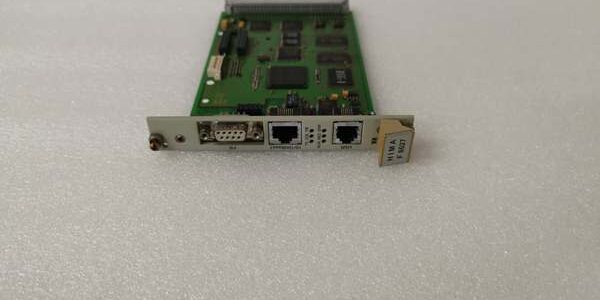
- Hardware Type: 4TE DIN rack-mounted redundant HSR/Ethernet communication coprocessor
- Key Feature: Dedicated HSR high-speed redundant safety ring port + isolated 10/100 Ethernet to offload all external network traffic from main safety CPU
- Primary Field Use: Handle HIMA HSR cross-rack safety ring communication and Modbus TCP/SCADA/HMI data exchange without extending safety logic scan cycles.
Hard-Numbers: Technical Specifications
- Protocol Support: HIMA HSR safety ring, Modbus TCP, SNMP, NTP, ELOP II diagnostic bus, unpopulated FB RS485 header unused on base F8627
- Port Count: 1 x RJ45 10/100 Ethernet, 1 x RJ12 HSR high-speed serial ring port, internal dual-port RAM X-Bus backplane interface
- Baud/Data Rate: Ethernet 10/100 Mbps auto-negotiate; HSR fixed 2 Mbps synchronous safety bus
- Operating Temperature: -20°C to +60°C operational; -40°C to +85°C storage
- Isolation Rating: 1500VAC galvanic isolation between Ethernet/HSR ports and QMR safety backplane
- Power Draw: 5VDC rack bus max 1A, total module power consumption 5W full load
- Processing Core: 32-bit Motorola MPC860T integrated communication RISC controller
- Memory: 8MB Flash firmware storage, 16MB SDRAM for message buffering and fault event logs
- DIP Switches: Dual front DIP switch banks for module address and HSR ring termination configuration
- Certifications: IEC 61508 SIL3 TÜV certified, ATEX Zone 2 compatible, GL marine offshore rated, CE Class B EMC
- Hot-Swap Support: Yes, live insertion/removal does not interrupt rack QMR safety logic execution
- Weight: 0.34kg single module unit
The Real-World Problem It Solves
Large multi-cabinet SIS systems relying on F8621A lack native HSR ring ports, forcing daisy-chained X-Bus cabling that creates single-point communication failures between CPU racks. Routing all Modbus TCP/HMI traffic through the main QMR CPU stretches scan cycles past SIL3 fixed-cycle limits, triggering safety watchdog timeout faults during high alarm throughput. Generic communication cards lack isolated HSR interfaces, letting ground loop noise corrupt cross-rack safety voting data.Where you’ll typically find it:
- Refinery large HIPPS ESD systems with multiple CPU cabinets linked via HSR redundant safety rings
- Offshore FPSO distributed fire/gas safety racks requiring fault-tolerant cross-cabinet data sync
- Fossil power plant boiler BMS and gas turbine SIL3 racks with dual redundant plant LAN HMI connectionsThis HSR-capable coprocessor segregates safety ring traffic and external SCADA load onto dedicated hardware, eliminating single-path cross-rack communication failure risks.
Hardware Architecture & Under-the-Hood Logic
This module runs independent 32-bit communication processing separate from the QMR safety CPU core; dual-port RAM buffers isolate network traffic from critical safety logic execution.
- QMR main CPU writes process values, SIF states and fault codes to shared dual-port RAM on F8627 every fixed safety scan cycle.
- MPC860T coprocessor pulls buffered data and independently processes two separate traffic streams: HSR cross-rack safety ring and external Modbus TCP plant LAN.
- Isolated HSR transceiver regenerates synchronous 2Mbps safety bus signals to eliminate ground loop noise between electrically separated cabinet grounds.
- Isolated Ethernet PHY chip transmits non-safety alarm/SOE data to plant LAN without backplane noise cross-contamination.
- Cyclic self-test and hardware watchdog flag port short/open faults and internal processor mismatch to the rack QMR safety CPU.
- Front panel 6-status LED array displays RUN, Ethernet link, HSR ring activity and internal fault flags for quick cabinet diagnostics without laptop connection.
Field Service Pitfalls: What Rookies Get Wrong
Missing HSR Ring Termination DIP Switch Setting
New technicians leave DIP termination switches defaulted OFF on end-node F8627 modules. Unterminated HSR ring signals reflect down the cable, causing cyclic communication dropouts and persistent QMR voting mismatch faults.Field Rule: Set DIP termination switch ON for the two physical end nodes of every HSR ring; set OFF for all intermediate rack F8627 units.
Dual-End Shield Grounding On HSR/Ethernet Cabling
Crews ground shield braid at both cabinet and remote junction box for HSR ring cables. Plant ground potential difference injects 50Hz hum that corrupts synchronous safety bus frames and triggers constant F8627 FAULT alarms.Quick Fix: Use HIMA specified shielded HSR extension cable; terminate shield drain wire solely at the main CPU rack side, cap and insulate remote cabinet cable shield end.
Mismatched Firmware Versions Between Redundant Pairs
During spare swap-outs, technicians flash different firmware builds to primary and standby communication modules. QMR cross-data comparison fails, triggering rack MAJOR FAULT alarms and full loss of HSR cross-rack safety data sync.Field Rule: Load identical ELOP II firmware revision to all redundant modules; verify steady green RUN LED sync before returning cabinet to operation.
Commercial Availability & Pricing Note
Please note: The listed price is for reference only and is not binding. Final pricing and terms are subject to negotiation based on current market conditions and availability.