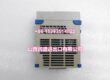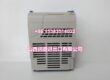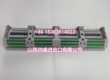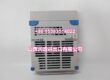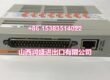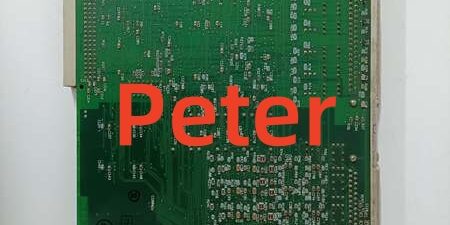
Component Snapshot At-a-Glance
- Model: GE DS200SIOBH1AAA
- Alt. P/N: SIOBH1AAA
- Product Series: GE Speedtronic Mark V, DS200 Line
- Hardware Type: 6U VME serial and digital I/O board
- Key Feature: 1500Vrms port isolation plus auto-baud detection for serial links
- Primary Field Use: Connects Mark V turbine controllers to serial devices, discrete sensors and interlock relays.
Hard-Numbers: Technical Specifications
- Protocol Support: Modbus RTU, ASCII, DF1, GE proprietary serial protocols
- Port Count: 3 × RS-485 serial ports, 16 × 24VDC digital input, 16 × 24VDC digital output
- Baud/Data Rate: 300 bps to 115.2 kbps, automatic baud rate detection
- Operating Temperature: -40°C to +70°C, non-condensing environment
- Isolation Rating: 1500Vrms between serial ports, digital I/O and VME backplane
- Power Draw: +5 VDC at 2.5 A typical, max 3 A from VME backplane
- Digital I/O Rating: 24VDC, 0.5 A per digital output channel
- Configuration Hardware: 20 jumpers and 18 DIP switches for mode and address setup
- Bus Speed: 5 Mbps half-duplex Mark V VME bus interface
- Conformal Coating: Applied for dust and moisture resistance
The Real-World Problem It Solves
Basic serial I/O boards with lower isolation ratings develop communication faults in high-EMI turbine cabinets. Manual baud rate setup adds extra work during commissioning and replacement.
Where you’ll typically find it:
- Combined-cycle power plant Mark V racks for gas and steam turbine control
- Refinery turbine and compressor packages using Modbus RTU serial devices
- Industrial power generation sites with long serial cable runs and high electrical noise
This board fits existing VME slots, improves noise tolerance and cuts setup time with auto-baud functionality.
Hardware Architecture & Under-the-Hood Logic
This board operates as a VME slave with no standalone CPU. It relies entirely on the main Mark V controller for processing and executes signal buffering, isolation and conversion locally.
- VME backplane supplies +5 VDC power; internal regulators suppress voltage spikes and trigger fault indication on overload.
- All serial and digital field signals pass through ESD and surge protection circuits before entering main logic.
- 1500Vrms isolation barriers separate field wiring from VME circuitry to eliminate ground loops.
- Serial UART chips handle data framing, while auto-baud logic locks onto incoming transmission speed.
- Jumpers and DIP switches set port mode, bus address, parity and termination settings.
- Digital input circuits use opto-couplers; transistor drivers switch digital output channels.
- VME interface logic exchanges all I/O and serial data with the main rack controller continuously.
- Single front-panel LED shows power status, data activity and fault conditions.
Field Service Pitfalls: What Rookies Get Wrong
Replacing with DS200SIOBH1ABA DirectlyTechnicians swap AAA and ABA revisions without reconfiguring cabling. ABA uses two RS-232/485 ports while AAA has three RS-485 ports, leading to lost communication channels.
- Field Rule: AAA = three RS-485 ports; ABA = two mixed serial ports. Match part number and port count before installation.
Incorrect RS-485 Bus TerminationUsers enable termination resistors on multiple nodes across a daisy chain. Signal reflections create corrupted data and intermittent timeouts.
- Quick Fix: Install 120Ω termination resistor only at the two extreme ends of the serial bus.
Ignoring Jumper and Switch LayoutNew boards are installed with factory default settings instead of matching the original unit. Wrong port modes and addresses cause total loss of serial and digital I/O.
- Field Rule: Capture photos of jumpers and DIP switches on the old board prior to removal; replicate every setting exactly.
Commercial Availability & Pricing Note
Please note: The listed price is for reference only and is not binding. Final pricing and terms are subject to negotiation based on current market conditions and availability.