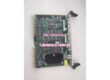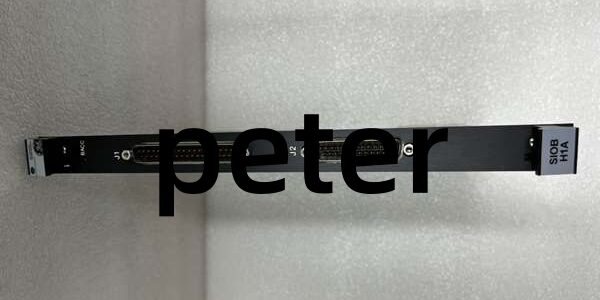
Component Snapshot At-a-Glance
- Model: GE DS200SIOBH1ABA
- Alt. P/N: DS200SIOBH1A (base), DS200SIOBH1ACA (variant)
- Product Series: GE Mark V (DS200) Turbine Control
- Hardware Type: 6U VMEbus I/O board (SIOB: System Input/Output Board)
- Key Feature: Mixed analog/digital I/O with 20 jumpers + 18 DIP switches for field config
- Primary Field Use: Interfaces Mark V DCS to field sensors/actuators on gas/steam turbines.
Hard-Numbers: Technical Specifications
- Bus Interface: VME P1, 16/32‑bit, master/slave, ≥10 Mbps
- I/O Mix: 16×DI, 16×DO, 8×AI (0–10V/4–20mA), 4×AO
- Resolution: 12‑bit analog, 24VDC digital levels
- Operating Temperature: -20°C to +70°C (standard); -40°C to +85°C (rugged)
- Isolation Rating: 1500V RMS field‑to‑backplane galvanic isolation
- Power Draw: +5V @ 2.8A typical; 24VDC field supply (external)
- Connectors: 1×40‑pin header (field I/O), VME P1 backplane
- Configuration: 20 jumpers, 3×6‑position DIP switch banks (18 total)
- LED Status: 1 multi‑color LED (power/run/fault)
- Dimensions: 6U VME (233×160 mm), 25 mm depth; ~1.1 kg
The Real-World Problem It Solves
Mark V turbine controls needed a single‑slot, mixed‑signal I/O board to consolidate discrete DI/DO/AI/AO cards. Hardwiring every point to separate boards increased cabinet size and wiring errors.
Where you’ll typically find it:
- Combined‑cycle power plants (GE Mark V gas/steam turbine islands)
- Refinery turbine packages (compressor drive control & ETS interfaces)
- Paper/steel mill VME DCS racks (high‑speed analog monitoring + interlocks)
This board cuts I/O slot count by 70% and standardizes field termination for turbine control.
Hardware Architecture & Under-the-Hood Logic
This is a VME‑centric I/O board with discrete analog front‑end and digital logic; no on‑board CPU, relies on Mark V host controller.
- VME backplane +5V feeds on‑board regulators; overvoltage locks outputs safe.
- Field 24VDC powers digital inputs; opto‑couplers isolate field noise from logic.
- Analog inputs pass via RC filtering → instrumentation amp → 12‑bit ADC.
- Analog outputs use 12‑bit DAC + current/voltage driver stages; short‑circuit protected.
- Jumper/DIP switch bank sets I/O ranges, address mapping, and fault‑state behavior.
- VME interface logic handles data handshaking, interrupts, and cycle I/O updates.
- LED driven by watchdog + fault logic; lights red on overtemp/overcurrent/VME timeout.
Field Service Pitfalls: What Rookies Get Wrong
Mismatched Jumper/Switch ConfigTechs install new board with factory defaults, not matching old board settings. I/O ranges wrong, analogs drift, or digital outputs fail.
- Field Rule: Photograph old board’s jumpers/switches before removal; replicate exactly on replacement.
Ignoring VME Backplane TerminationLeaves VME unterminated or terminates mid‑rack. Signal reflections cause intermittent I/O freezes and parity errors.
- Quick Fix: Terminate VME at first/last slot only; use 74LS245 transceivers.
Overloading Analog OutputsDrives 4–20mA AO into <50Ω load. Output clamps, burns driver, and triggers board fault.
- Field Rule: Keep AO load ≥250Ω; check loop resistance before powering.
Commercial Availability & Pricing Note
Please note: The listed price is for reference only and is not binding. Final pricing and terms are subject to negotiation based on current market conditions and availability.