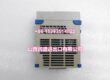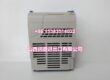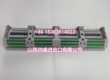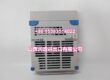
Component Snapshot At-a-Glance
- Model: Triconex 3708E
- Alt. P/N: Non-E base variant = 3708 (older non-upgraded PCB, limited CJ diagnostic)
- Product Series: Tricon 3700E SIL3 TMR I/O Rack Family, V9/V10 chassis compatible
- Hardware Type: Triple Modular Redundant isolated differential thermocouple input PCB, single-slot hot swap rack card, yellow front fascia
- Key Feature: Onboard per-channel cold-junction compensation with dedicated CJ fault LED flagging
- Primary Field Use: Convert millivolt thermocouple signals to engineering temp values for ESD/BMS safety trip logic in process plants
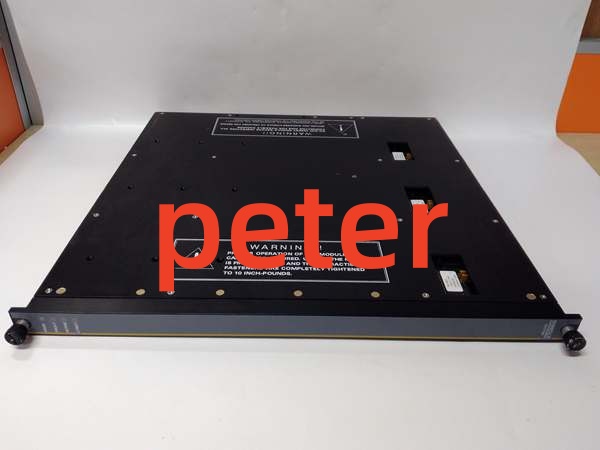
Triconex 3708E
Hard-Numbers: Technical Specifications
- Protocol Support: Exclusive proprietary Tricon TMR backplane bus; no external fieldbus onboard
- Port Count: 16 fully isolated differential thermocouple input channels per module
- Data Rate: Max 50ms full-channel scan/update cycle, 16-bit ADC conversion resolution
- Operating Temperature: 0°C ~ +60°C continuous chassis run; -40°C ~ +85°C storage rating
- Isolation Rating: 1500VAC channel-to-backplane galvanic isolation per input leg
- Power Draw: 4.1W typical at 5VDC backplane feed, ~820mA nominal operating current
- Supported TC Types: J, K, T, E standard industrial thermocouple calibrations preloaded on firmware
- Input Impedance: Min 30MΩ DC per channel for low-mV thermocouple signal rejection
- Overvoltage Tolerance: Survive 110VAC continuous field side surge without front-end burnout
- Certifications: IEC61508 SIL3, UL Class1 Div2, ATEX Zone2 hazardous area approval
The Real-World Problem It Solves
Field technicians previously installed external standalone cold junction transmitters to condition raw TC mV signals, each external unit adds an uncertified single-point failure outside SIL-rated safety boundaries. Loose field wiring and ambient cabinet drift routinely forced sporadic false high-temp ESD trips costing unplanned downtime.Where you’ll typically find it:
- Refinery furnace BMS cabinets monitoring burner tube skin temperature for flame loss shutdown logic
- Gas plant compressor ESD racks tracking casing/bearing thermocouple over-temperature safety trips
- Coal-fired boiler feedwater heater SIS panels for tube overheat interlock monitoringAll cold-junction math and burnout detection runs inside the certified TMR card to eliminate third-party conditioning hardware entirely.
Hardware Architecture & Under-the-Hood Logic
This card splits all incoming thermocouple signals across three fully separate TMR processing legs with independent ADC circuits; no shared analog components between redundant branches to contain single-component faults.
- Weak millivolt TC field signals pass through channel-by-channel isolation barrier to block common-mode ground loop noise before front-end amplification.
- Onboard precision CJ RTD reads local card edge ambient temp for automatic cold-junction offset correction per input group.
- Each of three TMR legs runs independent 16-bit ADC sampling and firmware-based TC linearization math.
- Three processed temp values feed internal hardware voter, 2oo3 majority value gets packaged and sent over backplane to host SIS processor.
- Continuous per-channel diagnostics scan for open TC wire, shorted field leads or CJ sensor drift, driving front-panel FAULT/CJ FAULT LEDs plus TriStation alarm logs.

Triconex 3708E
Field Service Pitfalls: What Rookies Get Wrong
Improper Mixed-Gauge Thermocouple Extension WiringNew tech splices standard copper control wire directly to TC extension cable, mismatched conductor metals create parasitic thermoelectric offset that drifts readings ±10~25°C with cabinet temp swing.
- Field Rule: Run full continuous matching-grade TC extension wire all the way from field probe to cabinet terminal; zero copper splices allowed on TC signal runs.
Unconfigured TC Burnout Direction in TriStation SoftwareDefault factory setting sends open-sensor fault upscale (high temp), triggering unneeded safety shutdown when a thermocouple wire snaps mid-run.
- Quick Fix: Flip channel burnout setting to downscale (low temp) for critical SIS loops; flag open sensor via alarm only instead of auto-trip.
CJ Fault From Blocked Cabinet Vent SlotsDust buildup clogs card edge ambient air vents near onboard CJ RTD, localized hot spot skews cold junction calculation and locks full bank of channels into constant CJ FAULT state.
- Field Rule: Clear chassis intake/exhaust vents every 6-month PM cycle; never stack spare blank filler cards directly against 3708E ventilation cutouts.
Commercial Availability & Pricing Note
Please note: The listed price is for reference only and is not binding. Final pricing and terms are subject to negotiation based on current market conditions and availability.