Component Snapshot At-a-Glance
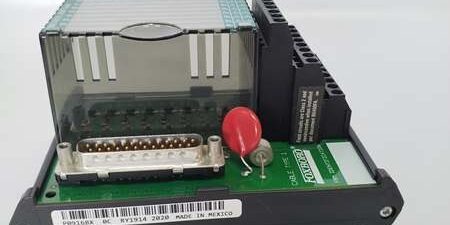
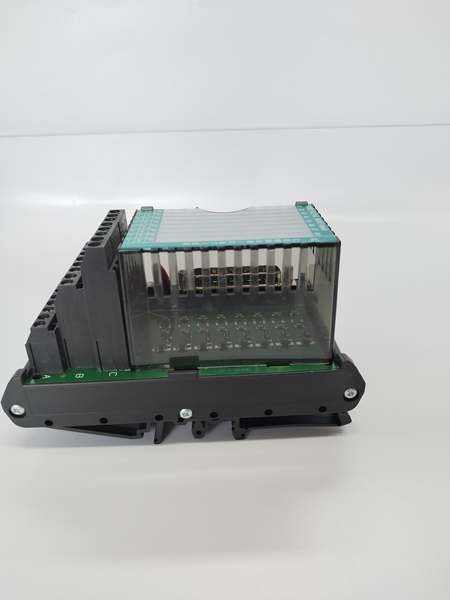
- Model: P0916PW
- Alt. P/N: FBM217 (main FBM core card, = mating field terminal assembly)
- Product Series: Foxboro I/A Series 200-Series Baseplate, Foxboro Evo compatible
- Hardware Type: 32-point discrete input field termination terminal module (contact sensing DI)
- Key Feature: Onboard 24VDC channel wetting + per-channel opto-isolation for field surge blocking
- Primary Field Use: Terminates field relay contacts/NAMUR sensors, feeds discrete status data back to baseplate-mounted FBM217 core card and rack CP30 CPU
Hard-Numbers: Technical Specifications
- Protocol Support: Passive terminal, no onboard bus logic; signals converted via paired FBM217 over 2Mbps Nodebus HDLC
- Port Count: 32 screw-type field wiring terminals grouped in 4 terminal banks
- Baud/Data Rate: Terminal only, bus speed governed by parent at fixed 2Mbps Nodebus
- Operating Temperature: -20°C ~ +70°C continuous cabinet ambient; -40°C~+85°C storage rating
- Isolation Rating: 1500VAC optocoupler galvanic isolation per channel between field wiring and FBM core circuitry
- Power Draw: 4.2W typical operating load, 24VDC wetting voltage sourced directly from backplane feed
- Field Input Rating: ON=15~30VDC, OFF=0~5VDC; 2.2mA nominal sink current @30VDC input
- Wire Gauge Limit: Accepts max 2.5mm² stranded copper field wire for screw termination
- Hot-Swap Rating: Safe live removal only when paired core card is deactivated in DCS logic software
- Compliance: NAMUR IEC60947-5-6 proximity sensor compatible, G3 industrial environment rated
The Real-World Problem It Solves
Unterminated bare-wire FBM wiring leads to loose strands shorting adjacent DI channels, triggering false trip alarms on safety interlock logic during plant run cycles. Older non-isolated terminal blocks let field ground faults surge back into FBM core and crash entire rack Nodebus communication.Where you’ll typically find it:
- Coal power boiler cabinet monitoring burner flame proof switches, feedwater pump auxiliary contact status
- Refinery CDU rack collecting shutdown valve limit switch discrete feedback and flare stack interlock contacts
- Offshore separator cabinet terminating NAMUR proximity switches for drain valve mechanical position feedback
Per-channel isolation and factory-integrated wetting voltage cuts unplanned spurious trips caused by field wiring insulation breakdown.
Hardware Architecture & Under-the-Hood Logic
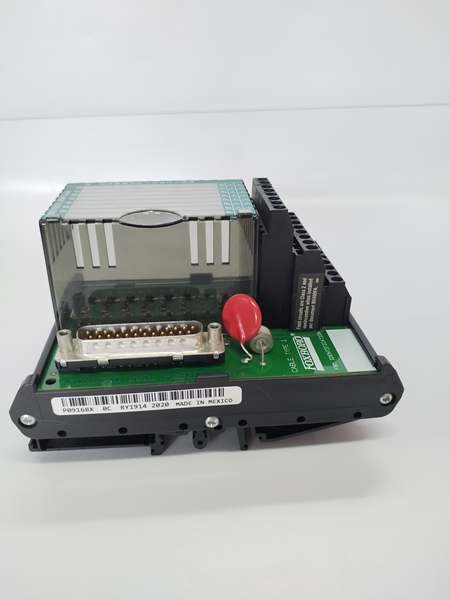
This terminal assembly latches directly onto the front edge of core card; split PCB design separates field terminal power rails and isolated opto-circuitry to keep field-side electrical damage contained away from baseplate backplane circuits.
- 24VDC wetting supply routes from core PCB into independent per-channel current-limiting resistors on terminal board.
- Field contact closure pulls channel current across optocoupler input side to toggle internal optical state.
- Optocoupler output converts raw field contact signal to logic-level voltage for ’s onboard input register capture.
- compiles all 32-channel status data then transmits cyclic scan values across Nodebus to rack CP30 (P0960AW) processor.
- Small individual LED on each terminal bank lights up to visually confirm closed contact state without pulling DCS workstation diagnostics.
Field Service Pitfalls: What Rookies Get Wrong
Oversized Field Wire Crams Into Screw Terminals
Techs run thick 4mm² cable into terminals rated for max 2.5mm²; loose terminal clamping causes intermittent open circuits and bouncing DI status in DCS trending.
- Quick Fix: Strip wire to 6mm exposed length, strictly use 1.0~2.5mm² field wiring per terminal spec; retorque screws after thermal cycling one week post-install.
Cross-Wiring AC Field Power Into DI Terminals
Improper cable segregation routes 120VAC control wiring into discrete input terminals; AC surge blows onboard optocouplers and takes out paired core card.
- Field Rule: Separate AC power cabling minimum 15cm from DI signal wiring inside cabinet trays; label all terminal banks as 24VDC ONLY before field hook-up.
Pull Live With Online In Service
Rookie unlatches powered terminal block while is active; momentary pin short creates Nodebus glitch and triggers random interlock trip on running process loops.
- Field Rule: Lock out relevant DCS logic points to freeze channel state, or remove from Nodebus scan before detaching terminal assembly.
Commercial Availability & Pricing Note
Please note: The listed price is for reference only and is not binding. Final pricing and terms are subject to negotiation based on current market conditions and availability.