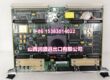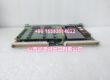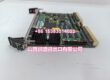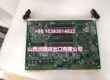
Component Snapshot At-a-Glance
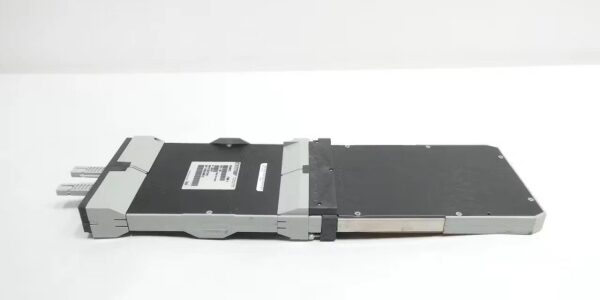
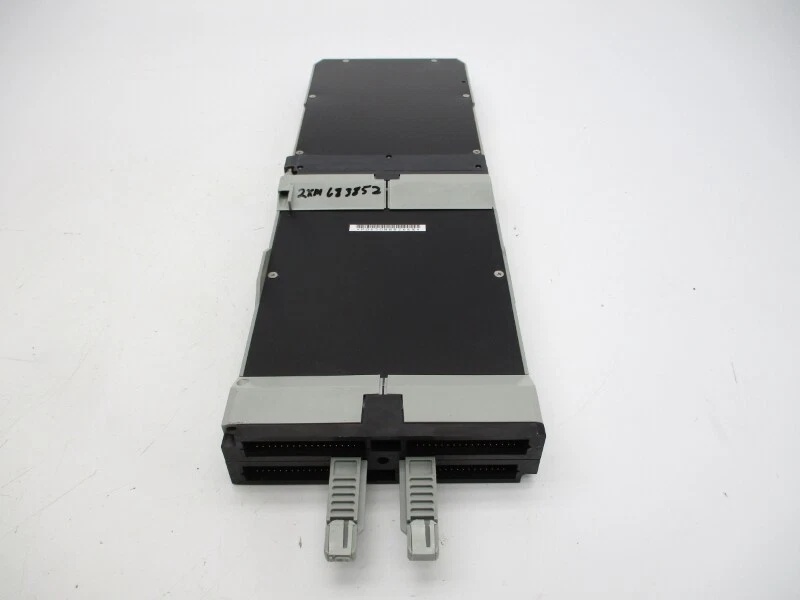
- Model: CP30
- Alt. P/N: P0960AW (primary factory catalog part marking)
- Product Series: Foxboro I/A Series 200-Series Baseplate, fully backward compatible with Foxboro Evo rack infrastructure
- Hardware Type: Rack-mounted redundant DCS master control processor (Nodebus rack host CPU)
- Key Feature: Dual independent A/B Nodebus transceiver circuits to isolate single-bus cable fault from full rack I/O operation
- Primary Field Use: Executes PID/sequential interlock logic, cyclic polls all baseplate FBM cards including FBM242, forwards process data to HMI/plant historian via onboard Ethernet port
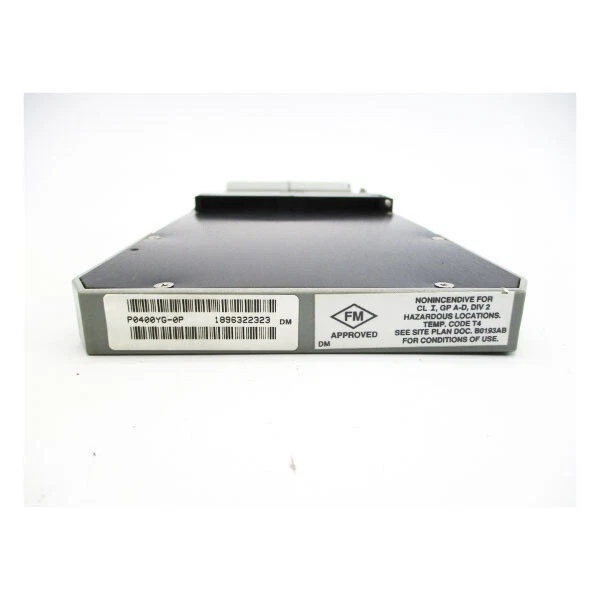
P0400YG
Hard-Numbers: Technical Specifications
- Protocol Support: 2Mbps proprietary HDLC Nodebus + 10/100Base-T Ethernet + RS232 local service port
- Port Count: Dual rear backplane Nodebus channels, front RJ45 LAN, front RS232 debug port
- Baud/Data Rate: Fixed 2Mbps Nodebus bus speed; Ethernet auto-negotiates 10/100Mbps
- Operating Temperature: -10°C ~ +60°C continuous cabinet ambient; -40°C~+85°C storage rating
- Isolation Rating: 1500VDC galvanic isolation between Ethernet interface and core CPU logic
- Power Draw: 9.7W nominal operating load, fed entirely from rack 24VDC SELV backplane supply
- Core Hardware: 32-bit RISC core, 8MB program Flash, 4MB runtime volatile RAM
- Max FBM Capacity: Directly drives up to 32 FBM modules per baseplate; expandable to 128 via FEM100 extender
- Hot-Swap Rating: Live pull permitted only in dual redundant paired CPU rack configurations
The Real-World Problem It Solves
Older single-channel non-redundant rack CPUs trigger full baseplate I/O dropout when bus wiring gets pinched or field surge leaks into Nodebus wiring. Non-isolated legacy controllers let FBM field-side short circuits bleed back into CPU core and crash all running process control loops.Where you’ll typically find it:
- Utility coal boiler main DCS rack managing feedwater, furnace pressure and fuel gas regulatory PID loops
- Refinery CDU distillation cabinet coordinating column temperature/level control and emergency pump interlocks
- Offshore production separator control rack commanding FBM242 solenoid outputs for flare and drain valve management
Dual-bus redundant architecture limits single-point failure scope and keeps all active control logic online during partial CPU degradation or bus leg damage.
Hardware Architecture & Under-the-Hood Logic
This processor locks directly into baseplate goldfinger backplane, uses isolated power rails separating core CPU circuitry and Nodebus driver hardware to block field electrical faults from frying main processing silicon. It acts as central intermediary between plant LAN and every installed FBM I/O card on its rack.
- Backplane 24VDC input feeds onboard multi-stage regulators to split isolated CPU power and Nodebus transceiver power domains.
- Onboard RISC loads saved control logic from onboard Flash memory on cold boot, loads live runtime setpoints into RAM.
- Dual independent Nodebus transceivers issue cyclic read/write poll commands across A/B bus legs to all connected FBM devices like FBM242.
- Received raw field I/O data gets filtered, calculated against configured PID and interlock logic inside CPU memory space.
- Calculated output setpoints route back down Nodebus to target FBM channels; real-time process values upload out front Ethernet to plant HMI servers.
- Front panel LED bank displays RUN, FAULT, BUS-A/B health status for quick in-cabinet diagnostic checks without workstation access.
Field Service Pitfalls: What Rookies Get Wrong
Cross-Firmware Version Mismatch Between and Installed FBM Cards
New field tech flashes latest CP firmware revision onto legacy without matching FBM242 hardware revision; version incompatibility triggers random channel dropout and persistent Nodebus fault LED flicker.
- Field Rule: Match CP firmware release notes against all populated FBM part/revision numbers before downloading new runtime firmware.
Parallel Routing of Ethernet and Nodebus Cabling Inside Shared Trays
Improper cable tray layout bundles LAN Ethernet and Nodebus trunk wires side-by-side; radiated EMI corrupts HDLC bus frames leading to sporadic rack timeout alarms and uncommanded output state shifts.
- Quick Fix: Separate Nodebus data wiring and Ethernet cabling by minimum 10cm inside cabinet cable ducts; route high-voltage AC field wiring in fully isolated tray runs.
Live Hot-Swap On Non-Redundant Single-CPU Baseplate
Entry-level crew removes powered from non-redundant single-processor rack; entire baseplate loses master control and all FBM I/O drops offline triggering process trips.
- Field Rule: Never extract powered unless redundant standby CPU is fully synced and active on the same baseplate.
Commercial Availability & Pricing Note
Please note: The listed price is for reference only and is not binding. Final pricing and terms are subject to negotiation based on current market conditions and availability.