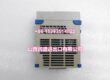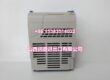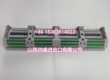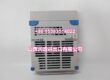
Component Snapshot At-a-Glance
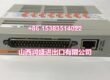
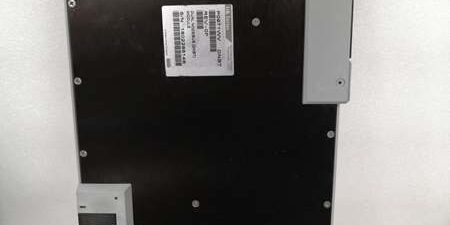
- Model: DNBT | Full part number: P0971WV
- Alt. P/N: P0971YQ (drop-in upgraded revision replacement)
- Product Series: Foxboro I/A Series DCS (CP30/CP40/CP60 controller platform)
- Hardware Type: Dual isolated Nodebus transceiver plug-in rack card
- Key Feature: Two electrically separated bus channels with independent galvanic isolation per port
- Primary Field Use: Splits main rack Nodebus into two segregated trunk runs to isolate field I/O bus faults across control room marshalling racks.
Hard-Numbers: Technical Specifications
- Protocol Support: Foxboro proprietary 2Mbps HDLC Nodebus differential serial protocol
- Port Count: Dual screw-terminal Nodebus field ports + rear backplane gold finger connector
- Baud/Data Rate: Fixed 2Mbps half-duplex per individual bus channel
- Operating Temperature: 0°C ~ +60°C continuous cabinet operating; -40°C ~ +85°C storage range
- Isolation Rating: 1500VDC galvanic isolation between each field port and internal backplane logic
- Power Draw: 9.1W typical running load, sourced from rack 24VDC SELV backplane rail
- Hot-Swap Rating: Factory certified live plug/unplug on energized standard I/A backplane baseplate
- Max Node Limit: 63 Nodebus addressable devices allowed per single channel trunk
- Form Factor: Standard single-width I/A Series rack slot footprint
The Real-World Problem It Solves
Legacy single-port DNBI modules tie all field I/O onto one common bus; a shorted field wiring or MCC induced surge crashes the entire Nodebus trunk and drops all connected FBM I/O during furnace/boiler critical control cycles. Unsegmented bus architecture routinely triggers unplanned process trips across refining and power plant units.Where you’ll typically find it:
- Coal-fired utility boiler central DCS rack paired with redundant CP60 main controllers
- Refinery hydrocracker control cabinet separating safety I/O from non-critical auxiliary fieldbus
- FPSO offshore main control shelter isolating pump skid I/O away from high EMI variable frequency drives
Dual independent channel design restricts short-circuit damage to one trunk, keeping the second bus online for uninterrupted critical process control.
Hardware Architecture & Under-the-Hood Logic
This PCB houses two separate bus transceiver ASICs and isolated power circuits; no shared signal ground exists between Channel A and Channel B to stop fault bleed from one trunk into the second bus or rack backplane.
- Rear gold-finger edge taps regulated 24VDC supply and internal rack system bus data from baseplate backplane.
- Central processing ASIC splits inbound backplane traffic into two fully independent data streams for each isolated bus channel.
- Per-channel differential line drivers convert internal logic signals into standard 2Mbps Nodebus differential field wiring voltage levels.
- Incoming field bus signals pass opto-coupler isolation before conversion back to backplane-compatible digital data.
- Front panel tri-color LED array independently displays port power, bus activity, short fault and backplane sync status for rapid in-cabinet diagnostics.
Field Service Pitfalls: What Rookies Get Wrong
Cross-Wire Dual Terminals Onto Identical Nodebus Trunk
New technicians jumper both DNBT terminal ports onto one single twisted-pair bus; parallel loading distorts differential bus impedance and sparks recurring CRC errors every time nearby VFD motors start up.
- Field Rule: Route Channel A and Channel B to physically separate, fully independent Nodebus cables with no cross connections.
Omit Required 120Ω End-of-Bus Termination Resistors
Field crew skips terminator plugs on last FBM device of each bus leg; signal reflection worsens with cabinet temperature swings leading to intermittent random I/O dropouts over weeks of runtime.
- Quick Fix: Install factory 120Ω terminator exclusively at the far-end last node of every trunk; remove termination on all intermediate rack taps.
Run Nodebus Cable alongside 480V MCC Power Wiring
Improper cable tray routing lays Nodebus within 15cm of high-current AC feeders; radiated EMI corrupts differential bus waveform and fills CP controller diagnostic logs with constant bus faults.
- Field Rule: Maintain minimum 30cm physical separation between Nodebus shielded cable and all high voltage power cabling; single-point ground cable shield only at control cabinet end.
Commercial Availability & Pricing Note
Please note: The listed price is for reference only and is not binding. Final pricing and terms are subject to negotiation based on current market conditions and availability.