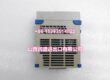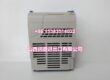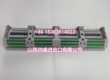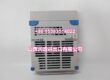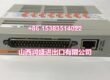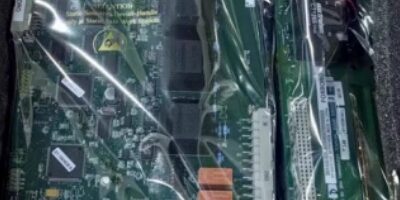
Component Snapshot At-a-Glance
- Model: SY-0303372RA
- Alt. P/N: No published OEM cross part numbers
- Product Series: Foxboro I/A Series DCS System, FBM I/O accessory hardware
- Hardware Type: Passive molded rear field wiring terminal plug assembly
- Key Feature: Pre-molded pin routing matching native FBM backplane pinout with integrated strain relief for field cables
- Primary Field Use: Provides screw terminal termination for field instrument wiring and plugs directly onto rear of Foxboro FBM input/output modules
Hard-Numbers: Technical Specifications
- Protocol Support: Passive hardwired signal routing; no embedded bus communication circuitry
- Port Count: Multi-pin terminal layout aligned to standard FBM module footprint
- Max Terminal Voltage Rating: 300V low voltage instrument circuit rating
- Per-Terminal Continuous Current: 5A maximum per individual screw terminal
- Operating Temperature: -20°C to +70°C continuous cabinet ambient range
- Isolation Rating: Air gap insulation separation between adjacent signal terminal circuits
- Recommended Terminal Torque: 0.8 N·m for copper wire termination
- Construction Material: Flame retardant UL94-V0 molded plastic housing
The Real-World Problem It Solves
Field crews previously hand-soldered discrete loose wire leads directly onto exposed FBM module rear pins, creating high-resistance cold solder joints prone to intermittent signal drop from cabinet thermal cycling. Custom hand-built terminal adapters required custom drilling and inconsistent pin mapping across identical rack layouts.
Where you’ll typically find it:
- Refinery I/A DCS marshalling cabinets housing FBM201/FBM204 analog/digital modules
- Coal-fired power plant auxiliary boiler Foxboro I/A control rack termination panels
- Chemical batch plant reactor field instrument termination enclosures
It standardizes field wiring termination while eliminating hand solder joints as a recurring field failure source.
Hardware Architecture & Under-the-Hood Logic
This is fully passive non-electronic molded terminal assembly with solid internal copper bus bars; no onboard semiconductors or power regulation components of any kind.
- Rear molded male pin header inserts directly into corresponding female rear socket of Foxboro FBM I/O module.
- Internal solid copper bus bars create fixed conductive paths between module pin positions and front-side screw terminals.
- Front open screw terminals accept stripped copper instrument wire for field loop termination.
- Built-in molded strain relief restricts cable pull from tugging internal copper connections loose during cabinet maintenance work.
- Standardized pin mapping eliminates user-custom jumper wiring for factory-defined FBM channel assignments.
Field Service Pitfalls: What Rookies Get Wrong
Over-Torquing Terminals Crack Molded Housing & Internal Copper Bus
New technicians apply excess screwdriver torque when tightening field wiring, splitting molded terminal body and breaking internal copper bar connections hidden inside plastic housing.
- Field Rule: Strictly limit tightening torque to factory specified 0.8 N·m; discard cracked terminal assemblies immediately rather than field repair.
Force Mismatched SY Terminal Onto Non-Compatible FBM Variant
Improper forced insertion onto non-matching FBM rear pin layout bends male header pins, permanently damaging both terminal plug and expensive FBM module rear socket.
- Quick Fix: Verify physical pin count and notch key coding before insertion; replace bent-pin FBM if damage occurs during misfit installation.
Bundle Oversized Gauge Wire Into Small Terminal Slots
Oversized 12AWG instrument cables jammed into narrow terminal openings lead to incomplete wire seating and loose intermittent field signal connections.
- Field Rule: Restrict wire gauge to factory specified 16–22 AWG range per terminal slot per Foxboro I/A wiring specification.
Commercial Availability & Pricing Note
Please note: The listed price is for reference only and is not binding. Final pricing and terms are subject to negotiation based on current market conditions and availability.