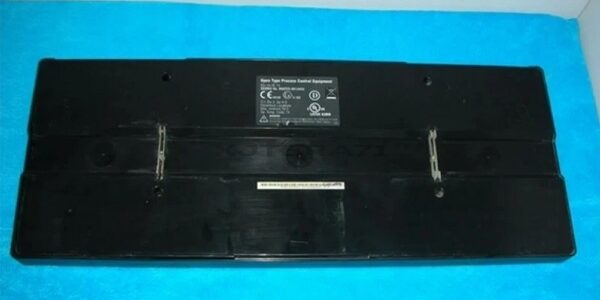
Component Snapshot At-a-Glance
- Model: P0914XB0C
- Alt. P/N: Base core marking P0914XB; full factory part = (suffix 0C denotes coated PCB industrial variant)
- Product Series: Foxboro I/A Series FBM Field I/O Terminal Base family, mates exclusively with FBM204 module
- Hardware Type: Plug-in TA termination base assembly, field wiring terminal rack for paired FBM card
- Key Feature: Pre-routed internal bus paths, built-in channel surge barrier for field input overvoltage suppression
- Primary Field Use: Terminate 8-channel field 4–20mA transmitter wiring and mechanically latch FBM204 analog input module to DCS rack backplane.
Hard-Numbers: Technical Specifications
- Protocol Support: Passive backplane FBM bus routing; no onboard processing, forwards HART/4–20mA field signals to paired FBM204
- Port Count: 8 screw-clamp field terminal pairs + dedicated backplane edge connector for FBM card seating
- Baud/Data Rate: Pass-through only; backplane 2Mbps FBM bus, field HART fixed 1200bps
- Operating Temperature: 0°C ~ +60°C continuous; coated PCB (0C suffix) resists condensation down to -10°C cabinet ambient
- Isolation Rating: 1200V field-to-backplane per-channel built-in discrete barrier isolation
- Power Draw: 0W passive assembly; all power sourced entirely from mated module
- Supported Field Signal: 4–20mA 2-wire/3-wire analog transmitter input, HART superimposed field wiring
- Max Field Wire Gauge: 14AWG solid copper for terminal screw termination
The Real-World Problem It Solves
Loose hand-terminated terminal strips create intermittent open transmitter loops that trigger random DCS PV dropout during plant vibration cycles. Generic unbranded terminal bases lack pre-routed internal shielding, letting cabinet VFD noise corrupt low-level 4–20mA input readings.Where you’ll typically find it:
- Refinery crude feed rack: Flow/temp transmitter field wiring for input cards
- Utility boiler furnace cabinet: Stack O2, draft pressure analog transmitter termination points
- Petrochemical tank farm DCS rack: Level transmitter 4–20mA field wiring assemblyFactory pre-routed base cuts field wiring error and intermittent noise-related loop faults during continuous unit operation.
Hardware Architecture & Under-the-Hood Logic
This is a fully passive terminal base with no onboard CPU; internal PCB traces hardwire each field terminal directly through surge barrier components to upper card edge connector for physical mating.
- Field 4–20mA/HART wiring lands on lower screw terminal block per numbered channel
- Each channel signal routes through discrete ceramic surge suppressor on base PCB
- Filtered signal runs fixed internal trace up to top gold-plated edge connector pins
- Inserted locks onto edge connector to pull field signals into onboard ADC circuitry
- Base mechanical latches secure FBM card against rack vibration to prevent intermittent pin disconnect
Field Service Pitfalls: What Rookies Get Wrong
Overcrimped Terminal Wire Strands Extruding Past Screw ClampExposed loose copper strands cross adjacent terminals during cabinet thermal expansion, creating intermittent channel short that trips channel fault with no obvious visual damage.
- Quick Fix: Trim excess wire strands flush with terminal insulator after tightening; limit exposed copper to max 2mm inside clamp.
Improper Shield Termination At Base TerminalsTechs tie all cable drain shields to common base earth lug; ground loop current from differing instrument earth potentials injects AC hum into 4–20mA readings.
- Field Rule: Single-point shield grounding only at instrument cabinet main earth bar, leave individual channel shield drain floating at terminals.
Prying FBM card sideways to seat bends base edge connector gold pins; partial pin contact causes drifting PV values that mimic transmitter calibration drift.
- Field Rule: Align card guide slots first before pressing home; replace damaged base if connector pins show bent or blackened arcing marks.
Commercial Availability & Pricing Note
Please note: The listed price is for reference only and is not binding. Final pricing and terms are subject to negotiation based on current market conditions and availability.