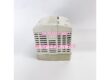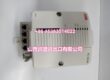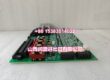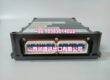
Product Core Brief
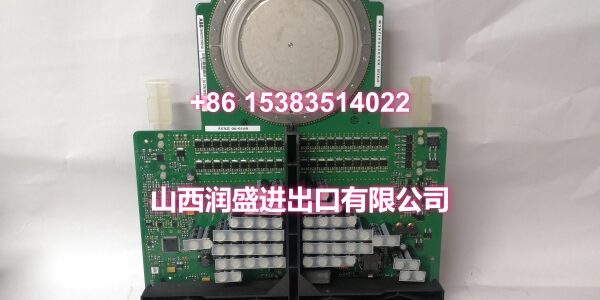
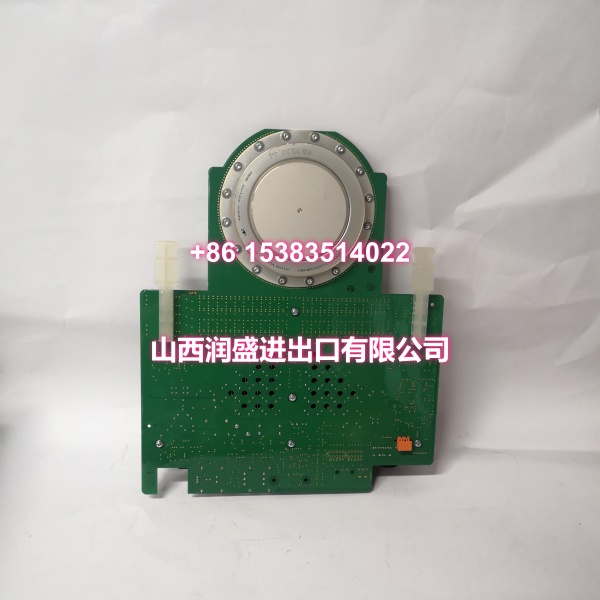
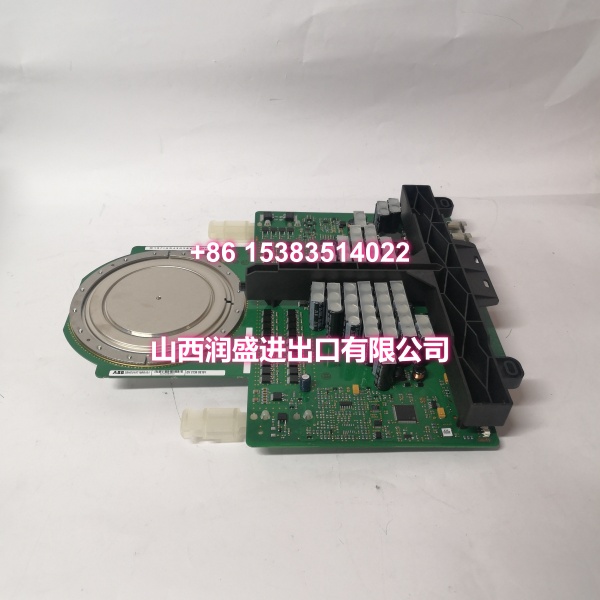
- Model: 3BHB024711R0020
- Brand: ABB
- Series: VERIFY — confirm platform from nameplate (3BHB order-code range)
- Core Function: VERIFY — confirm function class (interface, power, I/O, or controller component) from original manual
- Product Type: Industrial automation component / legacy spare
- Key Specs: VERIFY (supply voltage) | VERIFY (interface) | VERIFY (mounting)
- Condition: New Original / New Surplus
Key Technical Specifications
| Category | Parameter | Value |
|---|---|---|
| Identification | Order Number | 3BHB024711R0020 |
| Identification | Brand | ABB |
| Identification | Series / Platform | VERIFY from nameplate |
| Classification | Product Type | VERIFY (component class) |
| Electrical | Supply Voltage | VERIFY |
| Electrical | Power Consumption | VERIFY |
| Interface | Communication / Bus | VERIFY |
| Mechanical | Mounting | VERIFY (DIN rail / panel / slot) |
| Environmental | Operating Temperature | VERIFY |
| Compatibility | Interchangeable Variants | VERIFY — do not assume from prefix |
| Supply | Availability Status | Legacy / obsolete stock |
| Quality | Test Record | Bench-verified before dispatch |
Product Introduction (No Fluff)
Order code 3BHB024711R0020 is an ABB automation component used in industrial control systems. Its exact function within the control architecture must be confirmed from the nameplate before ordering.
What decides success here is suffix discipline, not marketing copy. ABB codes in this range vary by revision, and one character can mean a different firmware baseline or terminal layout. Bottom line: match the full code, never the prefix.
QA & Testing SOP
Written the way we run it on the bench.
- Inbound anti-counterfeit check. Nameplate photographed under raking light; revision digits and date code checked for consistent laser depth. Replicas typically fail on the revision suffix.
- Physical inspection. Connectors checked for bent pins and oxidation; board inspected for capacitor bulge or lifted traces.
- Bench power-up. Rated voltage applied through a current-limited supply. Inrush current logged, status LED sequence confirmed against the manual.
- Function verification. For I/O-type units: full-scale signal injection (4–20 mA) across channels, read back against a calibrated Fluke reference. For power units: load-bank test at 80% and 100% rated load, ripple measured with a scope.
- ESD-safe packing. Anti-static bag, foam cradle, humidity indicator — sealed and photographed before dispatch.
Installation Pitfalls & Guide
❗ Assuming interchangeability. Sibling codes in the same series differ in firmware or pinout. Confirm the exact revision against the unit being removed.
❗ Grounding loops. Sharing an analog ground with a field device on a separate earth reference produces 1–5 mV offsets that masquerade as sensor drift. Use single-point grounding.
❗ ESD during connector handling. Discharge to the rack ground strap before touching the edge connector. A 3 kV discharge won’t kill the board — it will degrade it over six months.
❗ Power draw on legacy rails. Older backplanes were sized for fewer modules. Check the rail budget before adding hardware.
Replacement sequence:
- Pre-install — photograph the old unit’s wiring and DIP/jumper settings; back up the configuration.
- Removal — de-energize the bay; no hot-swapping unless the manual explicitly permits it.
- Install — seat fully, torque terminals to spec, re-verify grounding.
- Power-on test — cold boot, confirm self-test pass, validate I/O point-to-point before returning the line to service.
Technical FAQ
Is pricing negotiable on volume? On legacy stock, price tracks availability rather than quantity. If we have three units and you need five, the second batch may cost more — or may not exist. Tell us your real requirement up front.
What warranty applies? Twelve months on New Original stock. Six months on New Surplus, because the unit was manufactured for a project that never used it. We state the difference rather than hide it.
Will it drop-in replace my existing module? Only if the full order code matches, including the revision suffix. A matching prefix is not compatibility.
Why not upgrade to a newer model? Because a newer part likely changed the communication stack or terminal map. That’s a re-engineering job, not a swap. If you want an upgrade path, we’ll scope it — as a project, not a purchase order.
Is this part obsolete? Treat it as legacy. Order spares against your maintenance horizon, not against today’s failure.