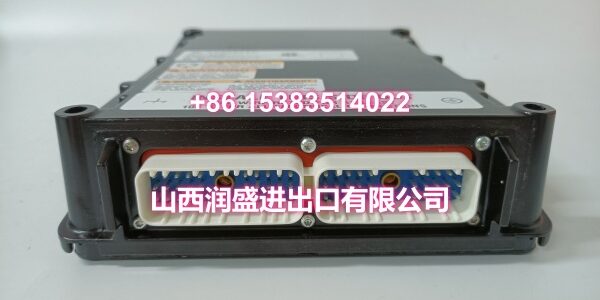
Product Core Brief
- Model: 8237-1596
- Brand: Woodward
- Series: VERIFY — confirm product line from nameplate (hydraulic / pneumatic control family)
- Core Function: VERIFY — confirm function class (speed control, load sharing, actuation, or pilot valve) from original manual
- Product Type: Mechanical-hydraulic control component / legacy spare
- Key Specs: VERIFY (spring range) | VERIFY (actuator compatibility) | VERIFY (set-point adjustment range)
- Condition: New Original / New Surplus
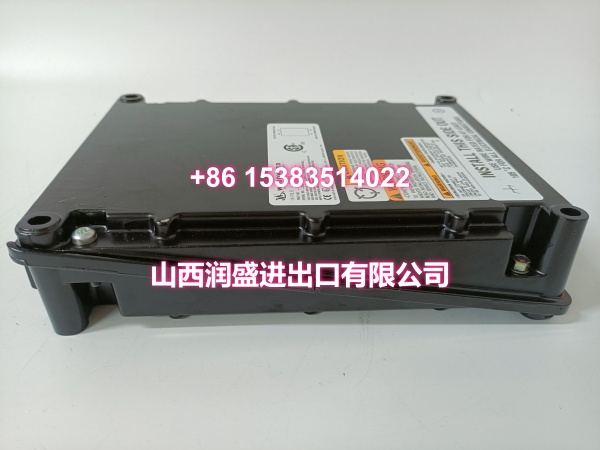
Key Technical Specifications
| Category | Parameter | Value |
|---|---|---|
| Identification | Part Number | 8237-1596 |
| Identification | Brand | Woodward |
| Identification | Series / Product Line | VERIFY from nameplate |
| Classification | Function Class | VERIFY (speed / load / actuation) |
| Mechanical | Adjustment Range | VERIFY (spring / set-point) |
| Hydraulic | Operating Pressure | VERIFY |
| Hydraulic | Port / Fitting Type | VERIFY |
| Actuation | Compatible Actuator | VERIFY |
| Environmental | Operating Temperature | VERIFY |
| Compatibility | Interchangeable Variants | VERIFY — do not assume from 8237 prefix |
| Supply | Availability Status | Legacy / obsolete stock |
| Quality | Test Record | Bench-verified before dispatch |
Product Introduction (No Fluff)
Woodward 8237-1596 is a control component used in mechanical-hydraulic governing systems — the kind still running on standby generators, marine engines, and industrial turbines where the original Woodward architecture was never replaced.
What determines whether this works is the suffix, not the 8237 prefix. Two units sharing a prefix can differ in spring range or actuator interface, and the wrong one will either hunt or fail to reach set speed. Bottom line: match the full part number, and confirm the spring range against the machine’s requirement.
QA & Testing SOP
Written the way we actually run it on the bench.
- Inbound anti-counterfeit check. Nameplate photographed under raking light; part number and date code checked for consistent stamping depth. Replicas typically fail on the suffix digits.
- Physical inspection. Ports, threads, and diaphragm/piston faces inspected for corrosion, scoring, or dried sealant. Any port thread damage is a reject — no rework.
- Leak and pressure test. Unit pressurized to rated pressure with a calibrated gauge and held; leakage logged against the manual’s allowable limit.
- Function verification. For speed controls: bench drive at rated speed, output response observed across the adjustment range. For load-sharing units: signal injection and output stroke measured against reference.
- Clean-pack and seal. Flushed, port-plugged, anti-static/anti-contamination bag, foam cradle, photographed before dispatch. Contamination is the number one cause of a failed install on hydraulic controls.
Installation Pitfalls & Guide
❗ Assuming interchangeability. Sibling 8237 variants differ in spring range and actuator interface. Confirm the exact suffix against the unit being removed.
❗ Contamination during install. A single particle of debris in a pilot line will cause hunting or a stuck valve. Flush the line, cap every open port, and use clean oil only.
❗ Spring range mismatch. Installing a control with the wrong spring range produces a set speed that cannot be reached — or an overspeed condition. Verify the spring range before commissioning.
❗ Actuator compatibility. The control must match the actuator’s stroke and force characteristics. Confirm against the machine’s original specification, not the removed unit’s appearance.
Replacement sequence:
- Pre-install — photograph the old unit’s linkage, spring setting, and port connections; record the set-point position.
- Removal — de-energize and depressurize; cap all open ports immediately.
- Install — torque ports to spec, restore linkage geometry exactly, verify no binding through full stroke.
- Commissioning test — pressurize, check for leaks, then verify set speed and stability across the operating range before returning the machine to service.
Technical FAQ
Is pricing negotiable on volume? On legacy stock, price tracks availability rather than quantity. If we have three units and you need five, the second batch may cost more — or may not exist. Tell us your real requirement up front.
What warranty applies? Twelve months on New Original stock. Six months on New Surplus, because the unit was manufactured for a project that never used it. We state the difference rather than hide it.
Will it drop-in replace my existing control? Only if the full part number matches, including the suffix. A matching 8237 prefix is not compatibility.
Why not upgrade to a current Woodward platform? Because a newer electronic governor changes the actuator interface, the control logic, and the commissioning procedure. That’s a re-engineering job, not a swap. If you want an upgrade path, we’ll scope it — as a project, not a purchase order.
Is this part obsolete? Treat it as legacy. Order spares against your maintenance horizon, not against today’s failure.
Want me to add FAQPage + Product Schema markup, or a nameplate-verification checklist your QA team can sign off against? A nameplate photo would let me replace every VERIFY field with confirmed data.