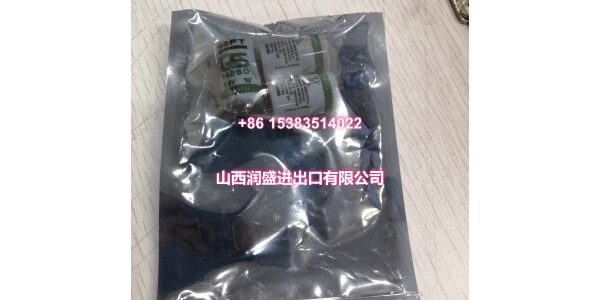
Product Core Brief
- Model:
- Brand: SAFT
- Chemistry: Lithium Thionyl Chloride (Li-SOCl₂), primary/non-rechargeable
- Core Function: Provides long-life 3.6V backup power for real-time clock and memory retention in industrial controllers.
- Product Type: 1/2AA lithium backup battery (not a drive battery, not a UPS, not a rechargeable pack)
- Key Specs: 3.6V | 1.2Ah typical | 1/2AA size | -60°C to +85°C
- Condition: New Original (subject to stock)
Key Technical Specifications
- Nominal voltage: 3.6 V
- Open circuit voltage: Typically >3.67 V at +20°C
- Nominal capacity: 1.2 Ah (1200 mAh); some datasheets list 1.10 Ah depending on test conditions
- Cell size: 1/2AA
- Dimensions: Approx. Ø14.5–14.65 mm × H24.8–25.15 mm (varies by terminal type)
- Weight: Approx. 8.9 g
- Chemistry: Li-SOCl₂ bobbin cell
- Operating temperature: -60°C to +85°C
- Self-discharge: <1% per year at +20°C
- Shelf life: 10+ years
- Rechargeable: No — primary cell only
- Certifications: UL recognized, IEC 60086-4, EN 50020 / IEC 60079-11 (intrinsic safety), RoHS/REACH compliant
- Typical applications: PLC memory backup, RTC power, CNC controller backup, drive parameter retention, metering, alarm systems
Product Introduction (No Fluff)
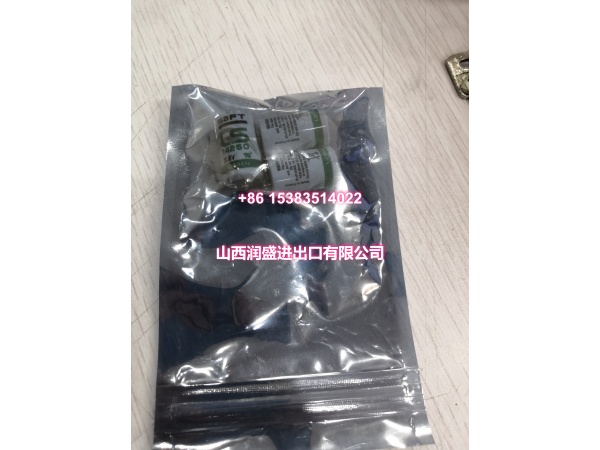
The SAFT LS14250 is a 1/2AA 3.6V lithium thionyl chloride battery widely used as a memory backup and real-time clock power source in ABB and other industrial automation systems. Its low self-discharge rate and wide temperature range make it suitable for long-life installations where controller data retention must survive power-off events.
This is a standard industrial component, not an ABB-branded board. When replacing it in ABB equipment, always verify the original battery holder type, terminal style, and voltage requirement before installation.
QA & Inspection SOP
- Brand and model verification: Confirm SAFT LS14250 marking, 3.6V rating, and 1/2AA size. Beware of look-alike cells with different chemistry or terminal layouts.
- Date code check: Prefer fresh stock. Although shelf life is long, old inventory may show reduced pulse performance.
- Voltage check: Measure open-circuit voltage. A healthy new LS14250 should read above 3.6 V. Significantly lower readings indicate aging or partial discharge.
- Terminal inspection: Check for corrosion, loose pins, solder tabs, or damaged wire leads. Terminal type must match the holder or PCB.
- Leakage and deformation check: Reject any cell with swelling, electrolyte residue, damaged seals, or abnormal odor.
Installation Pitfalls & Guide
❗ Do not recharge. LS14250 is a primary Li-SOCl₂ cell. Charging can cause leakage, venting, or thermal failure.
❗ Do not solder directly to the cell body. Use pre-terminated versions such as 2PF, 3PF, AX, or CN types when PCB or harness mounting is required.
❗ Verify terminal type before ordering. LS14250 is available in standard button-top, PCB pins, flying leads, and radial tabs. The wrong termination will not fit the holder.
❗ Power down before replacement. For PLCs, drives, and controllers, follow OEM procedures. Some systems may lose RTC time or require parameter re-initialization after battery replacement.
Replacement steps:
- Back up controller parameters and note the current RTC time if accessible.
- Power down the controller safely and observe ESD precautions.
- Remove the old battery, noting polarity and holder type.
- Install the new LS14250 with correct polarity.
- Restore power, reset RTC if required, and verify no battery-related alarms remain.
Technical FAQ
1. Is LS14250 an ABB product?
No. It is a SAFT battery commonly used in ABB and other industrial controllers for memory and RTC backup.
2. Can I replace it with a CR2032 or AA battery?
No. CR2032 is 3V coin-cell format, and AA alkaline/rechargeable cells have different voltage, size, chemistry, and safety characteristics. Only replace with a compatible 3.6V 1/2AA Li-SOCl₂ cell unless the OEM explicitly approves an alternative.
3. What happens if the battery dies?
The controller may lose RTC time, date stamps, alarm logs, or SRAM-backed parameters depending on the system design.
4. How often should it be replaced?
Typical service life is 5–10+ years, but actual life depends on standby current, temperature, and pulse load. Preventive replacement is recommended during major maintenance windows.
5. Is it safe to ship?
Yes. LS14250 is generally classified as a non-restricted primary lithium cell for transport, but local regulations and carrier rules should still be confirmed.