Product Core Brief
- Model: 5X00121G01
- Brand: WESTINGHOUSE / Emerson Ovation
- Series: Ovation DCS
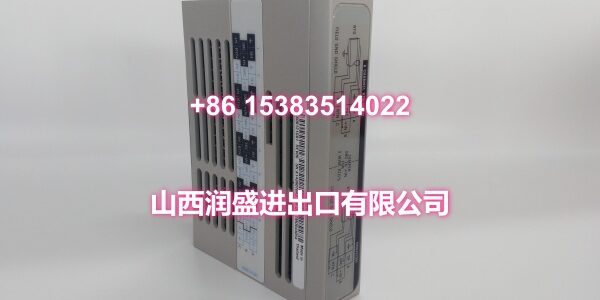
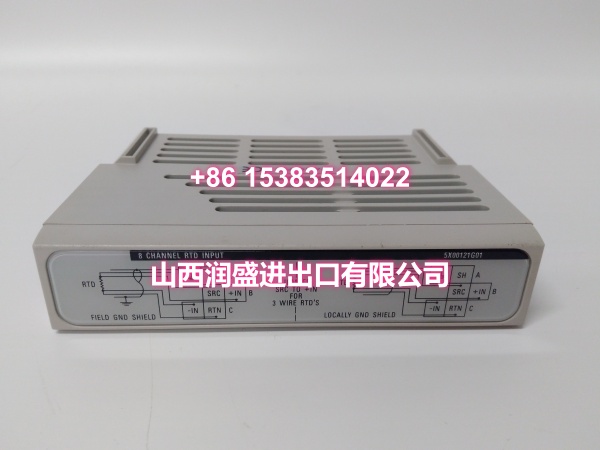
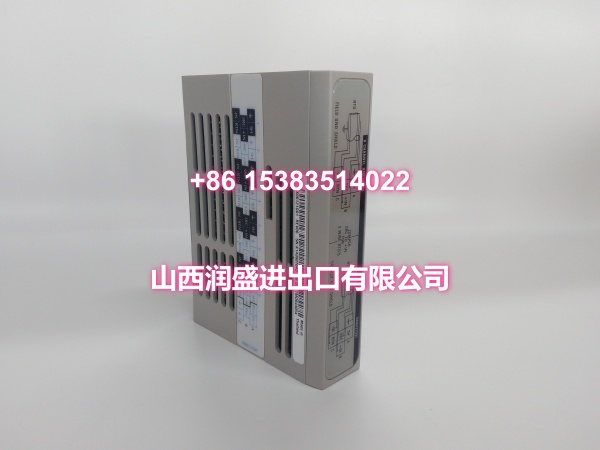
- Core Function: RTD personality module (PMOD) for the Ovation DCS, providing field termination and signal conditioning for RTD temperature inputs when paired with an Ovation RTD electronic module.
- Product Type: DCS RTD Personality Module / PMOD
- Key Specs: 8-channel RTD PMOD | pairs with 5X00119G01 RTD EMOD | PT100 / PT500 / PT1000 family | rack-mounted termination module
- Condition: New Surplus / Tested
Key Technical Specifications
- Part Number: 5X00121G01
- System Platform: Westinghouse / Emerson Ovation DCS
- Module Type: RTD personality module (PMOD)
- Function: Field termination and signal conditioning for RTD inputs
- Channel Count: 8 RTD channels
- Supported Sensors: RTD types such as PT100, PT500, PT1000, Cu50, Cu100 (confirm from label)
- Paired Electronic Module: 5X00119G01 RTD EMOD
- Mounting: Ovation I/O rack / backplane slot
- Compatible System: Westinghouse / Emerson Ovation DCS I/O racks
- Origin: USA
- Condition: Surplus / Tested
- Note: Public documentation for 5X00121G01 is limited. Exact supported RTD types, wiring configuration, and compatibility must be confirmed from the physical label before installation.
Product Introduction (No Fluff)
The 5X00121G01 is an RTD personality module (PMOD) for the Westinghouse / Emerson Ovation distributed control system. It provides field termination and signal conditioning for RTD temperature sensors and is designed to pair with an Ovation RTD electronic module such as the 5X00119G01.
In Ovation I/O architecture, the PMOD/EMOD pairing is important. The PMOD handles field wiring, sensor connection, and signal routing, while the EMOD performs analog-to-digital conversion and controller communication. A damaged PMOD can cause open-circuit readings, channel noise, or poor termination even when the electronic module is healthy.
QA & Testing SOP (Dynamic & Transparent)
PMOD modules are validated as part of the EMOD/PMOD pair because field-side faults often appear as channel errors on the electronic module:
- Label verification: Confirm 5X00121G01 and any sub-designation. Verify it is the correct PMOD type for RTD input, not a TC, AI, or AO personality module.
- Visual inspection: Check the housing, terminal blocks, backplane edge connector, PCB, and LEDs for corrosion, rework, burn marks, or counterfeit indicators.
- Connector inspection: Examine backplane pins and field terminal blocks for bent pins, oxidation, or loose contacts.
- Paired power-up test: Install the PMOD with a compatible 5X00119G01 RTD EMOD in a test rack and verify clean initialization.
- Channel-by-channel RTD simulation test: Apply calibrated resistance values to each RTD channel and confirm correct readings, polarity, lead-wire compensation, and open-sensor detection.
- ESD-safe packaging: After testing, seal the unit in anti-static shielding with moisture barrier protection for shipment.

Installation Pitfalls & Guide (Engineer to Engineer)
❗ Confirm EMOD/PMOD pairing. 5X00121G01 is the RTD PMOD and is typically paired with 5X00119G01 RTD EMOD. Do not install it with a thermocouple, mA, or voltage EMOD.
❗ Match RTD type and wiring. If the loop is configured for PT100 3-wire and the replacement PMOD or wiring is set for 2-wire or PT1000, temperature readings will be offset. Verify software configuration and field wiring.
❗ Check lead-wire resistance. RTD accuracy depends on correct lead-wire compensation. Excessive or unbalanced lead resistance can cause systematic temperature errors even when the module hardware is functional.
❗ Inspect terminal block condition. PMOD failures often originate from corroded terminals, loose screws, or damaged wiring rather than the electronic module itself.
Replacement steps:
- Pre-install: Photograph the existing label, record slot position, channel assignments, RTD type, wiring configuration, and paired EMOD part number.
- Removal: Place affected loops in manual mode if possible, then isolate or power down the rack per site procedure, release the PMOD, and withdraw it straight from the slot.
- Install: Inspect the backplane connector, align the new PMOD, seat it firmly, and reconnect field wiring with correct polarity and lead-wire configuration.
- Power-on test: Restore power, verify LED status, and confirm each channel reads correctly against a known reference or calibrated resistance simulator.
Technical FAQ
What is the 5X00121G01? It is a Westinghouse / Emerson Ovation-series RTD personality module (PMOD) used to terminate and condition RTD temperature signals in an Ovation I/O rack.
What is the difference between 5X00119G01 and 5X00121G01? 5X00119G01 is the RTD electronic module (EMOD), which performs A/D conversion and communicates with the controller. 5X00121G01 is the RTD personality module (PMOD), which provides field termination and signal conditioning. They are typically used together.
Can I use 5X00121G01 with another Ovation AI module? Not automatically. PMOD modules must match the EMOD function. An RTD PMOD should not be paired with a thermocouple, mA, or voltage EMOD.
Is this module still available from the OEM? The Ovation platform is still supported by Emerson, but individual legacy I/O modules may have limited new stock. Surplus and tested units are commonly used for maintenance.
What warranty applies to surplus units? Warranty terms vary by supplier. Some industrial surplus suppliers offer up to 2 years on tested parts, while others provide 12 months. Confirm exact terms before purchasing.