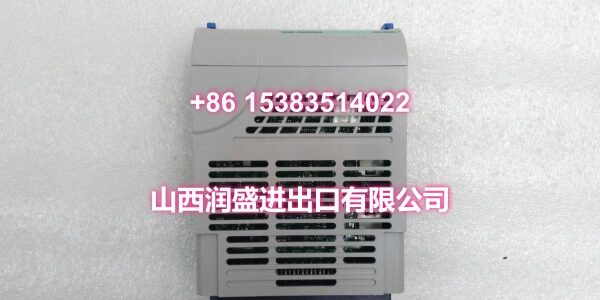
Product Core Brief
- Model: 1C31194G03
- Brand: EMERSON (Ovation / Westinghouse)
- Series: Ovation DCS
- Core Function: Valve positioner electronic module (servo card) that drives turbine control valves via LVDT position feedback and servo valve coil output.
- Product Type: Valve Positioner Electronic Module (Servo EMOD)
- Key Specs: 17VAC LVDT Excitation | ±10VDC Servo Output | 0.4% FS Accuracy
- Condition: New Original / New Surplus
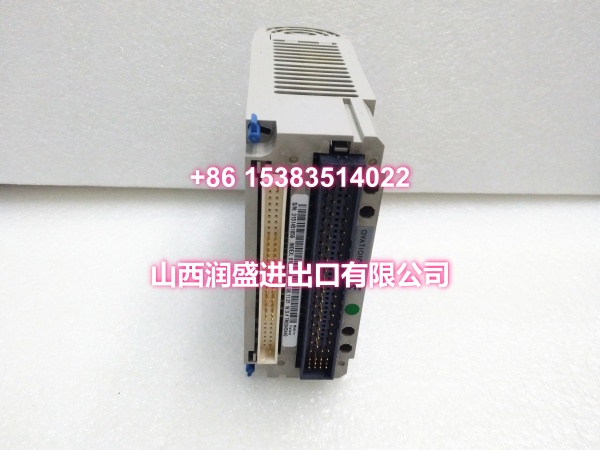
Key Technical Specifications
- LVDT Excitation Output: 17VAC peak-to-peak at 1kHz ±10%
- Servo Valve Coil Drive Output: ±10.0VDC
- Servo Output Accuracy: ±0.4% of Full Scale
- LVDT Position Feedback Input Range: 25VAC peak-to-peak (LVDT A and LVDT B)
- LVDT Input Impedance: 20kΩ differential (floating); 10kΩ single-ended (common reference)
- Field Interface Dielectric Isolation: ±1000VDC between field interface and logic common / Ovation I/O bus
- Short-Term Isolation: 50VDC and 150VDC between valve position field interface and logic
- Operating Temperature: 0°C to +60°C
- Storage Temperature: -40°C to +85°C
- Humidity: 0–95% non-condensing
- Power Supply: Supplied via Ovation backplane (no separate field supply required)
- Compatibility: Ovation 3.5 and higher versions
Product Introduction
The 1C31194G03 is a Valve Positioner Electronic Module (servo card) for the Emerson Ovation DCS. It is the critical interface between the controller’s position command and the physical turbine control valve, generating the LVDT excitation signal and driving the servo valve coil to achieve precise valve positioning. You’ll find this card installed in turbine control racks, boiler feedwater systems, and any application where valve position accuracy directly impacts unit stability.
What sets this module apart is its integrated dual-redundant LVDT input handling and ±1000VDC field-to-logic isolation. The dual LVDT channels (A and B) provide automatic cross-checking of valve position feedback, while the high dielectric isolation protects the Ovation backplane from field-side transients that commonly occur in high-voltage turbine environments. The ±0.4% FS servo output accuracy ensures the valve follows the controller’s setpoint without hunting or steady-state error.
QA & Testing SOP
Servo cards are the most failure-prone I/O in a turbine rack because they handle both sensitive LVDT signals and high-current servo coil drives. Here’s how we verify every unit:
- Visual & Anti-Counterfeit Inspection: We inspect the PCB for burnt traces around the servo output stage, verify the OEM holographic label, and cross-check the silkscreen part number against the Ovation master parts list. Counterfeit servo cards are common in the surplus market and fail catastrophically under load.
- LVDT Excitation Output Test: Using an oscilloscope, we verify the LVDT excitation output is exactly 17VAC peak-to-peak at 1kHz ±10%. A drifted excitation frequency or amplitude causes incorrect position feedback and valve hunting. This is the #1 field failure mode on used cards.
- Servo Output Sweep Test: We command the module through a full ±10VDC output sweep and measure the actual output with a calibrated Fluke multimeter. We confirm the ±0.4% FS accuracy across the entire range and check for output ripple or instability.
- LVDT Input Simulation Test: We inject a simulated 25VAC peak-to-peak LVDT signal into both Channel A and Channel B inputs and verify the module correctly reads the position feedback. We also confirm the 20kΩ differential and 10kΩ single-ended input impedance specs.
- Isolation Resistance Test: Using a megohmmeter, we verify the ±1000VDC dielectric isolation between the field interface and the logic common. Failed isolation is a silent killer—it lets field transients reach the backplane and can take out the entire rack.
- Anti-Static Packaging: Passed units are sealed in static-shielded bags with desiccant, then double-boxed for transit.
Installation Pitfalls & Guide
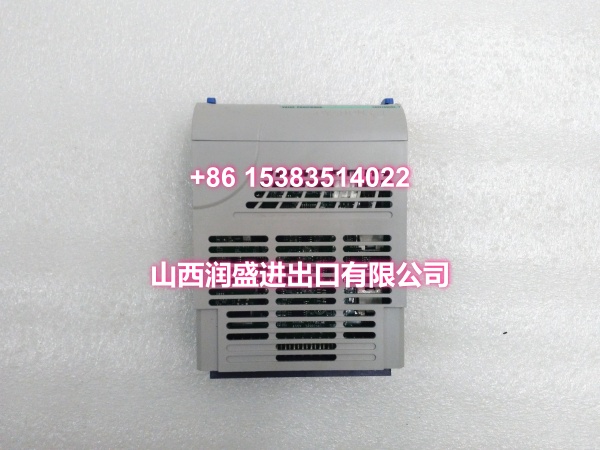
Servo cards are unforgiving. Get one detail wrong and you’ll spend hours chasing a valve that won’t hold position.
- ❗ LVDT Wiring Polarity: LVDT A and LVDT B must be wired with correct polarity. Reversed polarity on one channel causes the module to see the valve moving in the opposite direction, resulting in immediate runaway. Always verify LVDT phasing with a multimeter before energizing.
- ❗ Servo Coil Current Limits: The ±10VDC servo output drives the servo valve coil directly. If the coil resistance is out of spec (too low), the output current will exceed the card’s drive capability and trip the internal protection. Measure the servo coil resistance before connecting a new card.
- ❗ Ground Loop on LVDT Input: The LVDT input is floating (20kΩ differential), but if the LVDT housing or cable shield is grounded at both ends, you’ll create a ground loop that injects 50/60Hz noise into the position feedback. Ground the LVDT cable shield at one end only.
- ❗ Redundancy Matching: If you’re replacing one card in a redundant servo pair, the replacement must have the same firmware revision and configuration as the surviving card. Mismatched cards will prevent redundancy from engaging and may cause a bumpless transfer failure.
4-Step Replacement Guide:
- Pre-Install: Place the turbine control loop in Manual mode. Backup the current Ovation controller configuration. Verify the replacement card’s firmware revision matches the system requirements.
- Removal: Disconnect the field wiring from the terminal block (do not pull wiring while the card is seated). Carefully disengage the locking lever and pull the faulty module straight out of the rack.
- Install: Align the new module with the rack guides and slide it in firmly until the backplane connector seats fully. Engage the locking lever. Reconnect field wiring to the correct terminals, double-checking LVDT A/B polarity.
- Power-on Test: Monitor the Ovation diagnostic screen. Verify the module comes online without faults. Perform a step test: command 25%, 50%, 75%, and 100% valve position and confirm the actual valve position feedback matches the setpoint within ±0.4% FS.
Technical FAQ
Q: What’s the difference between 1C31194G01, 1C31194G03, and 1C31197G01? A: These are all valve positioner servo cards in the Ovation family, but they differ in LVDT excitation voltage and servo output current ratings. The 1C31194G03 and 1C31197G01 both specify 17VAC LVDT excitation and 24.8mA servo output, but they are not always interchangeable—the G03 and G01 suffixes indicate different firmware or hardware revisions. Always match the exact part number called out in your Ovation configuration. The 1C31194G01 uses a different LVDT excitation spec (17V but different current rating). Never substitute without verifying compatibility in your system documentation.
Q: Can I hot-swap this module while the turbine is running? A: The Ovation system supports hot-swapping for I/O modules, but a servo card replacement on a live turbine control loop is extremely high-risk. Even with redundancy, removing the active servo card can cause a momentary loss of valve drive signal. We strongly recommend placing the loop in Manual mode and, if possible, scheduling the replacement during a planned outage. If you must hot-swap, ensure the redundant pair is fully synchronized before removal.
Q: Why does my valve hunt after replacing this card? A: Valve hunting after a card swap is almost always caused by one of three things: (1) LVDT excitation frequency or amplitude is out of spec on the replacement card, (2) LVDT wiring polarity is reversed on one channel, or (3) the servo valve coil resistance has drifted out of spec and the new card’s output is unstable. Run the LVDT excitation test with an oscilloscope first—it’s the fastest way to rule out a bad card.
Q: Is this module compatible with Ovation 4.0? A: The 1C31194G03 was originally designed for Ovation 3.5 and earlier versions. While it may function on Ovation 4.0, Emerson has introduced newer servo card models optimized for the 4.0 platform. If you’re running Ovation 4.0, verify compatibility with Emerson technical support before ordering. For Ovation 3.5 and legacy Westinghouse Ovation systems, this card is a direct drop-in replacement.
Q: What is the warranty on surplus units? A: We provide a 12-month warranty from the date of delivery on both new original and new surplus stock. This covers manufacturing defects, DOA failures, and any spec drift discovered during commissioning. It does not cover damage from improper installation—such as reversed LVDT polarity, servo coil overcurrent, or ESD damage from handling without proper grounding.