Product Core Brief
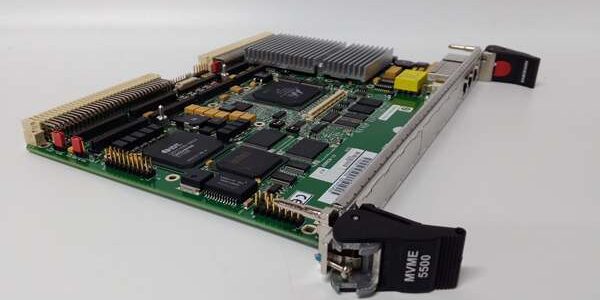
- Model: MVME162-512A
- Brand: Motorola Computer Group (Emerson Embedded)
- Series: Double-High VMEbus 68K Single Board Computer legacy family
- Core Function: Auxiliary distributed VME controller for older 200mm semiconductor etch tools, executing low-speed analog telemetry, valve sequencing, and remote I/O rack polling via IndustryPack mezzanines
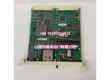
- Product Type: Double-high (6U) VMEbus SBC, legacy Motorola 68040 architecture, IndustryPack mezzanine expansion header
- Key Specs: 32MHz MC68040 (MMU+FPU) | 16MB parity DRAM | 512KB battery-backed SRAM | 4x IndustryPack slots | A32/D64 VME master capability
- Note: OEM fully end-of-life production; only refurbished bench-tested inventory available, no factory-new surplus stock. Not compatible with TCP9400/Kiyo PowerPC-based tool software stacks.
Key Technical Specifications
- Processor: MC68040 32MHz 32-bit CPU, integrated 8KB unified cache, memory management unit, hardware floating-point unit
- Memory: 16MB parity-protected DRAM; 512KB lithium battery-backed SRAM for persistent calibration data
- Non-Volatile Storage: 1MB onboard Flash memory; 8KB battery-backed NVRAM + TOD real-time clock
- VME Bus Controller: VMEchip2 ASIC supporting A16/A24/A32 addressing, D8/D16/D32/D64 BLT block transfers, full VME system arbitration master
- Expansion Mezzanine: Four independent IndustryPack (IP) 32-bit slots, dedicated DMA channel per IP card
- Serial I/O: Dual front-panel UART ports; console fixed EIA-232-D, second port software selectable EIA-232 / EIA-422
- Auxiliary Interfaces: Optional DMA-enabled SCSI bus for local recipe log storage; optional 10Mbps Ethernet transceiver header
- Timing Hardware: Six 32-bit programmable tick timers + hardware watchdog safety timer
- Power Draw: 15–21W continuous full-load draw from VME P1/P2 backplane +5V / ±12VDC rails
- Mechanical Form Factor: Double-high 6U VME Eurocard, dual ejector latches, signal I/O routed through P2 rear connector
- Operating Temperature: 0°C to +70°C standard cabinet; conformal coated variant rated -40°C to +85°C industrial
- Compliance: CE, UL, SEMI S2 certified for legacy 200mm front-end manufacturing equipment
Product Introduction
This legacy 68K VME controller served secondary automation duties on pre-TCP9400 200mm Lam etch platforms, handling low-frequency analog and discrete I/O workloads unsuitable for later PowerPC SBC architectures.Four IndustryPack mezzanine slots allow flexible DAQ and serial expansion without occupying additional VME slots, while battery-backed SRAM retains sensor scaling and interlock thresholds through full chassis power cycles. The MC68040 architecture lacks the throughput required for synchronized multi-axis wafer robot motion control.
QA & Testing SOP (Transparency Building)
- Incoming Inspection: Serial number cross-reference against OEM legacy component databases; visual inspection for swollen lithium backup batteries, cracked P2 connector pins, and corroded IP slot solder pads. All DIP switch positions photographed pre-cleaning.
- Live Bench Testing: Mount to full VME backplane chassis with Fluke 115 tracking rail voltage stability; 24-hour continuous load test running synthetic analog polling and IP card DMA transfer workloads matching legacy tool runtime profiles.
- Electrical Testing: Megger insulation tester verifies serial/IP field I/O isolation exceeds 10MΩ; measure SRAM retention voltage to validate remaining battery service life.
- Firmware & Config Backup: Flash validated MVME162Bug diagnostic firmware matching legacy tool OS releases; dump full SRAM calibration tables to encrypted archive for post-install recovery.
- Final QC & Packaging: Replace expired lithium backup battery as standard refurbishment step; coat exposed contacts with anti-tarnish compound, wrap in anti-static foam, affix QC tag with battery voltage and full POST test results before sealed ESD bag packaging.
Installation Pitfalls & Guide (Engineer to Engineer)
❗ Architecture Mismatch Risk: -512A uses Motorola 68040 instruction set, incompatible with all VxWorks BSPs built for MVME2400/MVME5500 PowerPC hardware. Installing into TCP9400 racks results in unbootable chassis and permanent VME bus handshake failures.❗ Expired Backup Battery Hazard: Original lithium cells degrade after 8–10 years shelf life; dead batteries erase all SRAM calibration data within 30 minutes of full power loss. Confirm battery voltage >2.7V pre-install; refurb units ship with fresh replacement cells.❗ IP Slot DMA Conflict Risk: Each IndustryPack slot uses a dedicated VME interrupt level. Installing more than two high-speed DAQ IP modules creates interrupt contention, cutting analog scan throughput by 70%. Photograph original IP slot layout before removal.❗ P2 Rear Wiring Pinout Difference: MVME712 transition boards for 68K SBCs carry distinct signal assignments vs PowerPC rear transition modules. Cross-check OEM wiring schematic before terminating analog sensor cables to avoid shorted input circuits.❗ Catastrophic ESD Damage Risk: Unshielded 68K CPU cache logic is far more ESD-sensitive than PowerPC hardware; grounded wrist strap and conductive mat mandatory before touching any PCB traces or mezzanine slots.4-Step Replacement Guide:
- Pre-install: Export all legacy auxiliary chamber calibration sets via tool HMI; execute full lockout-tagout, vent chamber vacuum and disable RF power supplies.
- Removal: Release dual ejector latches evenly to avoid bent P1/P2 backplane pins; record DIP switch bank settings, extract IP mezzanines one at a time and place on ESD foam.
- Install: Seat the new unit parallel to backplane, restore DIP switch positions and IP mezzanine slot layout, reattach full P2 transition wiring harness.
- Power-on Test: Apply standby low voltage first, validate MVME162Bug POST completes with zero memory faults, run 30-minute continuous IndustryPack analog scan to confirm stable telemetry capture.
FAQ (Frequently Asked Questions)
Q: Can this unit replace MVME2434 or MVME5500 as primary chamber master for TCP9400/Kiyo 300mm tools?A: No cross-compatibility exists at the firmware/OS layer. The 68040 CPU cannot execute PowerPC-targeted VxWorks binaries used on modern Lam etch platforms. Even with physical slot fit, the tool software stack cannot initialize motion VIOP boards or gigabit Ethernet subsystems.Q: Does this SBC support hot-swapping while the chamber remains pressurized and RF generators active?A: The VMEchip2 ASIC lacks modern hot-swap power sequencing logic. Live removal injects large voltage transients into the backplane, corrupting SRAM calibration data and risking permanent damage to adjacent VME I/O boards. Full chassis power-down is required before extraction.Q: What warranty coverage applies to refurbished stock of this legacy SBC?A: All available inventory is refurbished with a 4-month limited functional warranty. Coverage excludes gradual lithium battery discharge over time; fresh replacement batteries are fitted during refurbishment but carry only 90-day service guarantee. No factory-new OEM stock remains for this model.Q: Will swapping this controller erase stored analog sensor scaling and valve interlock thresholds?A: All calibration data resides in the board’s battery-backed SRAM. If the onboard lithium cell is fully depleted during storage, all offset tables will be lost after power cycling. Export a full parameter backup before disassembly regardless of battery condition.Q: Can this hardware operate on 200mm Lam legacy tools running OS9 or VxWorks 5.x 68K builds?A: Fully compatible with original 68K-targeted operating system releases for older 200mm etch hardware. No driver patches required as long as IndustryPack slot interrupt mapping matches the original removed unit.Q: What expected service window applies to refurbished units in a 24/7 fab environment?A: Target replacement window sits at 32,000 operating hours. Aging VMEchip2 bus ASICs develop timing drift under continuous cabinet heat and 13.56MHz RF exposure, increasing analog telemetry noise floor and triggering frequent false interlock alarms.Q: How many IndustryPack DAQ mezzanines can reliably run simultaneously on this board?A: Maximum stable configuration is two high-channel analog IP cards; four IP slots are physically present, but DMA and interrupt bandwidth limitations degrade scan accuracy when fully populated with high-speed DAQ hardware. Separate interrupt level reconfiguration is required for three or four installed mezzanines.