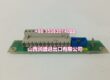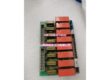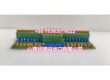
Component Snapshot At-a-Glance
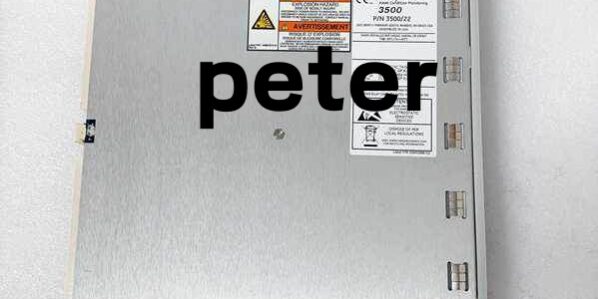
- Model: 3500/22M
- Alt. P/N: 138607-01
- Product Series: Bently Nevada 3500 Machinery Protection System
- Hardware Type: Slot 1 rack-mounted Transient Data Interface (TDI) combined RIM processor
- Key Feature: Merges rack interface and high-resolution waveform capture in one slot, dual Ethernet media
- Primary Field Use: Polls all 3500 monitor cards, streams steady-state and transient vibration data to System 1 software.
Hard-Numbers: Technical Specifications
- Protocol Support: BN native backplane bus, TCP/IP Ethernet, RS-232 config, USB local setup
- Port Count: 1×10/100Base-TX copper Ethernet, 1×100Base-FX fiber, 1×RS-232, 1×USB-B
- Data Rate: Waveform sampling up to 1024 samples per revolution
- Operating Temperature: -30°C to +65°C operating; -40°C to +85°C storage
- Isolation Rating: 1500V backplane-to-communication ports galvanic isolation
- Power Draw: 24VDC backplane, 10.5W typical load
- Onboard Storage: 35 transient waveform capture buffers
- Front Panel Controls: RUN/PROGRAM key lock, rack reset pushbutton, rack address DIP switch
- Relay Output: 1 form-C Rack OK relay (5A @ 120VAC / 24VDC)
- Dimensions (H×W×D): 241.3mm × 24.4mm × 241.8mm
- Weight: 0.8kg
The Real-World Problem It Solves
Legacy separate 3500/20 RIM and external data capture cards waste rack slots and create two single points of communication failure. Discrete hardware causes delayed waveform capture during critical machine transients like startup rubs or load trips.
Where you’ll typically find it:
- Fossil and combined cycle steam/gas turbine 3500 protection racks
- Offshore and refinery high-speed centrifugal compressor monitoring cabinets
- Nuclear plant auxiliary pump and generator condition monitoring systems
This single-slot TDI eliminates extra communication hardware and delivers synchronized high-speed transient data without disrupting rack protection logic.
Hardware Architecture & Under-the-Hood Logic
Self-contained 32-bit communication processor, no dependency on external CPU; occupies mandatory Slot 1 adjacent to rack power supplies. Hot-swap compatible without tripping machine protection relays.
- Regulated 24VDC from rack backplane feeds isolated digital and network circuits.
- High-speed backplane bus continuously polls all installed monitor cards for steady-state vibration, gap, speed, and alarm values.
- Onboard memory buffers triggered transient waveforms during machine events.
- Copper or fiber Ethernet converts raw rack data to TCP/IP packets for System 1 host.
- Key lock logic enforces security: PROGRAM mode locks live data transmission and triggers Rack NOT OK relay.
- Front panel LEDs display power health, network TX/RX activity, trip multiply, and configuration status.
Field Service Pitfalls: What Rookies Get Wrong
Key lock left in PROGRAM mode during normal operationNew technicians swap modules and leave the key set to PROGRAM. The Rack OK relay drops out, triggering plant DCS rack fault alarms and operator notifications.
- Field Rule: Rotate key fully to RUN after all configuration downloads; secure key in RUN position for runtime.
Unoptimized waveform capture parameters overflow onboard bufferEngineers set overly tight ΔRPM trigger thresholds for high-speed rotors. Continuous transient capture fills internal memory and halts all data streaming to System 1.
- Quick Fix: Match ΔRPM range to machine ramp rate; archive captured waveforms to host PC to free TDI buffer space weekly.
Improper industrial Ethernet cabling and missing shieldingRookies deploy unshielded office Cat5e routed parallel to 480V motor power cables. EMI creates constant packet loss, missing spectra, and intermittent rack comms faults.
- Field Rule: Use shielded Cat6 industrial cable; ground shield only at the rack cabinet; separate power and signal cable trays by minimum 30cm.
Commercial Availability & Pricing Note
Please note: The listed price is for reference only and is not binding. Final pricing and terms are subject to negotiation based on current market conditions and availability.