Component Snapshot At-a-Glance
- Model: HIMA F8650X
- Alt. P/N: 984865065
- Product Series: F8000 / H51q Safety Platform
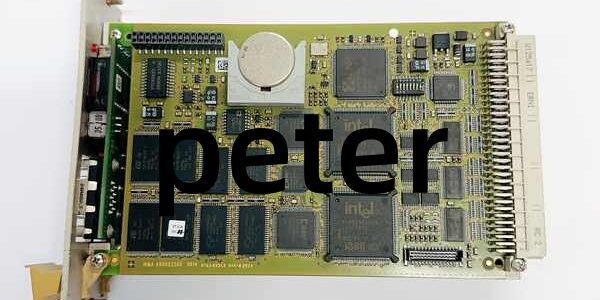
- Hardware Type: Dual-core safety-rated central controller module
- Key Feature: Synchronized dual CPU with hardware comparison for fault detection
- Primary Field Use: Executes safety logic, processes I/O data and runs diagnostics for SIL3 industrial safety systems.
Hard-Numbers: Technical Specifications
- Processor: Dual Intel 386EX, 32-bit, 25 MHz
- Onboard Memory: 1MB OS Flash, 1MB User Flash, 1MB SRAM
- Port Count: 2 × Isolated RS485, 1 × Ethernet interface
- Supported Protocols: Modbus TCP, HIMA safety bus protocol
- Input Voltage: 24VDC (19.2VDC to 28.8VDC operating range)
- Power Draw: 10W typical, powered via chassis 5VDC backplane
- Operating Temperature: -20°C to +60°C
- Isolation Rating: 1500VAC on all communication ports
- Diagnostics: 4-digit LED display, status and fault indicator LEDs
- Form Factor: 8TE standard rack module, hot-swap capable
- Certifications: IEC 61508 SIL3, TÜV, CE
The Real-World Problem It Solves
Single processor controllers cannot validate internal logic operations. Undetected CPU errors lead to incorrect I/O commands and unplanned safety trips across process units.Where you’ll typically find it:
- Refinery ESD racks acting as the primary logic solver for emergency shutdown sequences
- Offshore F&G panels managing flame, gas detection and fire suppression logic
- Power plant BMS racks controlling burner safety, fuel trips and furnace protection circuitsThis dual-CPU design catches internal faults instantly and forces outputs to a predefined safe state.
Hardware Architecture & Under-the-Hood Logic
This module hosts two independent microprocessors and dedicated comparison circuitry. It operates as the main logic core and communicates with all I/O modules over the safety backplane.
- Regulated 24VDC input feeds internal DC/DC converters to power both CPU lanes.
- Both processors execute identical user safety logic in full synchronization.
- Hardware comparator continuously cross-checks all calculation results and output commands.
- Any data mismatch triggers the watchdog circuit and drives all outputs to safe state.
- Fault codes and operational status send to the front-panel display and backplane diagnostics.
- RS485 and Ethernet ports exchange data with HMI, DCS and remote system nodes.
Field Service Pitfalls: What Rookies Get Wrong
Clearing CPU Mismatch Faults Without InspectionTechnicians reset CPU DIFF alarms immediately. Loose backplane pins or electrical noise will repeat the fault and risk unplanned trips.
- Field Rule: Reseat the module and clean edge connectors. Check backplane 5VDC voltage before resetting alarms.
Duplicate Addressing on Serial PortsSetting matching node addresses on both RS485 ports causes bus collisions. Communication drops and I/O timeout faults appear randomly.
- Quick Fix: Assign unique addresses to each serial port. Disable unused ports within the programming software.
Exceeding Backplane Current LoadOverpopulating the rack with high-draw analog modules pulls 5VDC below rated levels. The controller suffers random resets and parity errors.
- Field Rule: Keep total 5VDC load under 8A. Deploy redundant power supplies for full-size I/O racks.
Commercial Availability & Pricing Note
Please note: The listed price is for reference only and is not binding. Final pricing and terms are subject to negotiation based on current market conditions and availability.