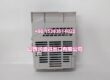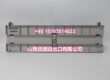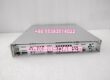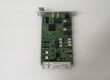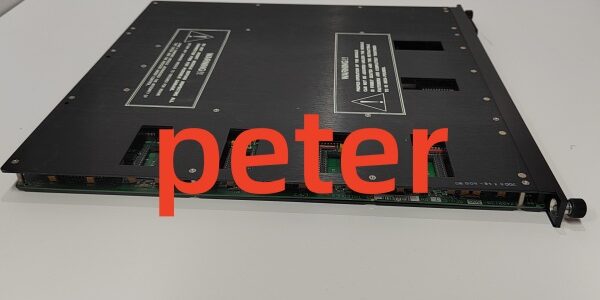
Component Snapshot At-a-Glance
- Model: Triconex 3006
- Alt. P/N: 7400105-100
- Product Series: Tricon 3000 TMR Safety Instrumented System
- Hardware Type: Triple Modular Redundant main processor module
- Key Feature: Three synchronized 32-bit RISC cores with 2-out-of-3 voting and full hot-swap capability
- Primary Field Use: Executes safety logic, manages backplane communication and I/O scanning for SIL3 rated ESD, BMS and process safety systems.
Hard-Numbers: Technical Specifications
- Processor Core: Three independent 32-bit RISC processors running at 25 MHz
- Memory: 128 MB ECC RAM, 2 MB onboard flash memory
- Logic Scan Time: 10 ms to 50 ms, dependent on application program size
- Power Draw: 150 W maximum at 24 VDC input
- Operating Temperature: 0°C to +60°C continuous operation
- Diagnostic Coverage: Greater than 99% for internal and external circuit monitoring
- Communication Protocol: Native TriBus backplane protocol for Tricon I/O and chassis links
- Hot-Swap: Fully supported for online module replacement
- Safety Certification: IEC 61508 SIL3, TÜV, FM, CE, ATEX
- Weight: 0.8 kg
The Real-World Problem It Solves
Single-processor controllers create a single point of failure that can shut down entire safety systems. Older processors also lack robust error checking and cannot be replaced without full system shutdown during faults.Where you’ll typically find it:
- Refinery ESD main racks running complex emergency shutdown and interlock logic
- Power plant BMS and turbine protection cabinets managing combustion and trip sequences
- Offshore platform safety systems controlling process isolation and fire/gas mitigation functionsThis triple-core processor maintains continuous operation through single faults and allows maintenance without process downtime.
Hardware Architecture & Under-the-Hood Logic
This module uses three fully independent processing cores built for TMR operation. It does not rely on external processors and handles all logic execution and bus control locally.
- All three cores load and run identical safety application code in full synchronization.
- Every calculated output and internal state passes through 2-out-of-3 hardware voting.
- Onboard diagnostics continuously compare core operation to detect drift or component failure.
- Validated data transmits across the TriBus backplane to all connected I/O modules.
- Hot-swap circuitry allows one processor to be removed while the remaining two maintain normal operation.
- Status LEDs display overall health, active scan state and individual core faults.
Field Service Pitfalls: What Rookies Get Wrong
Incomplete Module PopulationTechnicians install only one or two 3006 modules. The system cannot complete voting and locks into fault state.
- Field Rule: Always install three matching 3006 modules in the dedicated processor slots. The system will not run on fewer than three units.
Mismatched Firmware RevisionsDifferent firmware versions across the three processors break synchronization and trigger constant fault alarms.
- Quick Fix: Verify and flash identical firmware on all three modules before installation. Document revision numbers on cabinet labels.
Blocked Airflow and OverheatingOvercrowded racks or blocked ventilation slots raise operating temperature and reduce module lifespan.
- Field Rule: Maintain clear front-to-back airflow. Keep ambient cabinet temperature below 60°C and do not stack cables against module surfaces.
Commercial Availability & Pricing Note
Please note: The listed price is for reference only and is not binding. Final pricing and terms are subject to negotiation based on current market conditions and availability.