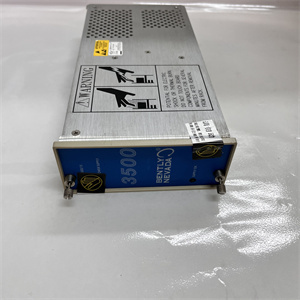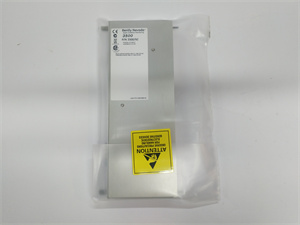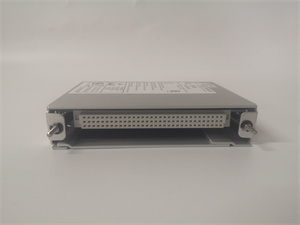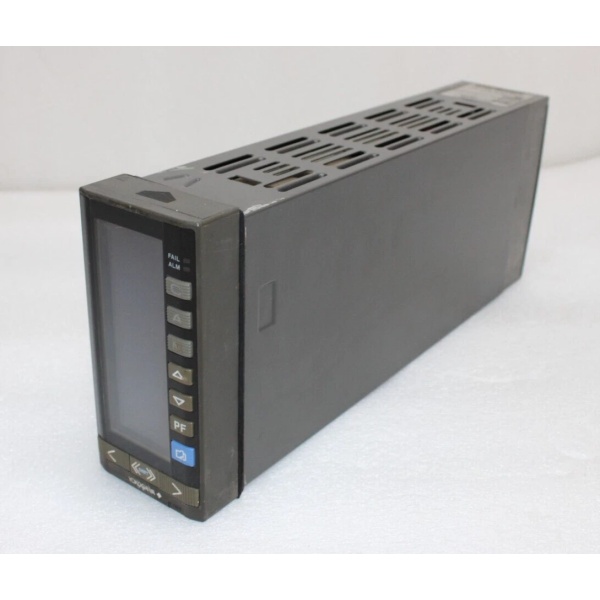
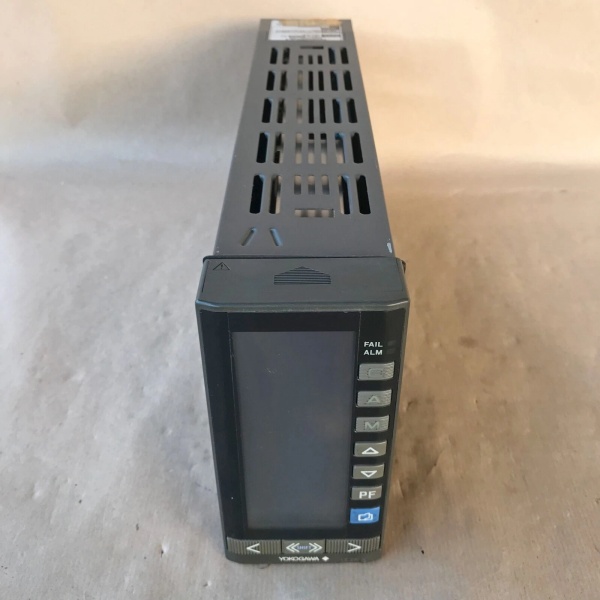
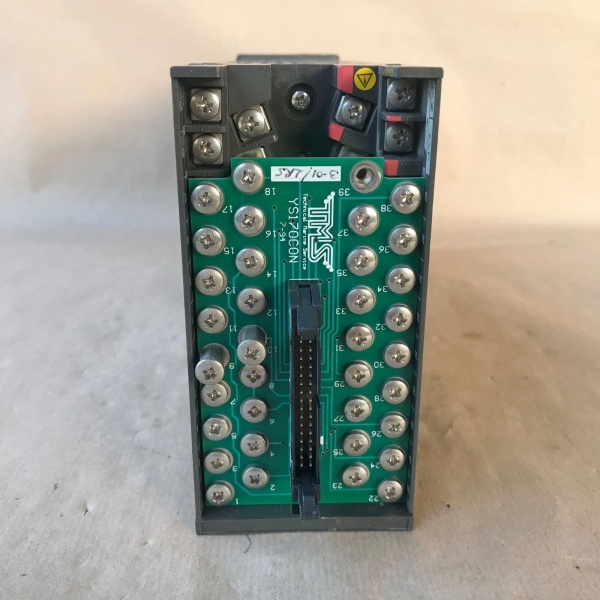
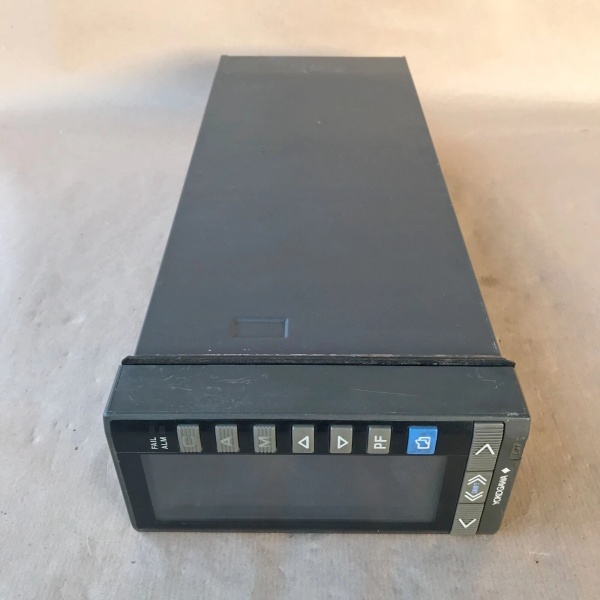
Description
Hard-Numbers: Technical Specifications
- Input Channels: 16 or 32 channels (configurable via card configuration)
- Input Types: Dry contact, voltage (24 VDC), current signals
- Response Time: 1 ms per channel
- Noise Immunity: 5 kV common mode rejection ratio
- Isolation Rating: Channel-to-channel opto-isolation (typically 1500V)
- Power Supply: 24 VDC (supplied from nest)
- Operating Temperature: -20°C to +70°C
- Dimensions: 178 mm (W) × 356 mm (H) × 25 mm (D)
- Weight: 0.7–0.9 kg (depending on configuration)
- Mounting Type: Vertical mounting in CENTUM-XL S/C nest

Y170-S4-012
The Real-World Problem It Solves
The red FAULT light blinks in the relay I/O cabinet and you’re hunting for the one failed contact among hundreds of field devices. The ST4*D card eliminates this headache by providing isolated, high-speed digital input acquisition in a compact dual-layer assembly that fits standard CENTUM nests.
Where you’ll typically find it:
- CENTUM-XL and CENTUM-CS DCS systems with S/C relay I/O nests
- Emergency shutdown (ESD) panels requiring multi-status contact inputs
- Field device monitoring banks where limit switches, pressure switches, and solenoid status feedbacks aggregate
You get 32 channels in a single slot, freeing up cabinet space while keeping your signal integrity intact.
Hardware Architecture & Under-the-Hood Logic
The ST4*D is a dual-layer printed circuit board assembly designed for vertical mounting in CENTUM S/C nests. It doesn’t have its own microprocessor for control logic; instead, it acts as a pure signal acquisition interface, passing digitized status directly to the DCS backplane through the nest connector. The card is isolated from field power, relying on the nest for 24 VDC and using opto-isolators to protect the DCS from ground loops and voltage spikes.
- Field signal enters through terminal block connections to the nest
- Input signal passes through input filtering and protection circuitry
- Opto-isolators separate field circuitry from DCS logic (prevents ground faults)
- Digitized status data is routed to the backplane via nest connector
- DCS CPU polls the input status based on configured I/O address
Y170-S4-012
Field Service Pitfalls: What Rookies Get Wrong
Wrong Nest WiringMixing input and output cards in the same nest without checking fuse ratings causes blown fuses and intermittent signal loss. The nest provides power distribution; if you overload a shared fuse, half your bank goes dark.
- Field Rule: Verify fuse rating on the nest matches your total card load before energizing.
Dry Contact vs. Voltage ConfusionWiring a 24 VDC proximity switch to a dry-contact input without providing loop power results in phantom readings or stuck bits. The card expects either a clean contact closure or a powered voltage signal—not both on the same channel.
- Quick Fix: Check the card configuration and jumpers for voltage-sensing mode before connecting powered field devices.
Missing Shield GroundsRunning unshielded multicore cable from the field to the nest creates noise issues that show up as erratic status flickering. The card has 5 kV noise immunity, but that rating assumes proper grounding practices at the field device end.
- Field Rule: Terminate shield drains at the cabinet ground plate only—never daisy-chain through multiple devices.
Commercial Availability & Pricing Note
Please note: The listed price is for reference only and is not binding. Final pricing and terms are subject to negotiation based on current market conditions and availability.