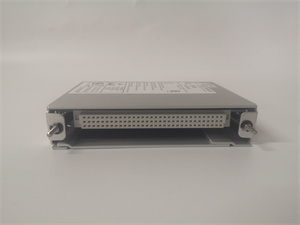
Description
Hard Numbers: Technical Specifications
- Control Input Signal: 0–200 mA DC
- Work Output: 8.1 Joules (6 ft-lb) typical
- Operating Pressure: 689 kPa (100 psi) nominal (utilizes prime mover lubrication oil)
- Hydraulic Fluid Requirements: ISO 32 or 46 petroleum-based anti-wear hydraulic oil
- Operating Temperature Range: -40°C to +93°C (-40°F to +200°F)
- Physical Dimensions: 203 mm H x 152 mm W x 102 mm D (8.0″ x 6.0″ x 4.0″)
- Unit Weight: 5.8 kg (12.8 lbs)
- Electrical Connection: MIL-style circular connector
- Mechanical Linkage: Direct mount with adjustable stroke
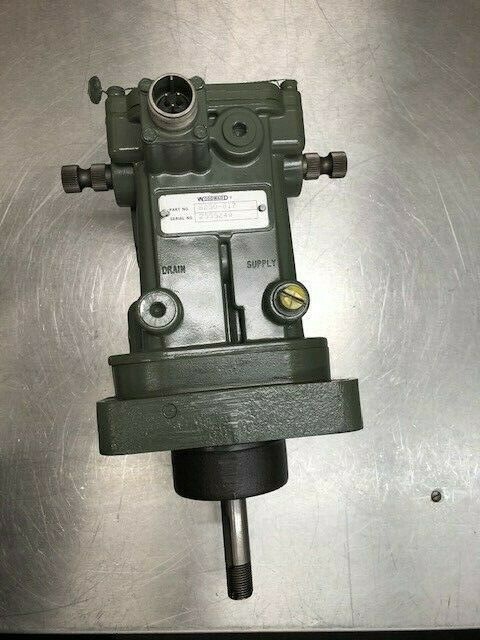
The Real-World Problem It Solves
Electric actuators burn out when they stall against a heavily loaded diesel fuel rack. Pneumatic actuators lack the stiffness and precision required for isochronous load sharing in parallel generator setups. The 8250-565 bridges this gap by using the engine’s own pressurized lubricating oil to create a stiff, high-torque hydraulic actuation system. It takes the weak 0-200mA command from your governor and multiplies it into pure mechanical force, capable of moving stubborn fuel injection pumps or large butterfly valves without overheating or drifting.
Where you’ll typically find it:
- Bolted directly onto the side of a EMD or Caterpillar diesel generator, pushing the fuel rack.
- Mounted on small mechanical-drive steam turbines in food processing plants, controlling the main throttle valve.
- Installed in skidded compressor packages in the middle of nowhere, running day and night because there’s no electronics inside to fry from the heat.
It eliminates the physical fight between the governor and the fuel system, ensuring your prime mover responds exactly when the load demands it.
Hardware Architecture & Under-the-Hood Logic
There are no microchips or software bugs hiding inside this actuator. It is a pure, field-serviceable analog device that relies on fluid dynamics and magnetic fields.
- Current-to-Force Conversion: The incoming 0-200mA signal energizes a voice-coil style electromagnetic drive. The strength of this magnetic field pushes directly against a precision-ground spool valve.
- Pilot Valve Actuation: As the spool valve shifts, it directs high-pressure engine oil into either side of a power piston. The size of the oil passage opened by the spool determines the speed and force of the piston’s movement.
- Bypass Compensation: An integrated needle valve (the compensation adjustment) allows a small amount of oil to bleed past the spool. This creates damping, preventing the actuator from oscillating (hunting) when it gets close to the target position.
- Mechanical Feedback: As the power piston moves, it mechanically recenters the pilot spool valve via a spring linkage. Once the output shaft reaches the position commanded by the input current, the spool valve closes off the oil flow, locking the actuator firmly in place.
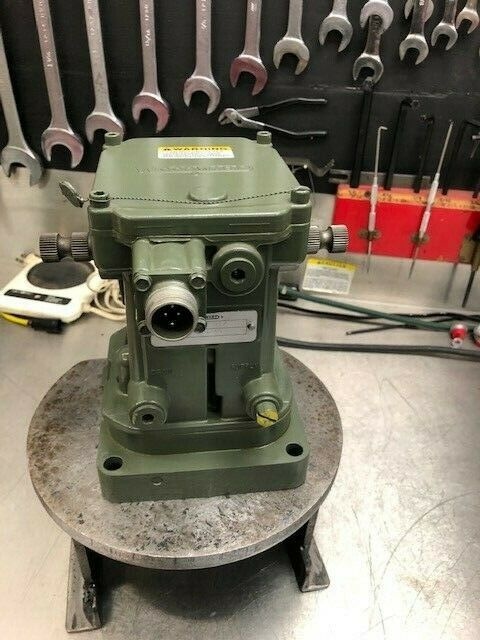
Field Service Pitfalls: What Rookies Get Wrong
Starving the Actuator Due to Clogged Inlet Screens
Rookies assume that because the actuator uses the engine’s oil system, it will always have enough pressure. They ignore the small mesh screen on the actuator’s oil inlet port. Over time, sludge and metallic particles from the engine accumulate in the screen. Flow restriction causes the actuator to become sluggish, leading to massive speed droop under load transitions.
- Field Rule: During every 500-hour routine service, pull the oil inlet line and clean the screen. If the engine has been overhauled recently, check it after the first 50 hours of operation. A starving actuator is a slow-acting actuator.
Over-Tightening the Mechanical Linkage to the Fuel Rack
Because the 8250-565 is incredibly powerful, rookies often bolt the actuator output arm directly to the engine’s fuel rack with zero flexibility. As the engine block heats up and expands, the rigid linkage puts side-load on the actuator’s internal piston. This causes the actuator to bind, requiring excessive current just to hold its position.
- Quick Fix: Always install a high-quality ball-joint or heim joint in the linkage. Adjust the actuator stroke so that it has roughly 10% to 15% extra travel at both ends of the scale. This absorbs thermal expansion and saves the internal seals from premature blowouts.
Chasing “Hunting” by Closing the Bypass Needle Valve
When an engine starts hunting for RPM, rookies immediately reach for a screwdriver and close down the bypass compensation needle valve on the side of the 8250-565, thinking they need more damping. This actually traps the oil inside the piston chamber, making the actuator jerky and unresponsive.
- Field Rule: If the engine is hunting, the actuator is likely fine. Check the prime mover itself. Is the propeller load varying? Is the generator experiencing cyclic loading? Open the bypass valve slightly until you hear a smooth, dampened hiss of oil, then lock the jam nut. The actuator should feel stiff, but not frozen.
Commercial Availability & Pricing Note
Please note: The listed price is for reference only and is not binding. Final pricing and terms are subject to negotiation based on current market conditions and availability.