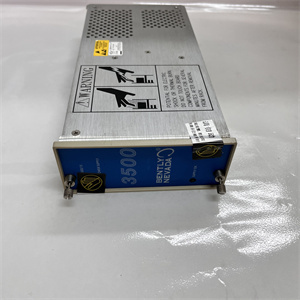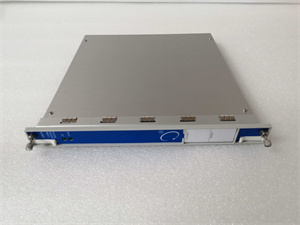
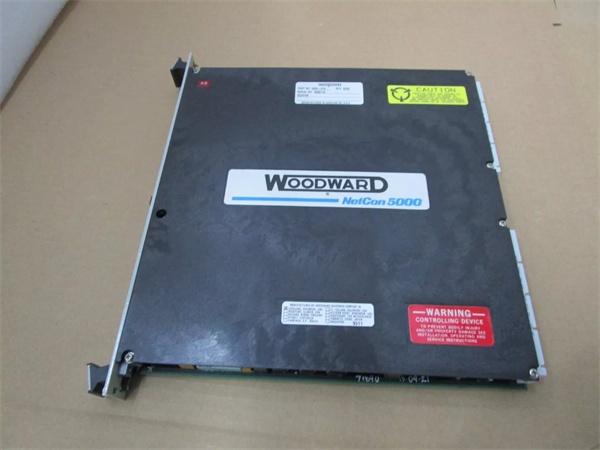
Description
Hard Numbers: Technical Specifications
- Power Supply Input: 20-40 V DC (Low Voltage) or 90-150 V DC / 88-132 V AC (High Voltage)
- Power Consumption: 15 W Typical
- Actuator Output Drive: ±40 mA to ±200 mA (selectable ranges)
- Feedback Inputs: Dual LVDT, RVDT, or Potentiometer (0-135 V RMS excitation)
- Control Inputs: 4-20 mA, 0-10 V DC, or PWM
- Operating Temperature: -40°C to +70°C (-40°F to +158°F)
- Isolation Rating: 500 V AC (I/O to Chassis Ground)
- Communication: RS-232 (Service Port), CAN Bus (Optional)
- Physical Dimensions: Approx. 9.5″ x 6.5″ x 2.5″ (Panel Mount)
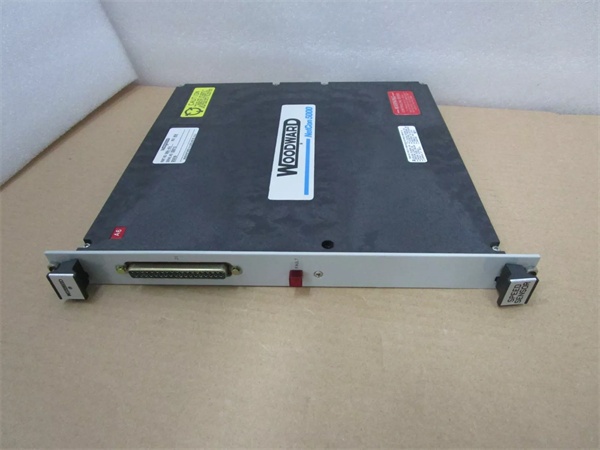
WOODWARD 5464-648
The Real-World Problem It Solves
Mechanical linkages on fuel racks wear out, develop slop, and introduce deadly hysteresis into your control loop. This module kills that problem by replacing the mechanical connection with a closed-loop electronic one. It ensures the valve goes exactly where the CPU tells it to, every single time, regardless of temperature swings or mechanical friction.
Where you’ll typically find it:
- Bolted to the side of a GE Frame 5 or Frame 7 gas turbine enclosure, driving the gas fuel valve.
- Inside a marine propulsion control cabinet, managing the main engine throttle actuator.
- On compressor skids, controlling anti-surge valves to prevent aerodynamic stall.
It turns a sloppy mechanical system into a precise, repeatable, and diagnosable digital control loop.
Hardware Architecture & Under-the-Hood Logic
This isn’t just an amplifier; it’s a dedicated motion controller with its own brain. It handles the high-speed math so your main turbine control processor doesn’t have to.
- Demand Processing: The module takes the analog demand signal (4-20mA) from the main controller and filters it to remove electrical noise before any processing occurs.
- Feedback Comparison: It simultaneously energizes the LVDT primary coil and reads the secondary coils. It compares the actual valve position against the demanded position to calculate a real-time error value.
- PID Execution: The internal microprocessor runs a high-speed PID loop. It adjusts the output current to the servo valve to minimize the error, compensating for mechanical stiction or changes in hydraulic pressure.
- Health Monitoring: If the valve doesn’t reach the target position within the defined window, or if an LVDT fails, it triggers a fault output and can drive the valve to a safe, pre-programmed fail-safe position.
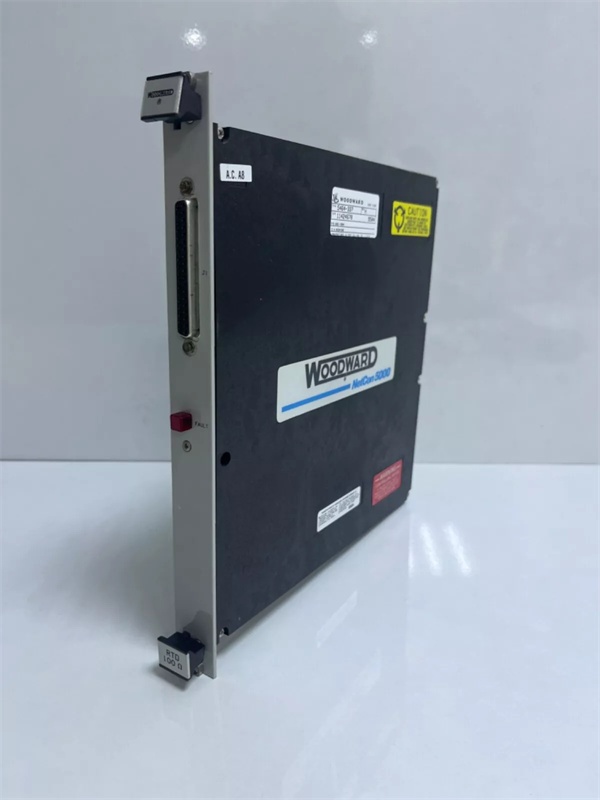
WOODWARD 5464-648
Field Service Pitfalls: What Rookies Get Wrong
Wiring the LVDT Out of Phase
Rookies hook up the LVDT feedback wires based on color codes alone. They energize the system, and the module sees the valve moving in the opposite direction of the command. The PID loop goes into a death spiral, slamming the valve from full open to full closed, often damaging the valve seats.
- Field Rule: Never trust wire colors. Perform a polarity check by manually moving the valve while watching the feedback signal on the module’s display or software. If the feedback decreases when the valve opens, swap the secondary leads. The feedback must increase as the valve opens.
Ignoring the “Dither” Setting
Electro-hydraulic servo valves stick. Rookies disable the dither function to stop the annoying hum or because they think it’s unnecessary. When the valve sticks, the PID loop overshoots, causing the turbine to hunt for speed or exhaust temperature, leading to a trip.
- Quick Fix: Set the dither frequency to match the natural frequency of the servo valve (usually 50-150 Hz). The dither amplitude should be just enough to make the valve vibrate imperceptibly. This breaks static friction and ensures instantaneous response.
Using the Wrong Power Supply Tap
The 8239-065 supports wide-range input, but rookiеs grab whatever 24V or 125V is handy in the cabinet. They tap into a supply that also feeds solenoids or contactors. When a large contactor pulls in, the voltage sags, the 8239-065 resets, and the actuator drops out, causing a nuisance turbine trip.
- Field Rule: Give this module its own dedicated fused disconnect from the station battery or a clean, regulated power supply. Check the input voltage under full load conditions with a scope. If you see more than a 2V dip when other gear cycles, your power supply is undersized or shared with noisy loads.
Commercial Availability & Pricing Note
Please note: The listed price is for reference only and is not binding. Final pricing and terms are subject to negotiation based on current market conditions and availability.