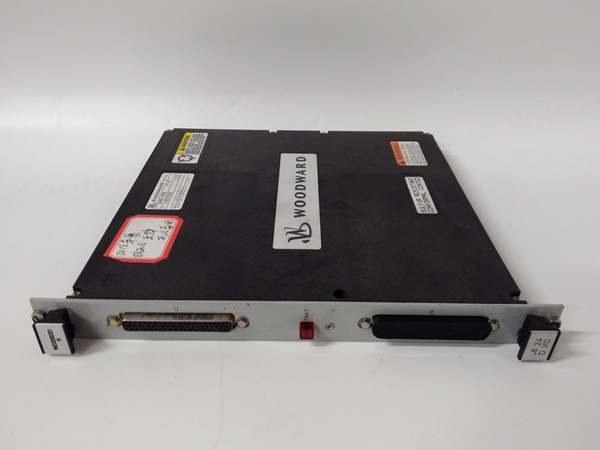
Description
Hard-Numbers: Technical Specifications
- Protocol Support: Analog Command Input (±10V or 4-20mA), SAE J1939 (Optional depending on system integration)
- Port Count: 1x Command Input, 1x Feedback Input, 1x Hydraulic Pilot Output
- Baud/Data Rate: 250 kbps (CAN bus, if applicable)
- Operating Temperature: -40°C to +85°C
- Isolation Rating: 1500V between control electronics and power/hydraulic grounds
- Power Draw: 18V to 32V DC (Typical 24V DC aerospace/marine standard), <5A peak
- Control Accuracy: ±0.5 degrees of commanded pitch angle
- Response Time: <150ms full stroke from min to max pitch
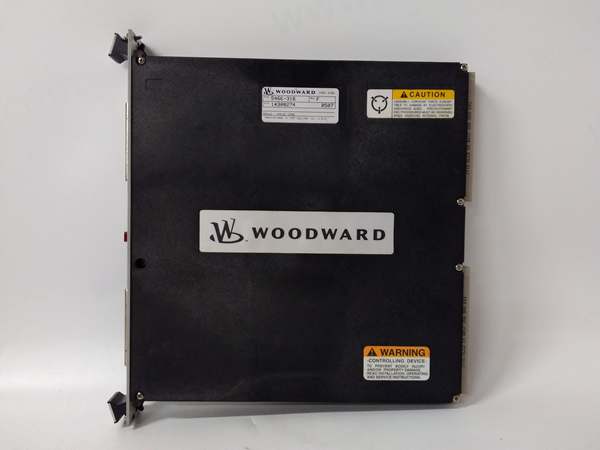
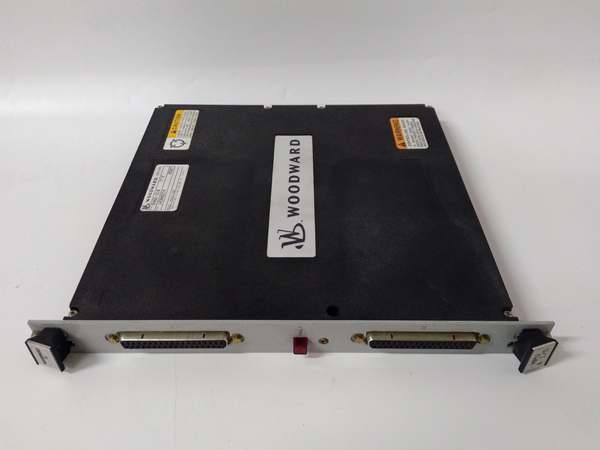
Woodward 5466-1045
The Real-World Problem It Solves
A variable-pitch propeller without precise closed-loop control is a liability. It will either over-speed the engine or drag it down below operating RPM during sudden throttle changes. The 80- eliminates this by acting as the brain of the pitch control system, constantly adjusting the propeller blade angle to maintain optimal engine load and rotational speed.
Where you’ll typically find it:
- Mounted in the engine nacelle of turboprop aircraft, directly controlling the propeller governor valve.
- Integrated into the propulsion control cabinets of marine vessels with controllable-pitch propellers (CPP).
Bottom line: It decouples engine speed from vessel/aircraft speed, allowing the power plant to operate at peak efficiency regardless of external load.
Hardware Architecture & Under-the-Hood Logic
This unit is a dedicated, microprocessor-based servo controller. It takes a speed or torque demand from the throttle or gas generator control, processes it against actual propeller feedback, and drives a hydraulic servovalve to physically move the propeller blades.
- Receives the commanded setpoint (either electronically from a cockpit lever or via analog voltage).
- Reads the actual propeller blade position via a synchro or RVDT feedback transducer.
- Calculates the positional error and runs it through a proprietary damping algorithm to prevent hydraulic oscillation.
- Outputs a modulated drive current to the hydraulic pilot valve or electric actuator.
- Monitors the system for faults (e.g., loss of feedback, valve short-circuit) and triggers a failsafe mode to drive the prop to a feather or fine pitch position.
Field Service Pitfalls: What Rookies Get Wrong
Hydraulic Contamination
Installing a new 80- without flushing the aircraft/marine hydraulic lines first is a rookie mistake. Microscopic debris will destroy the tight tolerances of the pilot valve.
Field Rule: Always install a 10-micron nominal filter in the pilot pressure line and flush the system until beta ratios are within spec before connecting the controller.
Feedback Loop Polarity
Wiring the propeller position feedback (RVDT/Synchro) with the wrong polarity causes the system to become positive-feedback. Instead of correcting the pitch, it will drive the blades to the stops.
Quick Fix: Before applying full system power, perform a “hand-over” test. Manually move the feedback linkage and watch the direction indicator on the controller; it must match the physical movement of the propeller hub.
Improper Mechanical Linkage Alignment
Forcing the control linkages to fit without proper alignment puts side-load on the hydraulic spool valve, causing premature wear and deadband issues.
Field Rule: Adjust the turnbuckles so the linkage is perfectly centered at the null (feather) position. Use a dial indicator to verify the mechanical stroke matches the electrical stroke command 1:1.
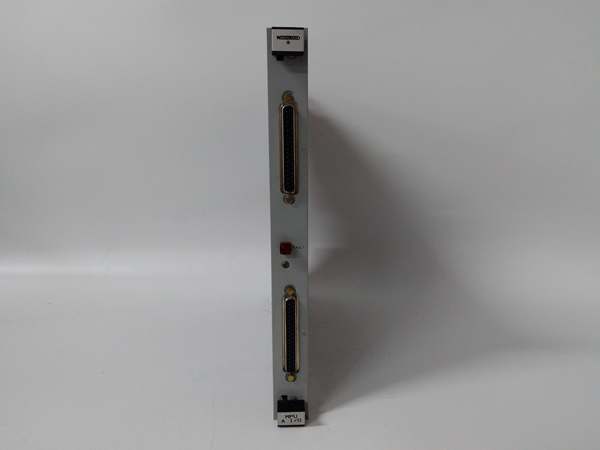
Woodward 5466-1045
Commercial Availability & Pricing Note
Please note: The listed price is for reference only and is not binding. Final pricing and terms are subject to negotiation based on current market conditions and availability.