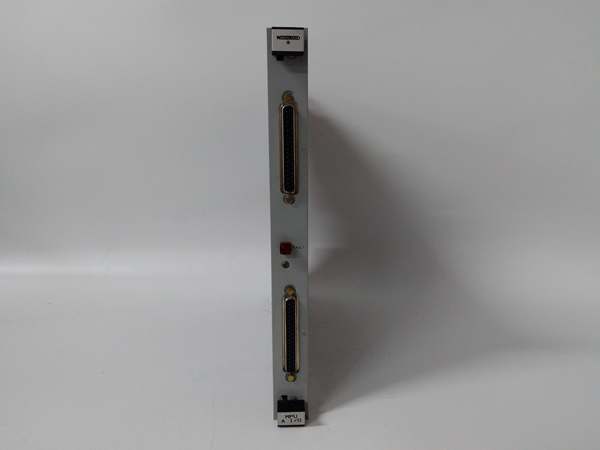
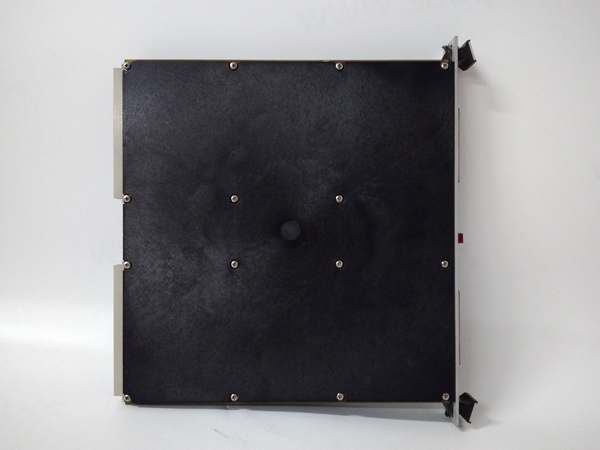
Description
Hard Numbers: Technical Specifications
- Processor Architecture: 32-bit High-Performance RISC / PowerPC-based Microprocessor
- Memory: 128 MB to 256 MB RAM (Runtime), 32 MB to 64 MB Flash (Firmware & Logging)
- System Redundancy: Triple Modular Redundant (TMR) with hardware-based 2oo3 voting
- I/O Scan Time: Deterministic, typically < 10 milliseconds for critical control loops
- Communication Interfaces: Dual Redundant Ethernet (Modbus TCP), RS-232/485, CANopen, DeviceNet
- Time Synchronization: Supports IEEE 1588 Precision Time Protocol (PTP) for distributed control
- Power Supply: 18-32 V DC (24V DC Nominal via Chassis Backplane)
- Operating Temperature: -40°C to +70°C (-40°F to +158°F)
- Vibration/Shock Compliance: MIL-STD-810 compliant
- Programming Environment: Woodward GAP (Graphical Application Programmer)
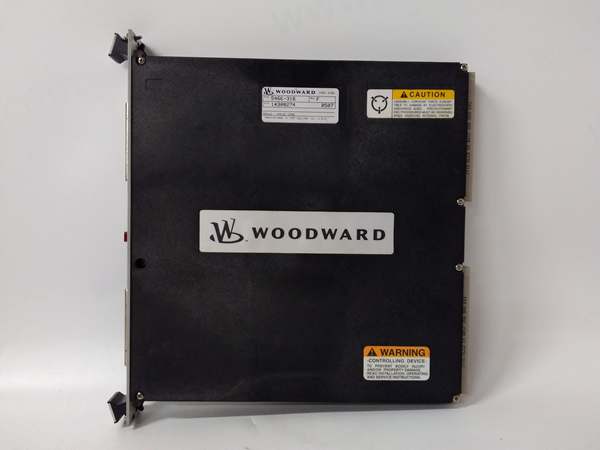
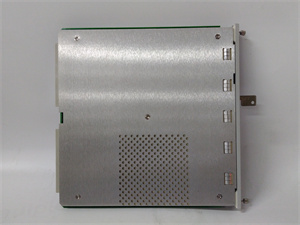
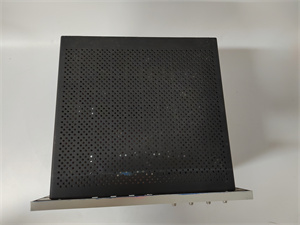
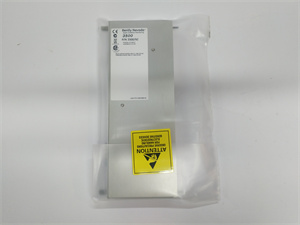
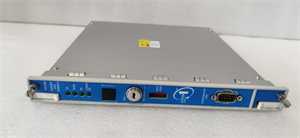
WOODWARD 5466-1002
The Real-World Problem It Solves
In critical infrastructure—like a gas compression station or a utility-scale power plant—a single-point CPU failure isn’t just an inconvenience; it’s a catastrophic event that can lead to millions of dollars in lost revenue and potential environmental hazards. Standard redundant systems (1+1) require a switchover time, which can cause process upsets. The Woodward 5466-1002 eliminates this vulnerability through Triple Modular Redundancy (TMR). It runs three identical processors in parallel, cross-checking every calculation and I/O value. If one processor fails or drifts out of spec, the other two outvote it, allowing the turbine to continue running seamlessly while alerting maintenance to replace the faulty module—all without interrupting the process.
Where you’ll typically find it:
- In the heart of a Frame 7EA or Frame 9E gas turbine control panel, managing fuel stroke references and exhaust temperature spreads.
- Controlling the anti-surge recycle valves on high-speed centrifugal compressors in LNG liquefaction plants.
- Embedded in marine propulsion systems where redundancy is mandated by classification societies (DNV, ABS) to prevent mid-ocean propulsion loss.
It replaces vulnerable single-processor architectures with a fault-tolerant fortress, ensuring your rotating equipment never misses a heartbeat.
Hardware Architecture & Under-the-Hood Logic
This isn’t your average PLC CPU; it’s a specialized, deterministic execution engine built for high-speed prime mover control. The magic lies in its ability to process data in triplicate without slowing down the control loop.
- Triplicated Input Acquisition: The module reads inputs from the I/O racks three times independently. These readings are synchronized and passed through a hardware voter. If one reading is garbage due to a transient fault, the voter discards it based on the 2oo3 consensus.
- Parallel Processing Execution: Three identical 32-bit processors execute the GAP control logic simultaneously. They calculate actuator positions, PID loops, and sequencer states in parallel.
- Hardware Output Voting: Before sending a command to the actuator (e.g., a servo valve), the outputs of the three processors are compared. A hardware voter ensures that only the agreed-upon command reaches the output drivers, preventing a rogue processor from moving a valve erratically.
- Deterministic Communication: The CPU manages the backplane bus and external networks, ensuring that SCADA updates and peer-to-peer communications occur at fixed, predictable intervals, which is crucial for grid stability and load sharing.
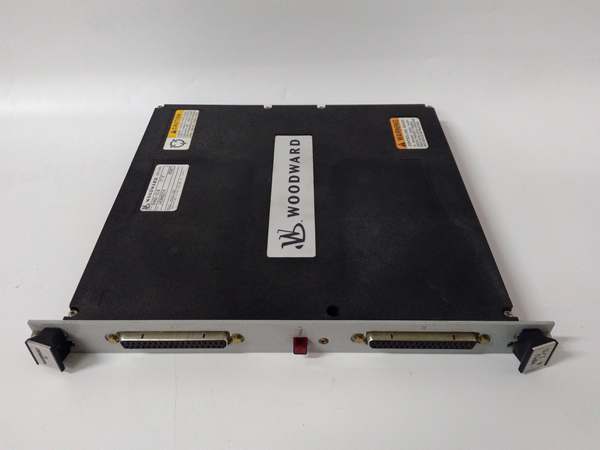
WOODWARD 5466-1002
Field Service Pitfalls: What Rookies Get Wrong
Ignoring the “Discrepancy” Alarms Until It’s Too Late
Rookies see a “Processor Discrepancy” or “Voter Error” alarm on the 5466-1002 and, seeing that the turbine is still running fine, they acknowledge it and carry on with their shift. Two weeks later, a second processor drifts out of tolerance, turning a manageable single-fault into a catastrophic system trip because the 2oo3 logic collapsed into a failed state.
- Field Rule: A single discrepancy alarm means you are already running on borrowed time. The system is masking a fault, but it has lost its redundancy. Log the alarm, notify engineering, and schedule a hot-swap replacement during the next available maintenance window. Never operate in a degraded TMR state longer than absolutely necessary.
Mismatching Firmware Versions During a Hot-Swap
When a CPU fails, the rookie grabs a spare 5466-1002 from the shelf, inserts it into the live rack, and expects the system to automatically synchronize. Instead, the new CPU throws a “Firmware Mismatch” error and refuses to boot, or worse, forces a full system restart because the hardware IDs don’t match the surviving processors.
- Quick Fix: Before swapping a TMR CPU, check the exact firmware revision (e.g., v5.x vs v6.x) and hardware revision of the failed unit. You cannot mix and match major firmware versions in a TMR set. If the spare doesn’t match, you must either find an identical spare or plan a coordinated shutdown to update all three processors simultaneously.
Overloading the Processor with “Chatty” SCADA Comms
Rookies configure the Modbus TCP/IP port to poll every single internal variable, including hundreds of unused alarms and diagnostic tags, at a 500ms scan rate. The 5466-1002 is an industrial powerhouse, but it has finite resources. The excessive network traffic causes the processor utilization to spike above 80%, leading to missed control loop scans and erratic actuator movement.
- Field Rule: Respect the deterministic nature of the CPU. Configure your SCADA polls to read only essential process variables (Setpoints, Actuals, Status bits) at a reasonable rate (1-2 seconds). Offload non-critical data logging to a historian with a separate scan group. Keep the CPU’s focus on what matters: controlling the turbine.
Commercial Availability & Pricing Note
Please note: The listed price is for reference only and is not binding. Final pricing and terms are subject to negotiation based on current market conditions and availability.