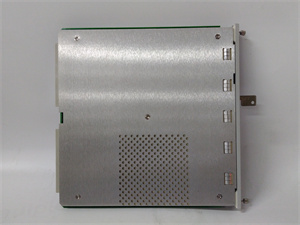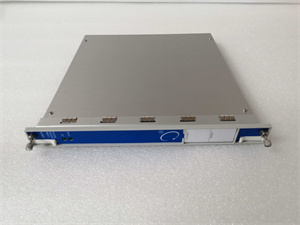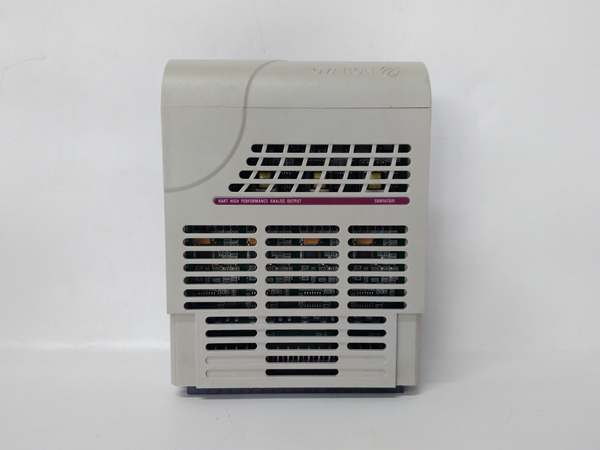
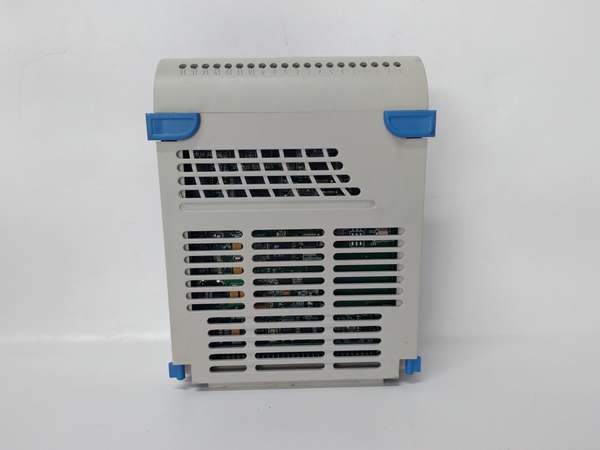
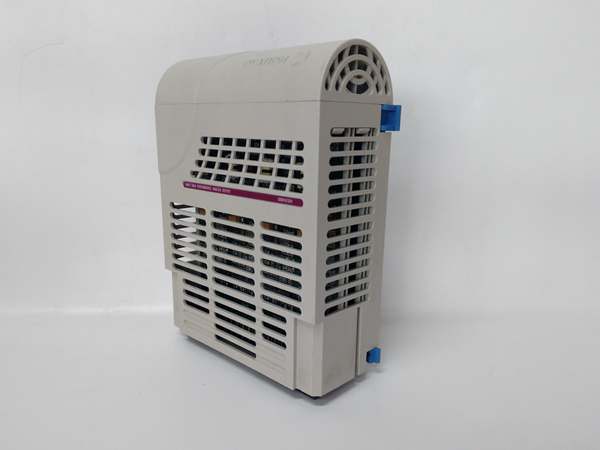
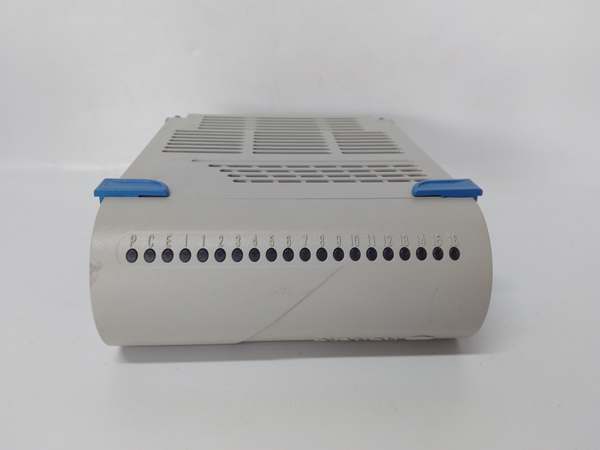
Description
Key Technical Specifications
-
Model Number: 5X00167G01
-
Manufacturer: Emerson (formerly Westinghouse)
-
Channels: 16 isolated digital I/O (sink or source, field-selectable)
-
Operating Voltage: 220 VAC (±10 %)
-
Output Frequency: 30 kHz ±2 % (carrier)
-
Isolation: 2 kVrms channel-to-bus; 500 V channel-to-channel
-
Input Range: 12–240 VDC / 90–230 VAC (field-selectable)
-
Response Time: <3 ms typical
-
Surge Protection: 4 kV IEC 61000-4-5
-
Power Consumption: 8 W typical
-
Operating Temperature: –40…+85 °C
-
Protection Degree: IP67 module rating; conformal-coated PCB
-
Dimensions / Weight: 121 × 51 × 166 mm, 0.34 kg
-
Communication: On-board Modbus-RTU (RS-485)
-
Status: Factory discontinued – new & tested spares available
Field Application & Problem Solved
In combined-cycle plants the biggest headache is landing sixteen digital signals—turbine trip relays, breaker auxiliaries, valve limit switches—without stuffing multiple cards in the rack and still meeting fast response times. The 5X00167G01 solves that by living in the remote node: it accepts 12–240 VDC or 90–230 VAC directly from the field, transformer-isolates each channel, and pushes the data onto the 30–50 kHz carrier. You’ll typically find one per remote pump house or compressor skid on Frame-7/9 peakers—swap time is under two minutes with the unit on turning gear. Core value: it collapses sixteen isolated digital I/Os, surge protection, and a carrier interface into one 0.34 kg plug-in card you can bolt to the skid without pulling new cable.
In combined-cycle plants the biggest headache is landing sixteen digital signals—turbine trip relays, breaker auxiliaries, valve limit switches—without stuffing multiple cards in the rack and still meeting fast response times. The 5X00167G01 solves that by living in the remote node: it accepts 12–240 VDC or 90–230 VAC directly from the field, transformer-isolates each channel, and pushes the data onto the 30–50 kHz carrier. You’ll typically find one per remote pump house or compressor skid on Frame-7/9 peakers—swap time is under two minutes with the unit on turning gear. Core value: it collapses sixteen isolated digital I/Os, surge protection, and a carrier interface into one 0.34 kg plug-in card you can bolt to the skid without pulling new cable.
Installation & Maintenance Pitfalls (Expert Tips)
Input Level Must Match Field Signal – Don’t Guess
The board is factory-set for 220 VAC. If your proximity switch outputs 24 VDC you must move the dipswitch or you’ll get no counts. Verify the loop sheet before you insert the card—otherwise you’ll chase “zero flow” that isn’t real .
The board is factory-set for 220 VAC. If your proximity switch outputs 24 VDC you must move the dipswitch or you’ll get no counts. Verify the loop sheet before you insert the card—otherwise you’ll chase “zero flow” that isn’t real .
220 VAC Power Must Be Isolated – Don’t Land on Live Bus
The module draws power from the same 220 VAC field feed. If you hot-plug it on a live feeder you’ll arc-weld the stab pins. Lock-out, verify zero energy, then torque the lugs to 0.8 Nm or vibration will walk them out.
The module draws power from the same 220 VAC field feed. If you hot-plug it on a live feeder you’ll arc-weld the stab pins. Lock-out, verify zero energy, then torque the lugs to 0.8 Nm or vibration will walk them out.
IP67 Doesn’t Mean Flood-Proof – Don’t Pressure-Wash
The module is sealed but the DIN-rail gasket can be displaced. If you blast the cabinet with a pressure washer water will wick into the connector and you’ll get intermittent “input flicker.” Bag the module or use a low-pressure rinse.
The module is sealed but the DIN-rail gasket can be displaced. If you blast the cabinet with a pressure washer water will wick into the connector and you’ll get intermittent “input flicker.” Bag the module or use a low-pressure rinse.
Spare Lead-Time Is 6-8 Weeks – Keep One on the Shelf
Factory stock is gone; new & tested spares are available but not overnight. If you crack a layer or burn the carrier transformer you’ll be down until the part arrives—keep one in stores or you’ll discover the weakness during the next grid event.
Factory stock is gone; new & tested spares are available but not overnight. If you crack a layer or burn the carrier transformer you’ll be down until the part arrives—keep one in stores or you’ll discover the weakness during the next grid event.
Technical Deep Dive & Overview
Internally the module is a 12-bit digital I/O ASIC bolted to a 2 kV isolation barrier. Each channel uses a transformer-coupled comparator for the field signal; the 30–50 kHz oscillator clocks the data onto the Ovation back-plane. Lose the 220 VAC rail and the module goes dark; lose a single channel and the CPU throws “I/O FLT” for that point only. No firmware to reload—pure hardware—so you can hot-swap it: pull the old card, land the field leads exactly where they came from, snap the DIN-rail latch, and the DCS sees all sixteen I/O again in under ten seconds.
Internally the module is a 12-bit digital I/O ASIC bolted to a 2 kV isolation barrier. Each channel uses a transformer-coupled comparator for the field signal; the 30–50 kHz oscillator clocks the data onto the Ovation back-plane. Lose the 220 VAC rail and the module goes dark; lose a single channel and the CPU throws “I/O FLT” for that point only. No firmware to reload—pure hardware—so you can hot-swap it: pull the old card, land the field leads exactly where they came from, snap the DIN-rail latch, and the DCS sees all sixteen I/O again in under ten seconds.