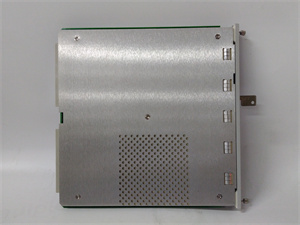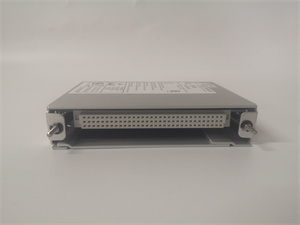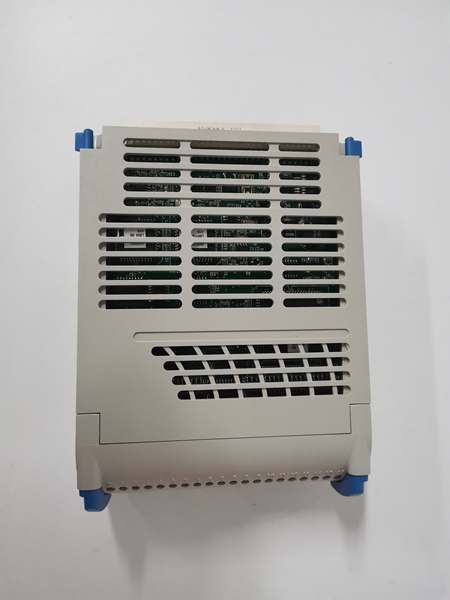
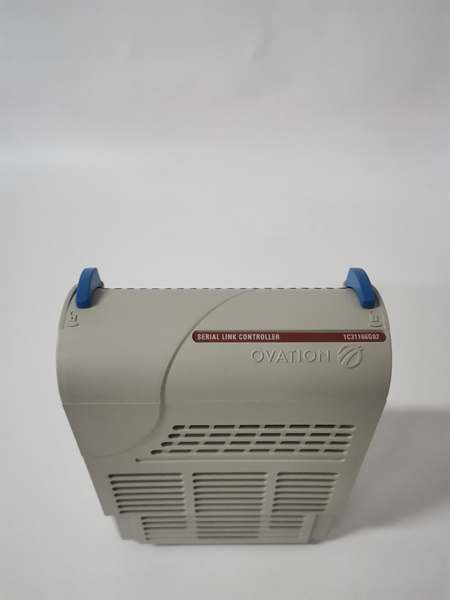
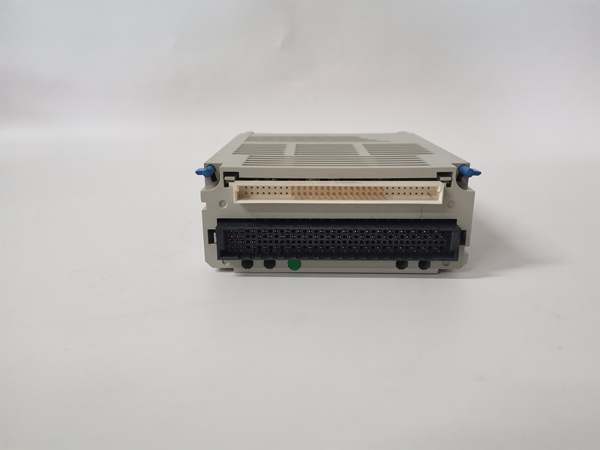
Description
Key Technical Specifications
-
Model Number: 1C31166G02
-
Manufacturer: Emerson (formerly Westinghouse)
-
Function: 16-channel digital input module – sinking inputs for 24 VDC field devices
-
Input Channels: 16 isolated differential inputs, 18-30 VDC wetting, sinking type
-
Response Time: <5 ms typical edge detection
-
Isolation: 2 kV channel-to-bus; 500 V channel-to-channel
-
Diagnostics: Per-channel LED status, open-circuit detection
-
Power Supply: 24 VDC from Ovation back-plane; <3 W typical
-
Operating Temperature: 0…+60 °C
-
Mounting: Plug-in to Ovation base-plate (e.g., 1B30037H01) – hot-swap supported
-
Dimensions / Weight: 121 × 52 × 166 mm, 0.56 kg typical
-
Certifications: CE, UL, CSA, IEC 61010
-
Status: Factory discontinued – new & tested spares available

1C31166G02
Field Application & Problem Solved
In the field the biggest headache is catching a turbine trip or a breaker auxiliary change without missing an edge or pulling hundreds of copper cables. The 1C31166G02 solves that by living in the Ovation rack: it detects a 24 VDC edge in <5 ms, time-stamps it for SOE, and pushes the data onto the 30 kHz carrier. You’ll typically find one per protection panel on Frame-7/9 peakers—swap time is under two minutes with the unit on turning gear. Core value: it collapses sixteen isolated 24 VDC inputs, surge protection, and per-channel diagnostics into one 0.56 kg plug-in card you can hot-swap without losing a single event.
In the field the biggest headache is catching a turbine trip or a breaker auxiliary change without missing an edge or pulling hundreds of copper cables. The 1C31166G02 solves that by living in the Ovation rack: it detects a 24 VDC edge in <5 ms, time-stamps it for SOE, and pushes the data onto the 30 kHz carrier. You’ll typically find one per protection panel on Frame-7/9 peakers—swap time is under two minutes with the unit on turning gear. Core value: it collapses sixteen isolated 24 VDC inputs, surge protection, and per-channel diagnostics into one 0.56 kg plug-in card you can hot-swap without losing a single event.
Installation & Maintenance Pitfalls (Expert Tips)
24 V Wetting Must Be Isolated – Don’t Double-Ground
The module is sinking; it expects the field device to source 24 V. If you land a wet contact that is already grounded you’ll create a ground loop and the input LED flickers. Verify wetting supply isolation with a megger before you land the wires.
The module is sinking; it expects the field device to source 24 V. If you land a wet contact that is already grounded you’ll create a ground loop and the input LED flickers. Verify wetting supply isolation with a megger before you land the wires.
Per-Channel LED Lies If the Opto Is Dead
Green LED only means the opto LED is lit; if the opto transistor fails the CPU still sees “input high” even if the field contact is open. Meter the D-Sub pins during a test—if you don’t see the transistor pull low, replace the module.
Green LED only means the opto LED is lit; if the opto transistor fails the CPU still sees “input high” even if the field contact is open. Meter the D-Sub pins during a test—if you don’t see the transistor pull low, replace the module.
Hot-Swap Only with Field Power Off – Contacts Are Live
The module is hot-swappable but the 24 V field terminals are exposed. If you pull it while a coil is energized you’ll arc the stab pins. Open the field breaker first or you’ll weld the back-plane connector.
The module is hot-swappable but the 24 V field terminals are exposed. If you pull it while a coil is energized you’ll arc the stab pins. Open the field breaker first or you’ll weld the back-plane connector.
Spare Lead-Time Is 6-8 Weeks – Keep One on the Shelf
Factory stock is gone; new & tested spares are available but not overnight. If you crack a layer or burn the opto you’ll be down until the part arrives—keep one in stores or you’ll discover the weakness during the next grid event.
Factory stock is gone; new & tested spares are available but not overnight. If you crack a layer or burn the opto you’ll be down until the part arrives—keep one in stores or you’ll discover the weakness during the next grid event.
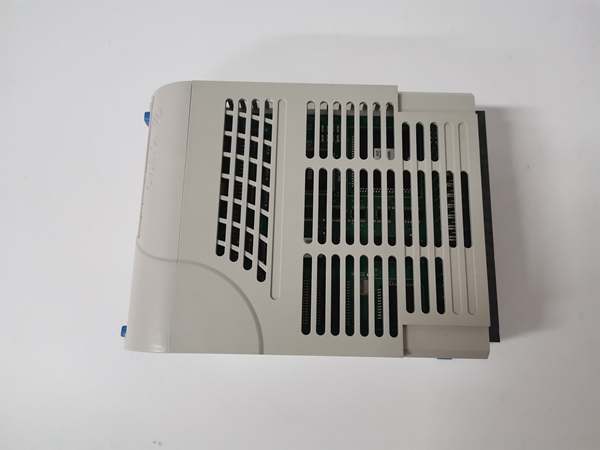
1C31166G02
Technical Deep Dive & Overview
Internally the module is a 16-channel opto-isolator array bolted to a 2 kV isolation barrier. Each input drives an LED that latches the edge; the 30 kHz carrier clocks the data into the Ovation back-plane. Lose the 24 V rail and the module goes dark; lose a single input and the CPU throws “DI FLT” for that channel only. No firmware to reload—pure hardware—so you can hot-swap it: pull the old card, land the field wires exactly where they came from, snap the 96-pin connector in, and the DCS sees all sixteen inputs again in under ten seconds.
Internally the module is a 16-channel opto-isolator array bolted to a 2 kV isolation barrier. Each input drives an LED that latches the edge; the 30 kHz carrier clocks the data into the Ovation back-plane. Lose the 24 V rail and the module goes dark; lose a single input and the CPU throws “DI FLT” for that channel only. No firmware to reload—pure hardware—so you can hot-swap it: pull the old card, land the field wires exactly where they came from, snap the 96-pin connector in, and the DCS sees all sixteen inputs again in under ten seconds.