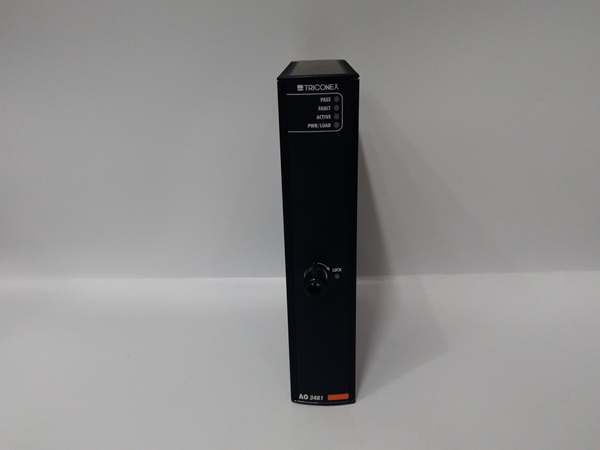
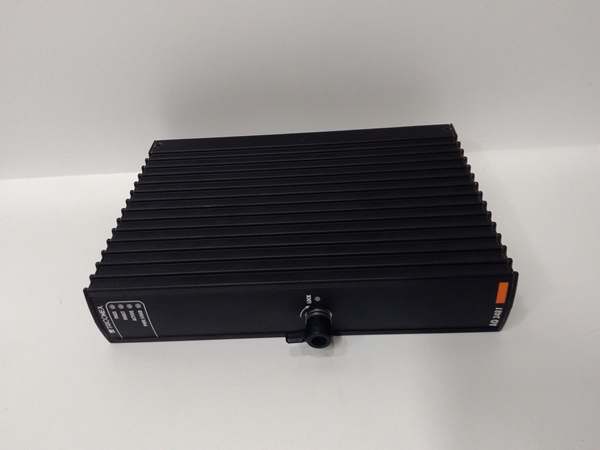
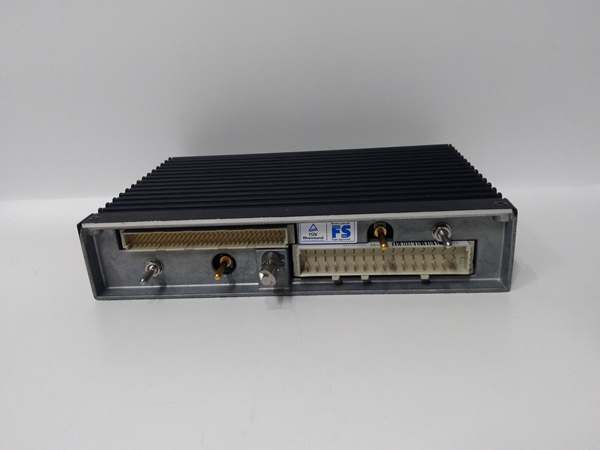
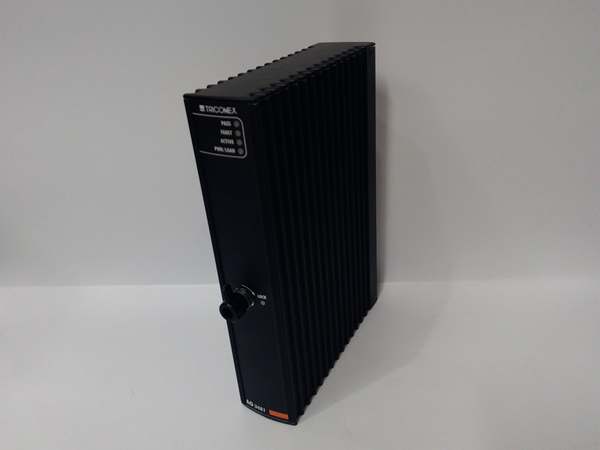
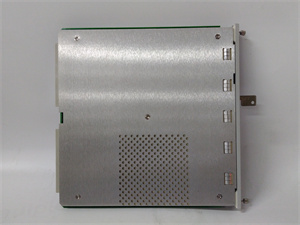
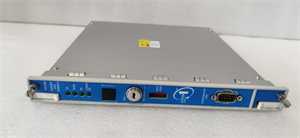
Manufacturer: Modules Part number: Triconex AO3481
Our extensive Modules catalogue, including
: Triconex AO3481
, is available now for dispatch to the worldwide.
Brand: Triconex
The listed price is not final; the actual selling price is negotiable based on current market conditions.
TRICONEX is a 4-channel analog output module built for Tricon safety instrumented systems (SIS). It converts triplicated digital commands from the main controller into stable analog signals for final control elements.
Its TMR design eliminates single points of failure. Integrated diagnostics validate each channel’s health, while hot-swap capability minimizes process downtime during replacement. The device is certified for SIL3 safety loops in petrochemical, power, and oil/gas applications.
QA & Testing SOP (Transparency Building)
Incoming Inspection: Cross-reference part/serial numbers against Schneider records; inspect casing, connectors, and pins for damage. Verify anti-counterfeit labels.
Live Testing: Install in a Tricon chassis; apply 24VDC and verify status LEDs. Perform 24-hour continuous output test with precision current/voltage measurement on all channels.
Electrical Testing: Use Fluke 115 to confirm power draw; verify isolation resistance >10MΩ between field and logic sides.
Firmware/Config Backup: Record exact firmware revision; document DIP switch settings and channel range configuration.
Final QC & Packaging: Place in anti-static bag; attach QC test tag; pack in shock-resistant case for shipping.
Installation Pitfalls & Guide (Engineer to Engineer)
❗ Backplane Keying Mismatch: uses unique mechanical keying. Forcing into a wrong slot damages both module and backplane. Match key profile before insertion.
❗ Output Overload: Driving inductive loads without surge suppression damages output drivers. Use external snubbers for solenoids and motorized valves.
❗ Ground Loop Interference: Multiple field grounds create offset errors. Use isolated field devices or inter-channel isolators for long cable runs.
❗ Hot-Swap Restrictions: Hot-swap works only in Tricon v10+ chassis. Swapping in older racks causes bus errors and system faults.
❗ ESD Damage: Unprotected handling fries output DACs. Always use ESD wrist strap and grounded mat; even small static pulses can render the module unrepairable.
Replacement Guide:
Pre-install: Set SIS to safe state; label all field cables; apply ESD protection.
Removal: Extract faulty module; photograph DIP switches and wiring.
Install: Align keying; seat firmly; set switches to match photos; reconnect cables.
Power-on Test: Restore power; check LEDs; verify 4-20mA/0-10VDC output accuracy on all channels.
TRICONEX AO3481
FAQ (Frequently Asked Questions)
Q: Does support hot swapping?A: Yes, on Tricon v10+ chassis. The TMR backplane maintains I/O continuity during swap; no system shutdown needed.
Q: What’s the warranty coverage?A: New original units carry 12-month OEM warranty. Refurbished units include 6-month functional warranty; on-site labor is excluded.
Q: Can work on older Tricon (non-Trident) systems?A: No. Backplane protocol and keying differ. It will not initialize or communicate with legacy Tricon racks.
Q: Why do outputs drift over time?A: Ground loops or unisolated loads are the top causes. Add signal isolators and surge suppressors for inductive devices.
Q: Is configuration lost during replacement?A: No. Channel range and calibration data reside in the main controller. No reconfiguration is required after swap.
Q: Is end-of-life?A: No. It remains fully supported for Tricon v10 platforms. Contact Schneider Electric for formal EOL notices.
Q: What’s the maximum load resistance?A: 600Ω per channel for 4-20mA mode; 10kΩ minimum for 0-10VDC mode.
Please note: The listed price is for reference only and is not binding. Final pricing and terms are subject to negotiation based on current market conditions and availability.