Description
Hard-Numbers: Technical Specifications
- Protocol Support: Proprietary MIB internal backplane bus, hardwired dry contact logic
- Onboard I/O Count: 24× isolated discrete inputs, 12× relay form-C outputs
- Coil Rating: 24 VDC / 110 VDC field compatible
- Isolation Rating: 2000 Vrms field-to-control logic isolation
- Operating Temperature: -25°C to +70°C continuous cabinet duty
- Power Draw: 11 W maximum steady-state load
- Contact Rating: 5 A resistive per output relay
- Conformal Coating: G3 industrial grade for corrosive plant environments
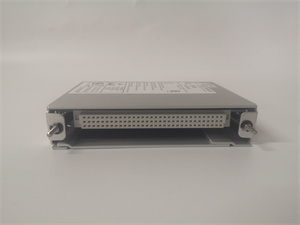
- Backplane Connector: Standard 96-pin DIN rack mount form factor
- Mounting: Vertical rail installation for exciter cubicle racks
The Real-World Problem It Solves
Excitation cubicles run mixed high-voltage control power and low-voltage interlock wiring. Unconditioned I/O bleeds transient noise into AVR logic and triggers random field inhibit trips.
Where you’ll typically find it:
- Generator exciter cubicle auxiliary control racks
- Combined-cycle plant K4.1 AVR and voltage regulation assemblies
- Heavy industry co-gen sites with hardwired turbine interlock logic
Bottom line: It cleans up dirty field discrete signals and contains electrical transients to stop unplanned excitation lockouts.
Hardware Architecture & Under-the-Hood Logic
This board operates as a passive/active signal buffer with no primary processing CPU. It relies on rack backplane communication to pass interlock status to main regulator cards.
- Field discrete inputs pass through opto-coupler isolation circuits at the board front end.
- Filtered signal states latch to onboard logic buffers for noise rejection.
- Backplane bus transfers all interlock, permissive, and trip points to master AVR controllers.
- Command signals from the main regulator trigger onboard mechanical relay outputs.
- Local LED status indicators provide direct visual feedback for every input and output point.
Field Service Pitfalls: What Rookies Get Wrong
Parallel Common Ground JumpingNew technicians tie multiple interlock commons together on terminal strips. Different ground potentials create circulating current and burn opto-isolators over time.
- Field Rule: Keep each interlock loop isolated; run dedicated common lines for each voltage class.
Overloading Form-C Relay ContactsRookies route solenoid and heavy inductive loads directly to onboard outputs. Inductive kickback welds relay contacts closed and causes stuck interlock faults.
- Quick Fix: Install external interposing relays for all inductive field loads under 10A.
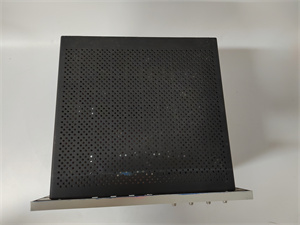
Blocked Side Vent SlotsThis card depends on natural convection flow through side cutouts. Tight side-by-side rack mounting traps heat and accelerates trace corrosion.
- Field Rule: Leave minimum 15mm side clearance between adjacent I/O cards in exciter racks.
Commercial Availability & Pricing Note
Please note: The listed price is for reference only and is not binding. Final pricing and terms are subject to negotiation based on current market conditions and availability.