Description
Hard-Numbers: Technical Specifications
- Input Channels: 8 isolated digital inputs
- Input Type: Dry contact or NAMUR proximity switch compatible
- Input Voltage Range: 0–24 VDC (logic levels: <5V = OFF, >10V = ON)
- Counter Resolution: 32-bit per channel (counts up to 2^32–1 before rollover)
- Maximum Input Frequency: Up to 10 kHz (verify per channel configuration)
- Input Filter Options: Software-selectable debounce filters (typically 0.1–100 ms)
- Isolation: 1500V channel-to-channel, channel-to-backplane
- Operating Temperature: 0°C to +60°C
- Power Consumption: ~250 mA @ 24 VDC (backplane powered)
- Counter Modes: Count up/down, frequency measurement, period measurement, totalization
- Backplane Communication: Experion Series-C I/O bus to C300 controller
- Protection: Reverse polarity, overvoltage, ESD per IEC 61000-4-2
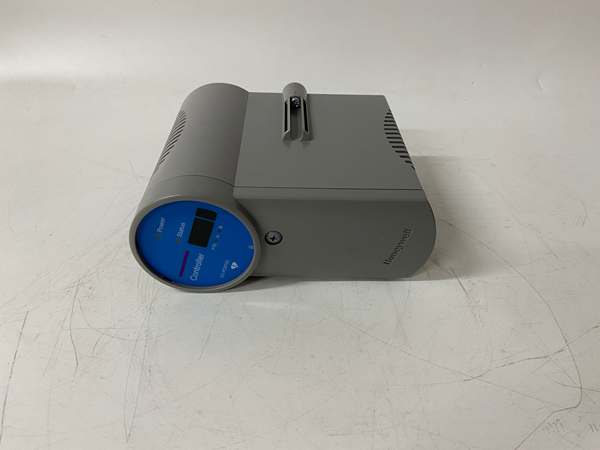
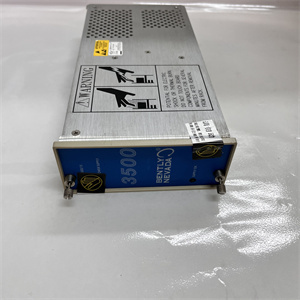
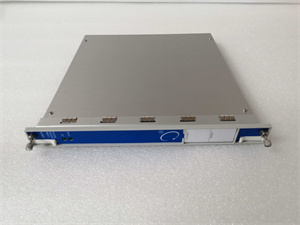
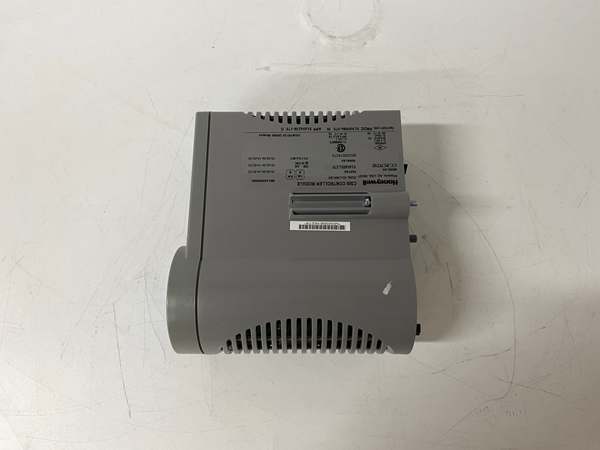
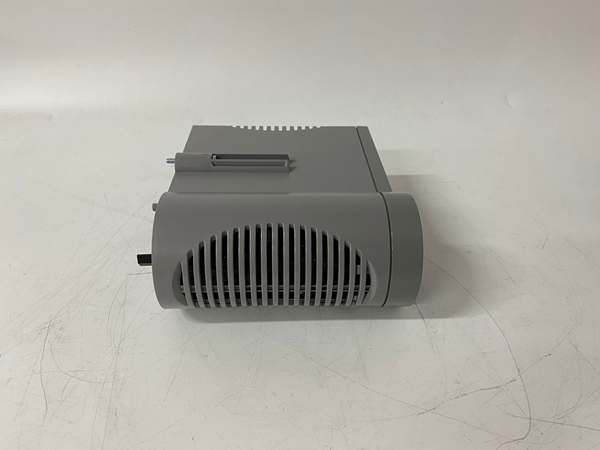
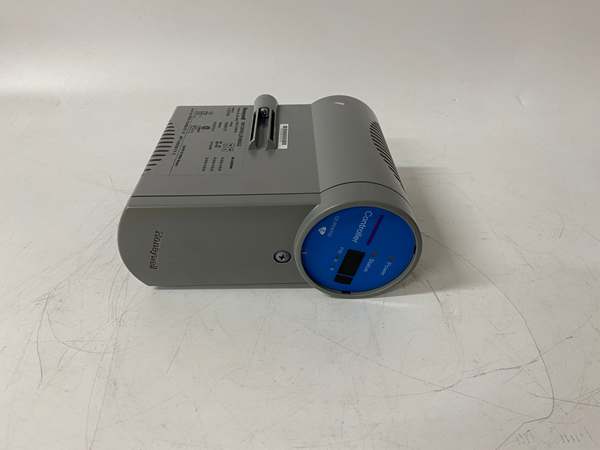
Honeywell CC-PCNT02
The Real-World Problem It Solves
Process plants need to count things—pulses from turbine flow meters, revolutions from tachometers, or position feedback from encoders. When you’re batching chemicals, totaling flow for custody transfer, or monitoring conveyor belt speed, a plain digital input doesn’t cut it because it can’t track fast pulse trains or accumulate totals without controller overhead. The CC-PCNT02 offloads the counting work from the C300, giving you 8 channels of hardware-based pulse counting, frequency measurement, and totalization with millisecond-level timing accuracy.
Where you’ll typically find it:
- Flow totalization applications in water treatment plants, custody transfer metering stations, and chemical batching systems
- Speed monitoring of motors, pumps, and conveyors using tachometers or encoders
- Position feedback from rotary encoders or proximity switches for valve position indication and material handling systems
Bottom line: This module is your hardware counter—don’t waste PLC cycles counting pulses when this card can handle 10 kHz pulse trains on 8 channels without breaking a sweat.
Hardware Architecture & Under-the-Hood Logic
The CC-PCNT02 plugs into the Experion Series-C IOTA backplane and draws 24VDC from the bus. It houses dedicated counter logic on each channel—no need for the C300 to poll every pulse. Each input accepts dry contact or NAMUR proximity signals, conditions them through software-configurable debounce filters, and feeds them into 32-bit counter circuits. The module counts pulses, measures frequency or period, and buffers results for the C300 to read at its own scan rate. Isolation barriers protect the backplane from field transients and ground loops.
- Input Conditioning & Debounce: Raw digital signals hit the input terminals and pass through optical isolation. Software-selectable debounce filters (0.1–100 ms) reject noise and contact bounce from mechanical switches or proximity sensors.
- Counter Logic Core: Each channel has a dedicated 32-bit up/down counter that increments/decrements on each valid pulse after filtering. Counter registers accumulate continuously and rollover after reaching 2^32–1 (4,294,967,295 counts).
- Frequency/Period Measurement: For speed monitoring, the module measures pulse frequency (Hz) or period (ms/pulse) using hardware timers. This allows tachometer and encoder speed readings without bogging down the C300 with high-speed polling.
- Snapshot & Latch Functions: Some configurations support snapshot or latch inputs to freeze counter values for batch capture or event-based totalization. This lets you grab exact totals at specific process events without timing jitter.
- Backplane Data Transfer: Counter values, frequency readings, and diagnostic status pack up and ship over the Series-C I/O bus to the C300 controller. The C300 reads data at its configured scan rate (typically 50–500 ms), not at the pulse input rate.
Field Service Pitfalls: What Rookies Get Wrong
Ignoring Debounce Settings on Mechanical Switches
I’ve seen techs leave debounce filters at 0.1 ms on a vibrating pipe with a mechanical flow switch. The module counts contact chatter instead of actual pulses—totalizers run wild, and batch quantities end up wrong by thousands of gallons.
- Field Rule: Set debounce filters based on your sensor type and process conditions. Use 5–20 ms for mechanical switches or vibrating environments. Drop to 0.1–1 ms only for clean electronic pulses from encoders or Hall-effect sensors.
Mixing NAMUR and Dry Contact on the Same Module
NAMUR proximity switches need a specific current-limited excitation circuit to work properly. Rookies wire them straight to digital inputs without checking the module’s NAMUR support, and the module either doesn’t detect pulses or fries the sensor.
- Field Rule: Verify the CC-PCNT02 configuration matches your sensor type. Use dedicated NAMUR-compatible inputs or external signal conditioners for NAMUR proximity switches. Don’t assume “24VDC input” means “works with any sensor.”
Counter Rollover Without Scaling
32-bit counters sound huge until you’re running a flow meter at 10 kHz for months. The counter rolls over after 4.29 billion counts, and if your logic doesn’t handle rollover, your totalizer jumps from 4,294,967,295 to zero overnight, wrecking production reports.
- Field Rule: Implement rollover handling in your C300 logic or HMI scaling. Either use double-precision math to track rollover events or reset the totalizer before hitting the 32-bit limit in critical applications like custody transfer.
Ground Loops from Ungrounded Encoder Shields
Encoder cables run hundreds of feet across a plant floor to the DCS cabinet. If the shield is grounded at both the encoder and the cabinet, you’ve got a ground loop. The CC-PCNT02 starts counting phantom pulses from induced noise, and your conveyor speed reading goes haywire.
- Field Rule: Ground encoder shields only at the DCS cabinet end. Use insulated ground blocks or the cabinet ground bus. For long cable runs (>50 m), consider fiber-optic converters or differential encoders to eliminate noise pickup entirely.
Overlooking Frequency Limits for High-Speed Applications
The module’s rated for up to 10 kHz, but that assumes clean signals and proper grounding. I’ve seen techs push 15 kHz encoder pulses through a shared cable tray with VFD outputs—noise corrupts the signal, and the counter misses pulses or reads garbage frequency values.
- Quick Fix: Stay under 80% of the rated frequency (8 kHz max) for reliable operation in noisy environments. Use shielded twisted-pair cable, keep encoder cables away from VFD outputs, and verify signal integrity with an oscilloscope if counts don’t match expected values.
Commercial Availability & Pricing Note
Please note: The listed price is for reference only and is not binding. Final pricing and terms are subject to negotiation based on current market conditions and availability.