Description
Hard Numbers: Technical Specifications
- Processor: Intel Pentium M, 1.8 GHz
- Memory: 512 MB SDRAM (Onboard, soldered)
- Bus Interface: VMEbus (A32/D32, Master/Slave, SysCon capable)
- Ethernet: 10/100Base-TX RJ-45 Port
- Storage: IDE Flash Disk Interface, Floppy Header
- Serial Ports: 2x RS-232 (DB-9)
- PMC Slots: 2x 64-bit PMC Sites (For dual I/O expansion)
- Watchdog Timer: Yes, Programmable
- Operating Temp: 0°C to +55°C
- Power Draw: +5V @ ~5.0A, +12V @ ~1.2A
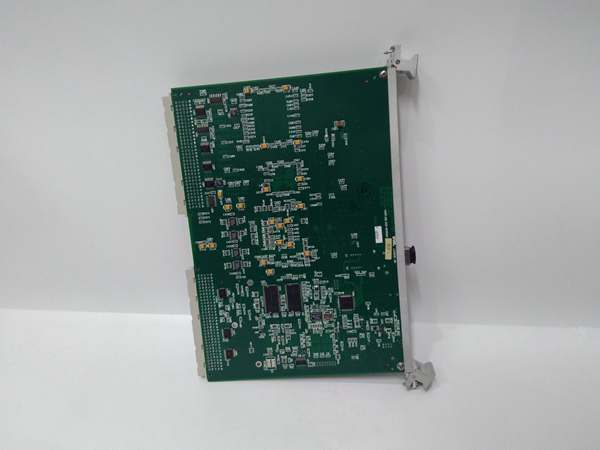
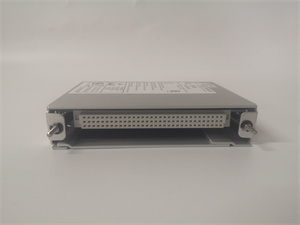
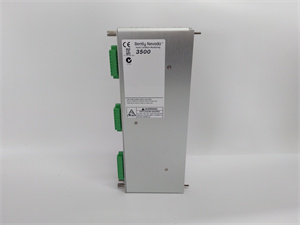
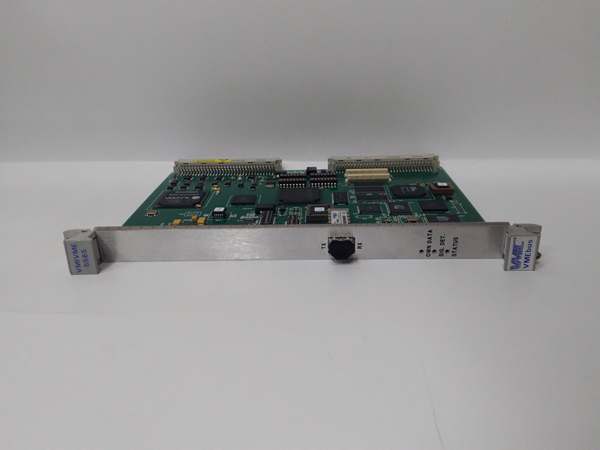
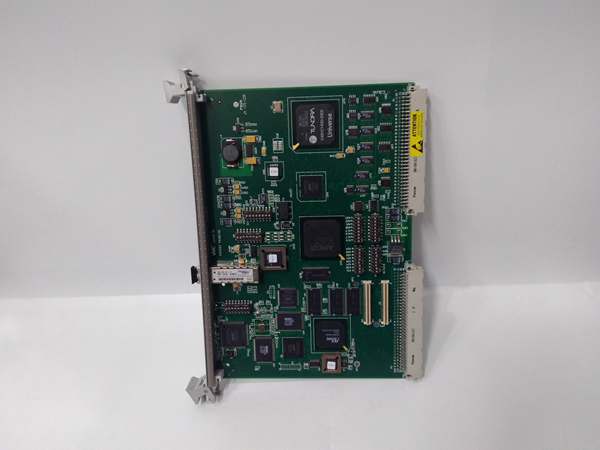
GE VMIVME-5565-010000
The Real-World Problem It Solves
The standard 256MB RAM on older SBCs chokes when running modern Mark VIe software revisions with large symbol tables. This board prevents memory starvation during boot-up. It also provides the necessary horsepower for running local HMIs or data historians without needing an external PC.
Where you’ll typically find it:
- In Mark VIe turbine control cabinets requiring high RAM for complex algorithms.
- Inside power generation control rooms, hosting the primary control application.
- In defense systems needing dual PMC sites for expanded I/O density.
It prevents the dreaded “Out of Memory” kernel panic during turbine startup sequences.
Hardware Architecture & Under-the-Hood Logic
This is a high-performance PC integrated onto a 6U VME card. It acts as the VMEbus System Controller, bridging the PCI bus to the VME backplane. The Pentium M processor is chosen for its low power consumption and high performance in industrial settings.
- System Initialization: The BIOS initializes the 512MB SDRAM and probes the IDE flash disk for the ControlST or ToolboxST application.
- Bus Arbitration: The onboard VMEbridge ASIC manages the VMEbus protocol, allowing the CPU to read/write to other VME modules as memory-mapped I/O.
- I/O Expansion: The dual PMC sites allow for two independent I/O modules (like serial or fiber cards) without consuming additional VME slots, maximizing backplane real estate.
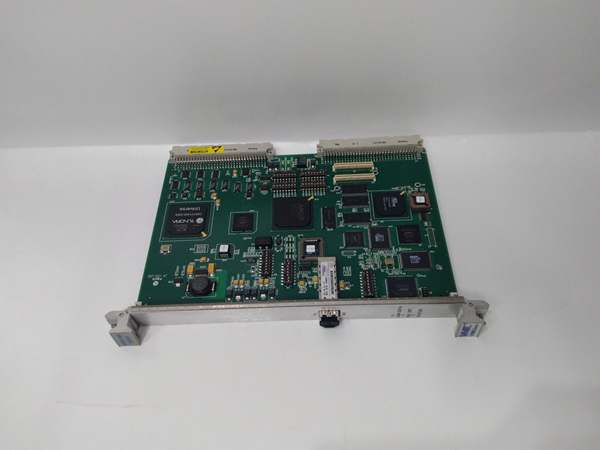
GE VMIVME-5565-010000
Field Service Pitfalls: What Rookies Get Wrong
Insufficient Power Budgeting
Rookies swap a 256MB board for this 512MB version without checking the power budget. The crate’s power supply can’t handle the extra 0.5A on the +5V rail, causing system-wide brownouts.
- Field Rule: Check the VME crate’s total power budget. The draws significantly more current than older 68040 boards. Upgrade the crate power supply if necessary.
PMC Slot Overloading
They populate both PMC sites with high-power modules, exceeding the board’s thermal limits. The SBC overheats and throttles the CPU, causing control cycle jitter.
- Quick Fix: Ensure adequate airflow over the PMC modules. If the board is in a sealed enclosure, you may need to derate the CPU speed or use low-power PMC cards.
BIOS Configuration Loss
The onboard battery dies, wiping the CMOS settings. The rookie tries to reflash the firmware instead of fixing the battery.
- Field Rule: Replace the onboard 3.6V battery. After replacement, you’ll need to reset the BIOS boot order to IDE0 and disable unnecessary peripherals like the floppy controller.
Commercial Availability & Pricing Note
Please note: The listed price is for reference only and is not binding. Final pricing and terms are subject to negotiation based on current market conditions and availability.