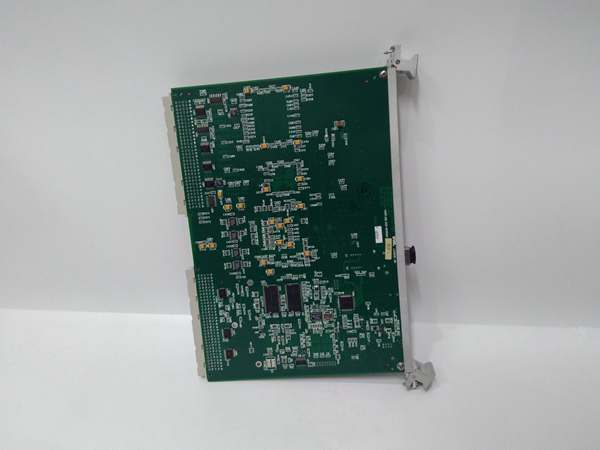
Description
Hard Numbers: Technical Specifications
- Processor: Motorola MC68040, 33 MHz
- Memory: 4MB or 8MB DRAM (Onboard, SIMM based)
- Bus Interface: VMEbus (A16/A24/A32, D16/D32), System Controller capable
- Networking: 10Base2 (Thinnet) Ethernet
- Mass Storage: SCSI-2 Interface (50-pin header)
- Serial Ports: 2x RS-232 Serial Ports (DB-9)
- Watchdog Timer: Yes, Programmable
- Operating Temp: 0°C to +55°C (Commercial Grade)
- Power Draw: +5V @ ~2.5A, +12V @ ~0.3A
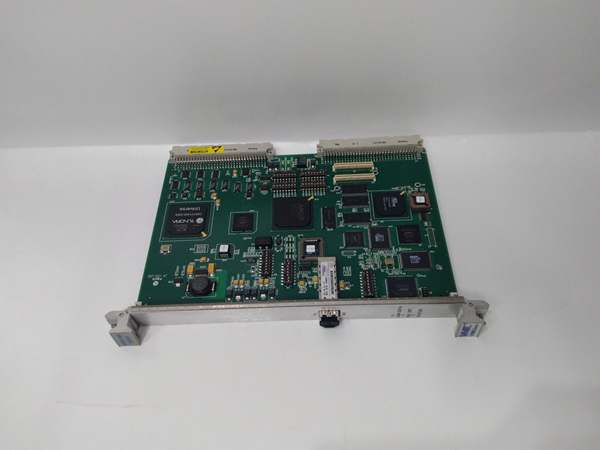
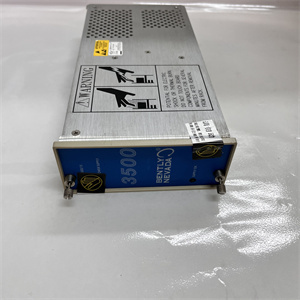
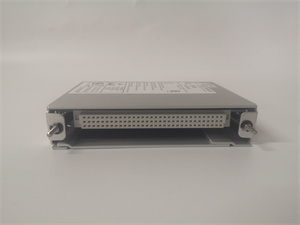
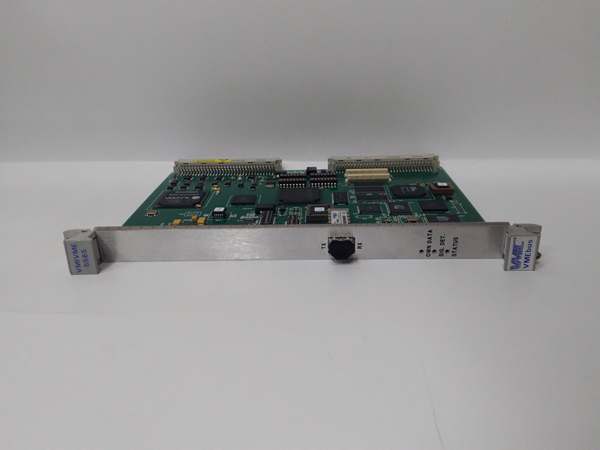
GE VMIVME-5565-010000
The Real-World Problem It Solves
Legacy VME systems need a robust, deterministic CPU that doesn’t rely on fragile PC/104 stacks or finicky BIOS settings. This board provides a standalone computing engine that boots from a local SCSI drive. It eliminates the headaches of modern PC architecture in environments where you just need a reliable workhorse to run the control loops.
Where you’ll typically find it:
- As the primary controller in GE Speedtronic Mark IV and Mark VI turbine control crates.
- Inside legacy semiconductor manufacturing equipment requiring 68040 compatibility.
- In defense systems where the software is compiled specifically for the 68k architecture.
It keeps 30-year-old industrial iron running without a costly full-system retrofit.
Hardware Architecture & Under-the-Hood Logic
This is a complete computer on a single VME card. It arbitrates the entire VMEbus as the System Controller. The 68040 handles the heavy lifting, while the onboard ASICs manage the bus interface and memory decoding.
- Bus Arbitration: The board asserts SYSRESET and BG0IN/BGOOUT to manage the VMEbus backplane. It dictates who talks on the bus.
- Memory Mapping: The 4-8MB of onboard DRAM is mapped into the VME A32 address space. Application code executes directly from this local memory.
- I/O Handling: The 10Base2 Ethernet and SCSI ports are handled by dedicated controller chips. The CPU offloads data transfer tasks to these peripherals via DMA.
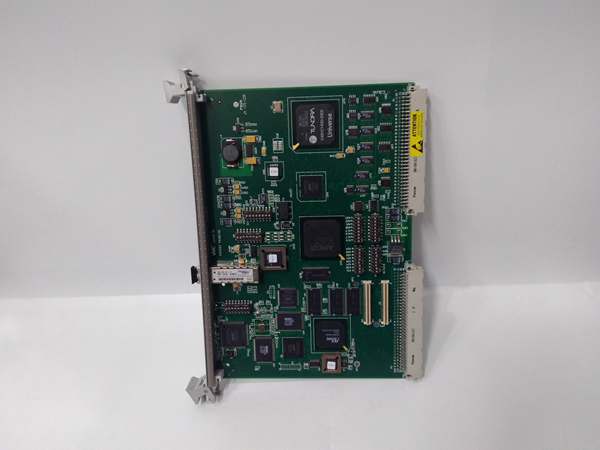
GE VMIVME-5565-010000
Field Service Pitfalls: What Rookies Get Wrong
SCSI Termination Power Issues
Rookies install a new SCSI hard drive but forget to enable Termination Power (TERMPWR) via the onboard jumper. The drive isn’t seen by the BIOS, and they waste hours testing cables.
- Field Rule: Check Jumper W5. If you’re using an external SCSI drive, ensure TERMPWR is jumpered on. No power, no ID.
VMEbus Slot Location
They stick the CPU in any empty slot. The system won’t boot because the board isn’t in the designated System Slot (usually Slot 1).
- Quick Fix: The must be in the leftmost slot (Slot 1) of the VME chassis. This is the only slot connected to the arbitration lines correctly. Move it, or nothing else on the backplane works.
Battery-Backed SRAM Failure
The onboard coin cell dies, wiping the NVRAM configuration. The rookie tries to reflash the firmware instead of fixing the battery.
- Field Rule: Replace the onboard 3.6V NiCd or coin cell battery. After replacement, you’ll need to reset the NVRAM environment variables (boot device, IP address) at the monitor prompt.
Commercial Availability & Pricing Note
Please note: The listed price is for reference only and is not binding. Final pricing and terms are subject to negotiation based on current market conditions and availability.