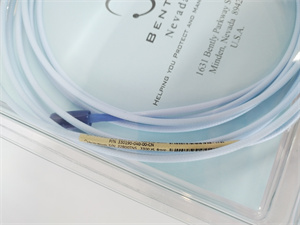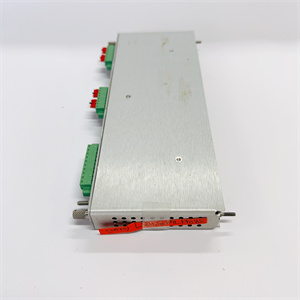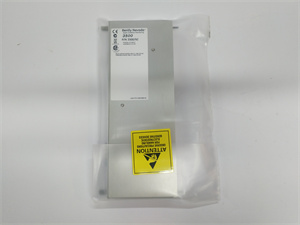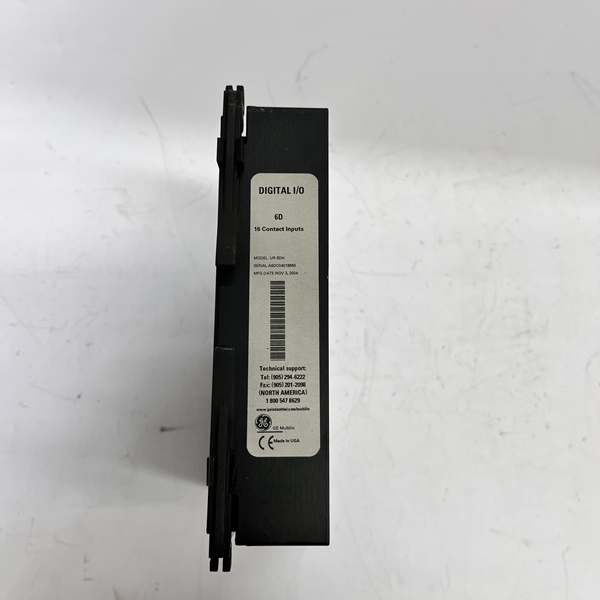
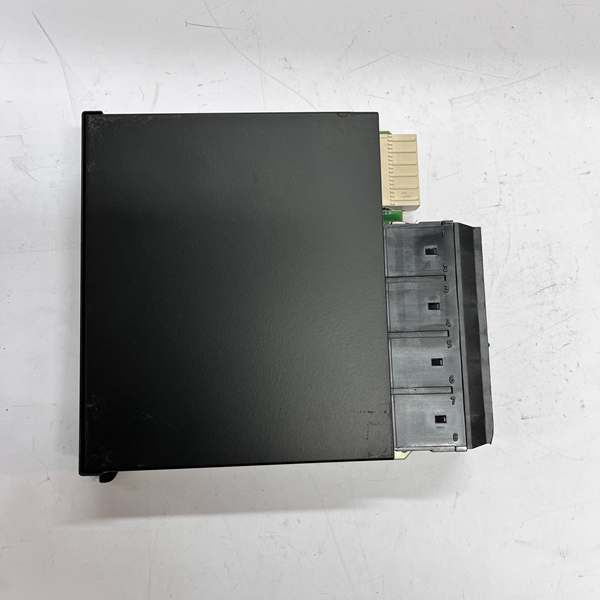
Description
Hard-Numbers: Technical Specifications
- Fiber Port Count: 2 × single-mode ST fiber connectors
- Optical Wavelength: 1300nm infrared single-mode laser
- Max Fiber Distance: 20 kilometer with 9/125μm single-mode cable
- Data Transfer Rate: 100Mbps fiber throughput, high-speed UR backplane interface
- Supported Protocols: UR proprietary inter-relay protocol, GOOSE, IEC 61850, Modbus TCP/IP
- Operating Temperature: -40°C to +70°C continuous cabinet operation
- Isolation Rating: 2500Vrms galvanic isolation between fiber circuits and backplane
- Power Draw: 4.5W maximum, powered entirely from UR chassis backplane
- Hot Swap Rating: Live insertion/removal capable for in-service maintenance
- Heat Dissipation: Passive convection cooling, no onboard fans
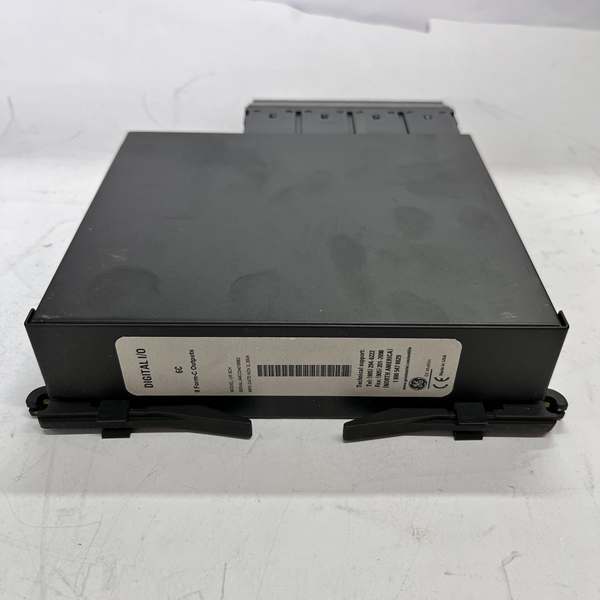
The Real-World Problem It Solves
Multimode fiber and copper links fail at long substation distances. High attenuation and EMI cause link drops, sync loss, and delayed trip logic over wide-area networks.
Where you’ll typically find it:
- Large transmission substations with 5–15km inter-bay fiber runs
- Regional power plant protection racks linking remote switchgear yards
- Industrial refineries with distributed process control across wide sites
Bottom line: It extends reliable relay communication to 20km and eliminates distance-related signal loss in long-haul substation layouts.
Hardware Architecture & Under-the-Hood Logic
uses a dedicated onboard communication processor independent of the main relay CPU. All single-mode transceivers have full galvanic isolation to block high-voltage transients.
- Incoming single-mode fiber signals convert to digital logic via 1300nm laser transceivers.
- Local processor validates frames, filters noise, and buffers outbound messages.
- Processed data transfers across the high-speed UR backplane to the host relay.
- Trip logic, timing sync, and GOOSE commands package for transmission to remote UR fiber modules.
- Onboard diagnostics monitor optical power, link health, and transceiver faults continuously.
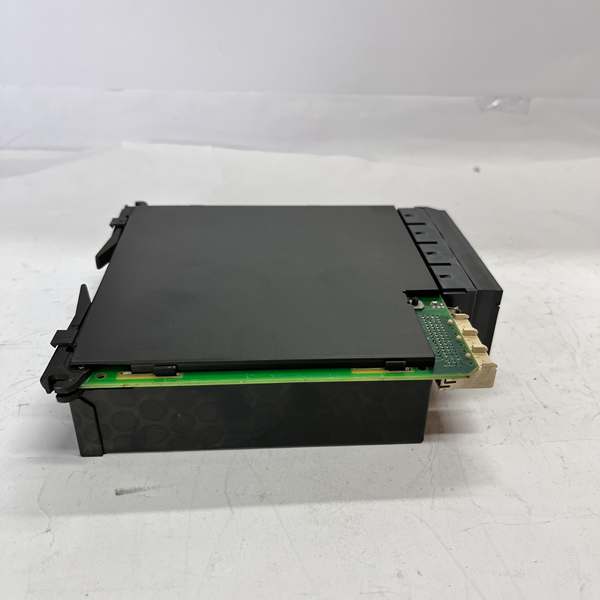
Field Service Pitfalls: What Rookies Get Wrong
Mismatched Fiber Cable TypesTechs plug multimode fiber into ports. High attenuation causes weak signals, constant link flapping, and unlogged communication errors.
- Field Rule: Only 9/125μm single-mode fiber is approved; multimode cable will not work reliably.
Poor Fiber Termination & ContaminationDust, oil, or scratches on ST connector ends reduce light transmission. Degraded links trigger slow GOOSE response and delayed interlocks over long distances.
- Quick Fix: Clean termini with alcohol wipes before mating; inspect with a fiber scope and polish if damaged.
Inadequate Cabinet CoolingStacked modules with no side airflow raise internal temps. Sustained heat shortens transceiver life and causes intermittent optical faults in high-temperature environments.
- Field Rule: Maintain 20mm side clearance between slot cards; keep cabinet intake filters clear of dust.
Commercial Availability & Pricing Note
Please note: The listed price is for reference only and is not binding. Final pricing and terms are subject to negotiation based on current market conditions and availability.