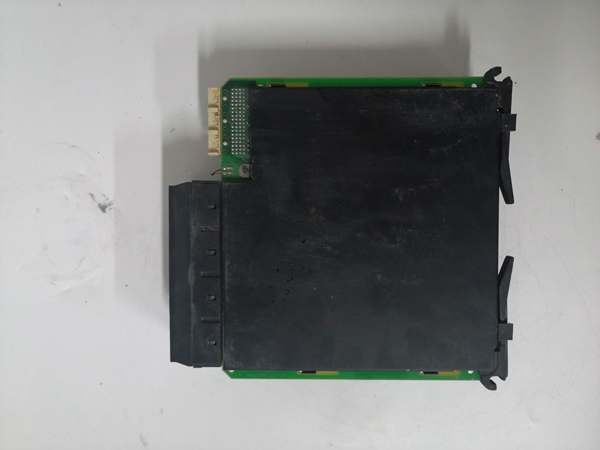
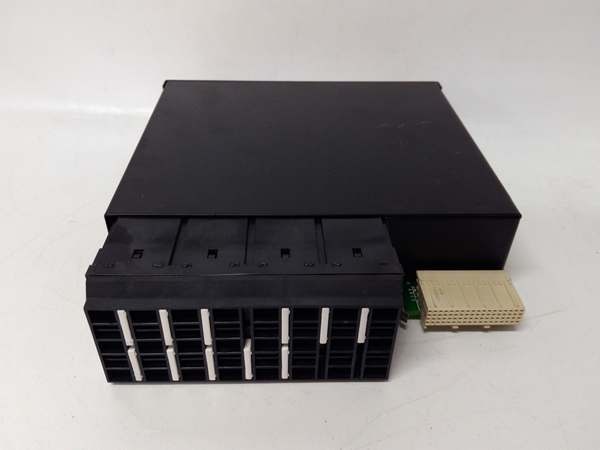
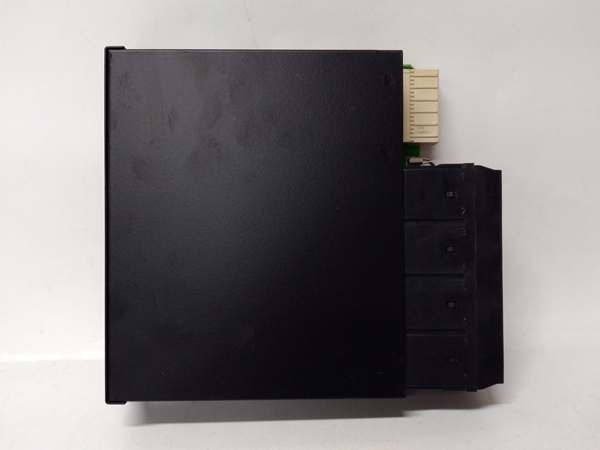
Description
Hard-Numbers: Technical Specifications
- Digital Input Count: 16 optically isolated dry contact / voltage rated inputs
- Relay Output Count: 6 × Form-C SPDT electromechanical relay outputs
- Input Voltage Range: 24 VDC up to 250 VDC software configurable
- Output Contact Rating: 10A resistive at 250VAC / 30VDC
- Isolation Rating: 2500Vrms field-to-backplane galvanic separation
- Operating Temperature: -40°C to +70°C continuous cabinet operation
- Power Draw: 4.8W maximum, backplane powered
- Input Filtering: Software adjustable debounce timers from 1ms to 60 seconds
- Fault Logging: Integrated time-stamped I/O state change reporting
- Form Factor: Standard UR slot edge connector hot-swap capable
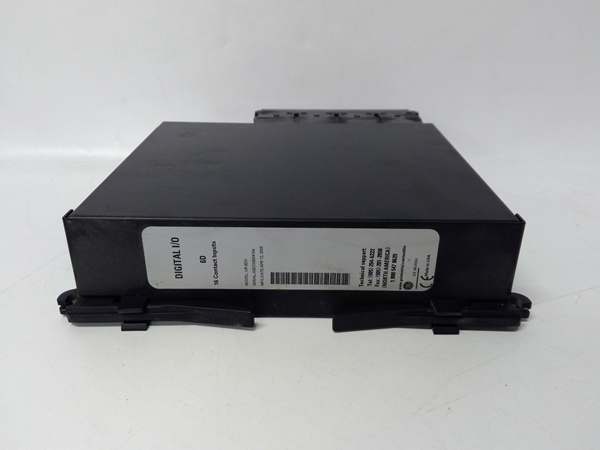
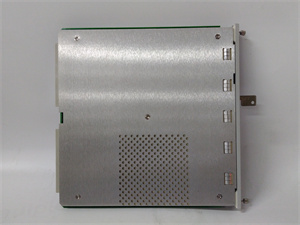
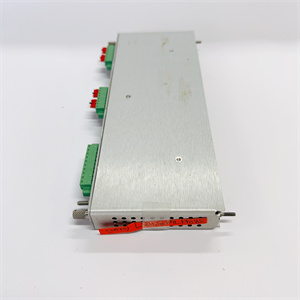
GE UR6DH
The Real-World Problem It Solves
Base UR relay I/O counts run thin on full substation and power plant control schemes. Crews end up stacking external auxiliary relays that add wiring clutter and extra failure points.
Where you’ll typically find it:
- MV/HV substation breaker and switchgear control cabinets
- Combined-cycle plant generator protection and trip logic racks
- Refinery process unit high side protective relay assemblies
Bottom line: It consolidates high counts of status and control points inside the relay chassis to cut field wiring and reduce mechanical failure points.
Hardware Architecture & Under-the-Hood Logic
uses a dedicated onboard logic controller separate from the main relay CPU. All field I/O runs through optocoupler isolation to block common-mode noise and ground offset voltage.
- Field discrete inputs pass through current-limiting circuitry and optical isolation barriers.
- Onboard logic filters contact bounce and timestamps every state change locally.
- Filtered input data transmits across the UR backplane to the main relay processor.
- Trip and control commands from the main unit route through isolated driver circuits.
- Electromechanical relay outputs actuate load devices; onboard coils include basic surge suppression.
Field Service Pitfalls: What Rookies Get Wrong
Inductive Load Direct ConnectionNew techs wire breaker trip coils and heavy solenoids straight to outputs. Unsuppressed inductive kickback burns relay contacts over short run times.
- Field Rule: Add external MOVs or RC snubbers on all inductive loads; derate contacts for coil and motor circuit use.
Forced Module InstallationMisaligned edge connectors get bent when techs jam the card into the backplane. Bent pins create intermittent I/O drops and unrecognized module faults.
- Quick Fix: Align top and bottom rail guides first; seat evenly until positive latch engagement, no brute force.
Mixed Voltage Input GroupsCombining 24VDC and 125VDC control power on adjacent input banks creates cross-voltage leakage. Uncommanded false input flags show up with no hard fault code.
- Field Rule: Segregate different control voltage classes; isolate common reference points between low and high DC systems.
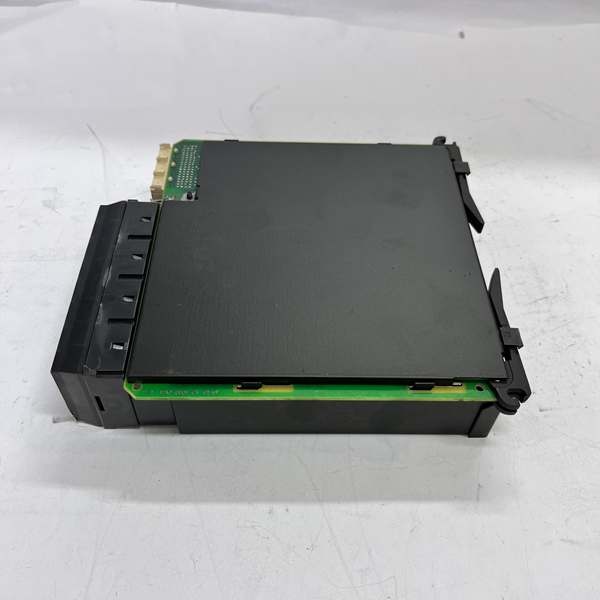
GE UR6DH
Commercial Availability & Pricing Note
Please note: The listed price is for reference only and is not binding. Final pricing and terms are subject to negotiation based on current market conditions and availability.