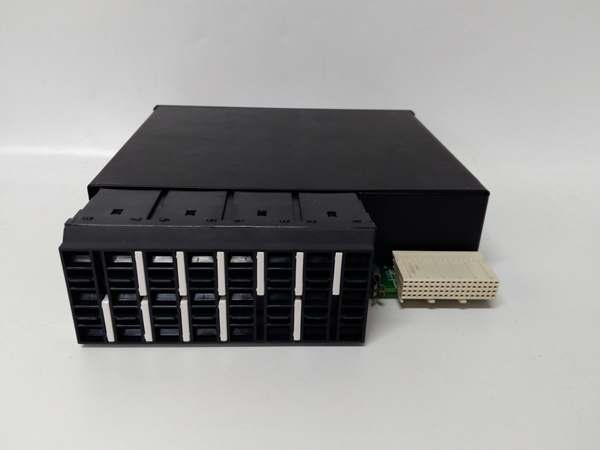
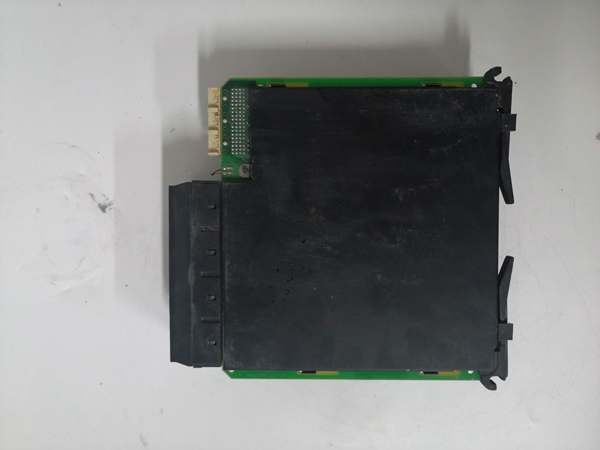
Description
Hard-Numbers: Technical Specifications
- CT Channel Count: 4 isolated current inputs (3-phase + ground)
- VT Channel Count: 4 isolated AC voltage sensing inputs
- CT Nominal Rating: Software selectable 1A / 5A secondary
- VT Nominal Rating: Software selectable 67V / 120V
- Operating Temperature: -40°C to +70°C ambient cabinet rating
- Isolation Rating: 2500Vrms reinforced isolation, field to backplane
- Maximum Power Draw: 6.8 Watts, backplane supplied
- Sample Resolution: 16-bit high-resolution ADC per analog channel
- Hot-Swap Capability: Live insert/remove with automatic CT shorting logic
- Measurement Accuracy: 0.2% full scale; 0.1% for metering mode
- Diagnostic Coverage: CT saturation, open CT/VT, phase imbalance, polarity error
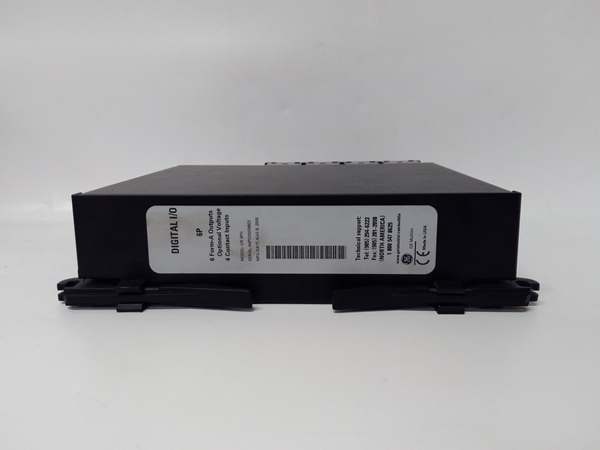
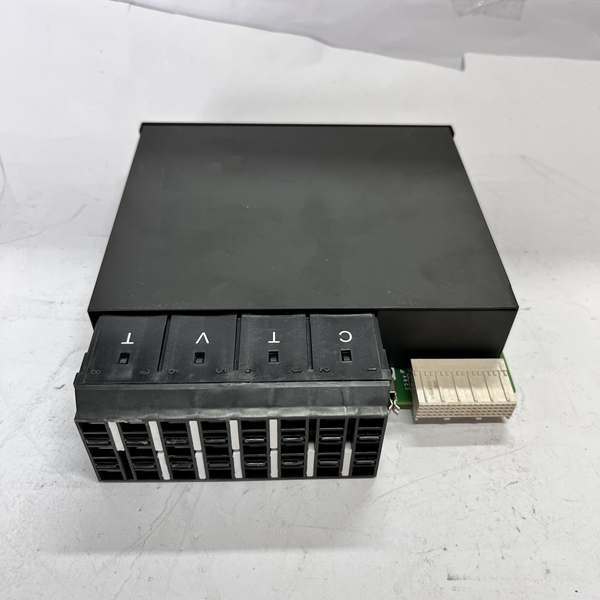
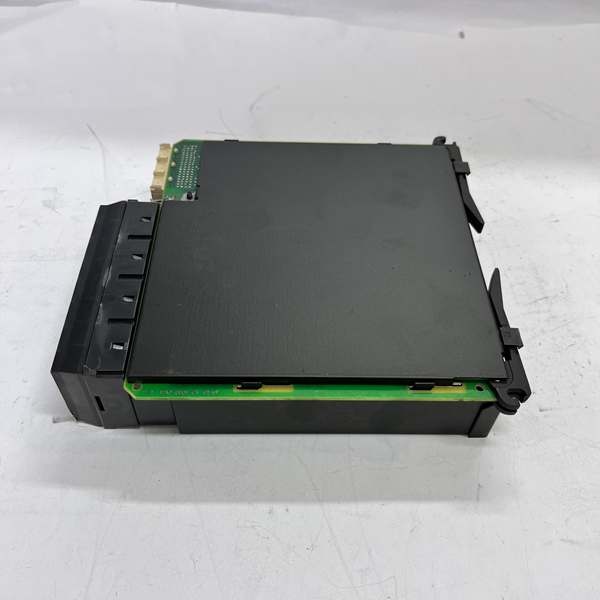
GE UR6PH
The Real-World Problem It Solves
High-diagnostic modules (UR-8LH) draw more power; low-power modules (UR-8LM) lack diagnostics. No middle ground for standard substations needing both efficiency and signal validation.
Where you’ll typically find it:
- 115kV–230kV distribution substations (standard protection + metering)
- Industrial plant switchgear with medium-voltage motors and feeders
- Generator auxiliary systems requiring voltage/frequency sync + fault alarms
Bottom line: It’s the balanced 4CT/4VT solution—enhanced diagnostics, low power, metering-grade accuracy, no unnecessary heat.
Hardware Architecture & Under-the-Hood Logic
UR-8LV uses a dedicated low-power DSP and four isolated CT/VT front-ends, galvanically separated from the UR backplane. Same slot footprint as 8LH/8LM, optimized for efficiency.
- 4 CT and 4 VT secondary signals enter surge suppression and current-limiting circuits.
- Precision burden resistors and low-gain amplifiers condition signals for protection/metering.
- Eight 16-bit ADCs convert analog waveforms to digital samples simultaneously.
- Onboard DSP runs real-time diagnostics: flags saturation, open circuits, phase imbalance.
- Time-aligned, fault-checked data transfers across isolated backplane to host CPU.
- Factory calibration stored in non-volatile memory; retains settings during hot-swap.
Field Service Pitfalls: What Rookies Get Wrong
Confusing UR-8LV with UR-8LH During ReplacementTechs swap LV and LH interchangeably. LV has same diagnostics/accuracy but lower power; LH runs hotter. Mixing them causes unexpected thermal issues in tight racks.
- Field Rule: Verify part number; LV labeled “Low Power” on edge connector; LH has no such marking.
Overlooking Power Budget in High-Density RacksNew techs stack multiple LV modules without calculating total draw. At 6.8W each, 4+ modules push some UR backplanes near 30W limit.
- Quick Fix: Budget 7W per LV; keep total slot load <28W; monitor cabinet temp >50°C.
Incorrect Diagnostic Thresholds for Noisy FeedersTechs leave LV’s default saturation thresholds. LV’s algorithms are sensitive—noise from arc furnaces or VFDs triggers false alarms.
- Field Rule: Bump saturation threshold up 10% for noisy loads; set open CT detection to 5% of nominal.

GE UR6PH
Commercial Availability & Pricing Note
Please note: The listed price is for reference only and is not binding. Final pricing and terms are subject to negotiation based on current market conditions and availability.