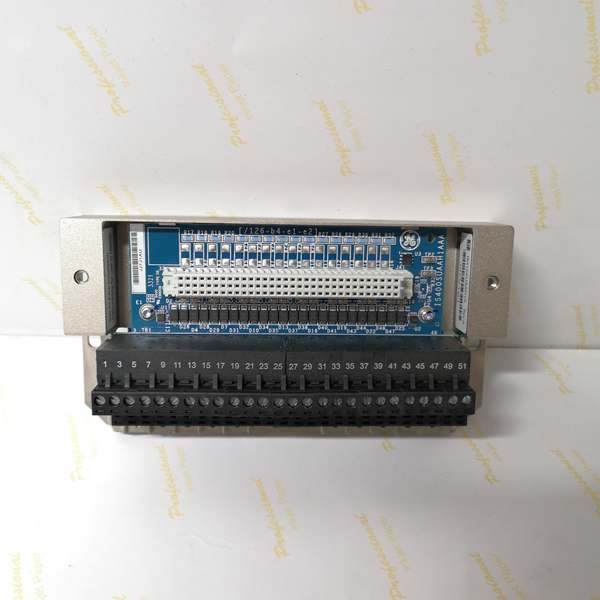
Description
Hard-Numbers: Technical Specifications
- Protocol Support: IONet, EtherNet/IP, Profibus DP, OPC UA, Genius I/O
- Ethernet Ports: 4 × 10/100/1000Mbps RJ45 (auto-sensing)
- Fiber Ports: 2 × LC multi-mode (100Mbps)
- Redundancy: 1+1 path, failover ≤ 1ms
- Clock Sync: IEEE 1588 PTPv2, accuracy ≤ 1μs
- Isolation Rating: 1500V rms field-to-backplane
- Power Requirements: 24V DC, 8.5W max
- Operating Temp: -40°C to +70°C
- Memory: 16MB SDRAM, 32MB Flash
- Environmental: G3 conformal coating, Class I Div 2 hazardous rated
- Certification: IEC 61508 SIL 3
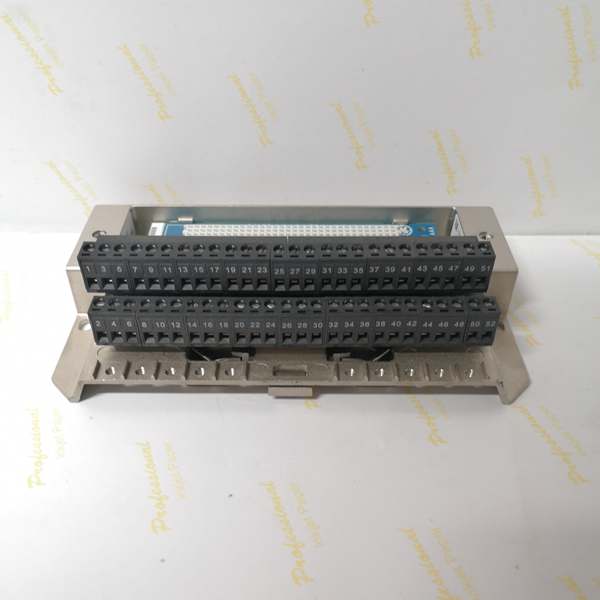
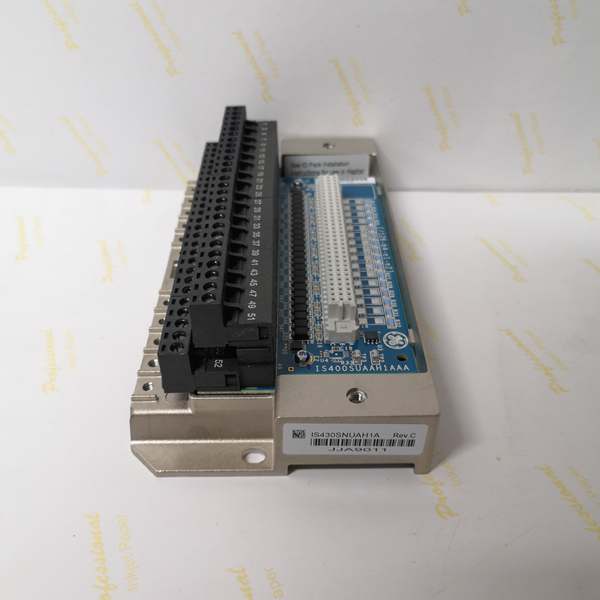
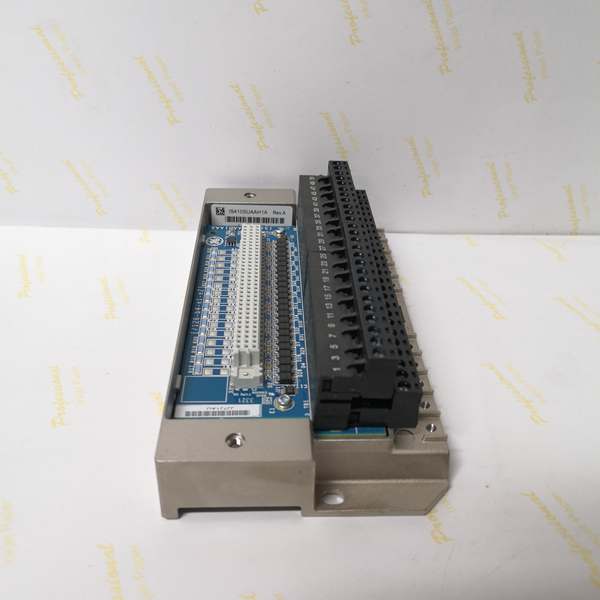
IS430SNUAH1A
The Real-World Problem It Solves
Legacy network cards bottleneck and drop packets in high-speed TMR control loops. This module splits and prioritizes IONet traffic to eliminate communication jitter and lost data.
Where you’ll typically find it:
- Mark VIe control rack communications hubs in gas/steam turbine packages
- Combined-cycle power plant DCS network distribution panels
- Offshore rig compressor train safety instrumented system (SIS) links
Bottom line: It stabilizes high-speed redundant communications and prevents TMR voting faults from network latency.
Hardware Architecture & Under-the-Hood Logic
This module runs on a dedicated communications processor with hardware-based switching. No controller CPU cycles are used for packet routing. Isolation protects backplane from field-side electrical faults.
- Incoming IONet/Ethernet packets enter via RJ45 or fiber ports.
- Onboard switch ASIC parses and prioritizes control data (TMR > standard I/O).
- Redundant path logic validates link integrity; auto-fails on fault detection.
- Data distributes to target controllers, I/O packs, and HMIs over isolated paths.
- Built-in diagnostics log port status, traffic, and fault codes to non-volatile memory.
Field Service Pitfalls: What Rookies Get Wrong
Incorrect Fiber Mode MismatchRookies install single-mode fiber into multi-mode LC ports. Link fails with “NO CARRIER” but no module fault LED.
- Field Rule: Use only 50/125μm multi-mode fiber; verify cable type before termination.
Overloading Gigabit Ports with Non-Critical TrafficConnecting HMIs or historians to Gigabit ports saturates bandwidth. Turbine control packets experience latency and timeouts.
- Quick Fix: Reserve 4x Gigabit ports exclusively for TMR controllers; use 100Mbps fiber for HMIs.
Skipping Redundancy SynchronizationInstalling two modules without syncing firmware causes split-brain switching. Random communication dropouts occur.
- Field Rule: Match firmware revisions on redundant pairs; run SYNC procedure before placing in service.

IS430SNUAH1A
Commercial Availability & Pricing Note
Please note: The listed price is for reference only and is not binding. Final pricing and terms are subject to negotiation based on current market conditions and availability.