Description
Product Introduction
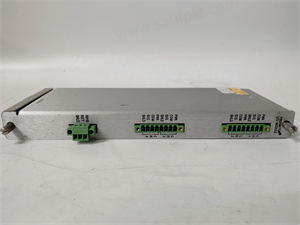
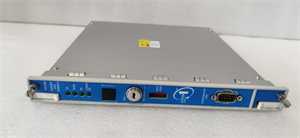
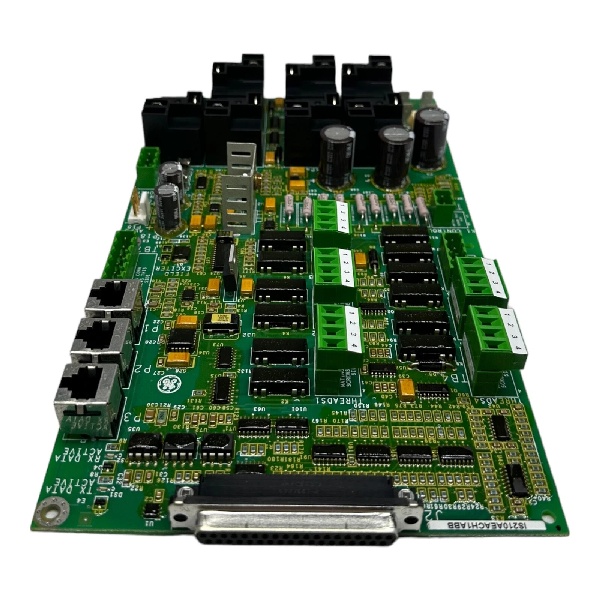
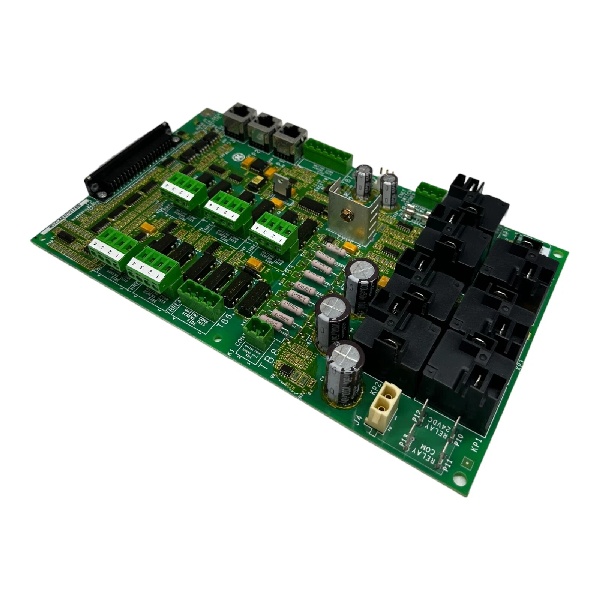
The GE is a Revision 3 AE (Acquisition & Excitation) I/O module designed for the Mark VIe turbine control platform. It mounts in the standard I/O pack, bridging field sensors—like LVDTs and thermocouples—to the main controller via the IONet backbone.
This “3B” hardware runs a faster DSP than Rev 2 units, handling complex PID loops at the edge to offload the main CPU. It supports 16-bit analog resolution with 1500 V AC channel isolation. Scan updates typically hit sub-10 ms even under heavy vibration—well, technically it depends on the specific Mark VIe rack configuration, but the DSP throughput is significantly higher here .
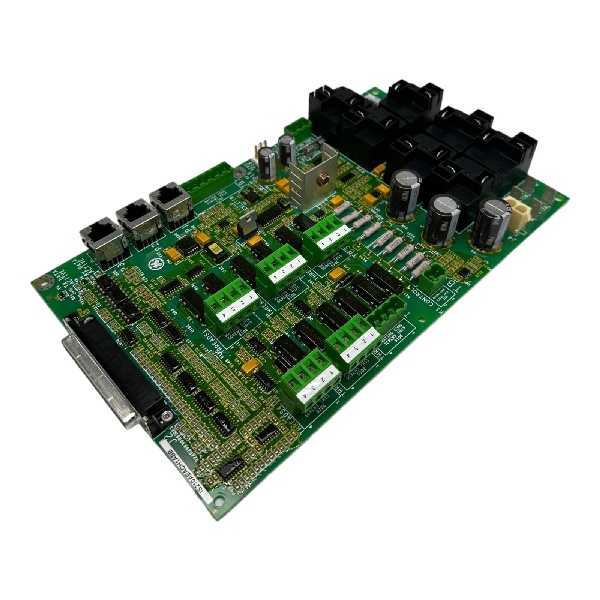
Key Technical Specifications
- System: GE Mark VIe / Speedtronic
- Functional Rev: 3 (Enhanced DSP, ESD protection)
- Supply Voltage: 24 Vdc (Nominal, Range 18–32 Vdc)
- Architecture: High-Speed DSP + FPGA
- Analog Resolution: 16-Bit (Verify counts with OEM datasheet)
- Isolation: 1500 V AC (Ch-Ch), 2500 V AC (Ch-Ground)
- Communication: IONet / GE SPI (Backplane)
- Temp Range: -40 °C to +70 °C (Operational)
- Signal Types: AI (4-20mA, TC, RTD), DI, AO, DO (Configurable)
- Mounting: Mark VIe I/O Pack / VME Slot
- Indicators: Run, Status, Error LEDs
Quality Control Process (Engineer’s Perspective)
- Incoming Verification: Match the GE silkscreen to the shipping label. Inspect the backplane gold fingers for scratches. Check the DSP heatsink for thermal paste dryness—old stock often suffers from dried compound.
- Live Functional Test: Seat in a Mark VIe test rack with 24 Vdc. Download a stress logic block. We monitor task execution time; the Rev 3 DSP should show <5 ms latency on 1000 PID instances.
- Electrical Parameter Test: Back-probe the 24 Vdc input with a Fluke 115 under load. Megger the field terminals to chassis at 500 V; leakage must stay >10 MΩ to survive switchyard noise.
- Firmware Verification: Query the HW_ID via ToolboxST. Photograph the configuration jumpers—though your mileage may vary as most config is soft-coded in firmware v8.x+.
- Final QC & Packaging: Clean gold fingers with isopropanol. Bag in anti-static foam with desiccant. Label “QC Passed – DSP Stress Tested” with the date.
Replacement Pitfall Guide
❗ Hardware Key (3B): The GE has a specific hardware ID (Rev 3, Suffix B). Swapping with a Rev 2 (AH2B) unit without updating the ToolboxST project triggers a “HW Mismatch” fault and locks the I/O pack.
❗ Firmware Binding: The firmware image (.fwi) is tied to the hardware revision. Forcing a Rev 2 firmware onto this Rev 3 board bricks the DSP—always download the matching .fwi from the GE library.
❗ Terminal Board Mapping: This module drives specific terminal boards (e.g., TMR, TBCA). Mismatching the I/O pack to an old Series 1 terminal board causes signal scaling errors (e.g., 4-20 mA reads as 0-20 mA).
❗ Power Budget: The DSP draws more peak current than Rev 2. If retrofitting an old rack, check the 24 Vdc PSU capacity; voltage sag below 18 Vdc causes the IONet link to reset during turbine spin-up.
❗ ESD to DSP: The processor is static-sensitive. Discharge to the cabinet frame before inserting—critical in dry control rooms (common in northern China winters).
Keep these in mind and you’ll cut 90% of rework time.
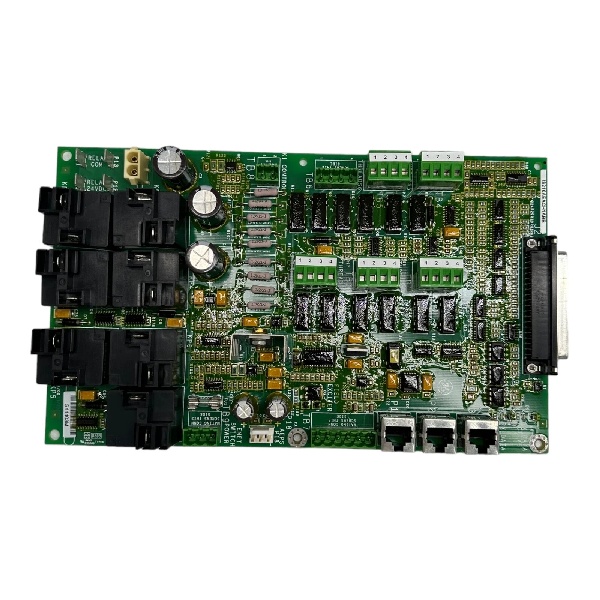
Compatibility Matrix & Benchmarks
- GE → GE IS210AEAAH2B : Needs Adaptation — Rev 3 DSP upgrade; requires project HW_ID update in ToolboxST
- GE → Mark VIe Controller (UCVE) : Direct — Plugs into standard I/O pack slots
- GE → Mark VI (IS215 Series) : Incompatible — Different backplane voltage levels and communication protocol
- Control Loop Scan: < 10 ms (Local PID execution on DSP)
- Data Throughput: 1.25 Mbps (IONet typical)
- Isolation Test: 1500 V AC (Channel-to-Channel withstand)