Description
Hard-Numbers: Technical Specifications
- CPU Clock Speed: 1.0 GHz Dual-Core
- RAM: 1 GB DDR2 SDRAM
- Flash Storage: 4 GB Onboard Flash
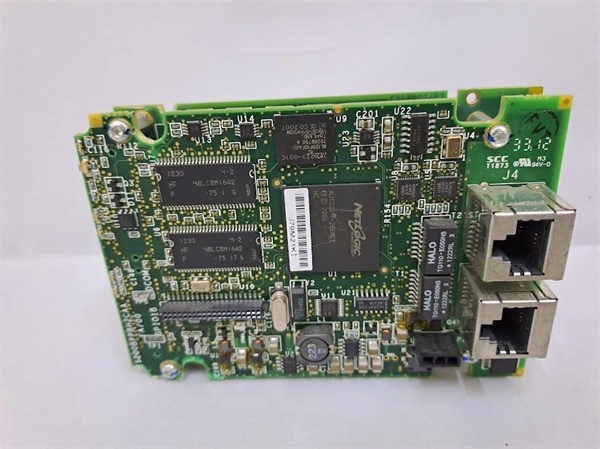
- Ethernet Ports: 2x 10/100/1000Base-TX (Gigabit RJ45)
- Backplane Interface: IONet (High-Speed Fiber/Electrical Hybrid)
- Operating Temperature: -20°C to +60°C
- Power Consumption: Approx. 25 Watts
- Watchdog Timer: Configurable 100ms to 10s intervals
- Safety Certification: SIL 3 Compliant
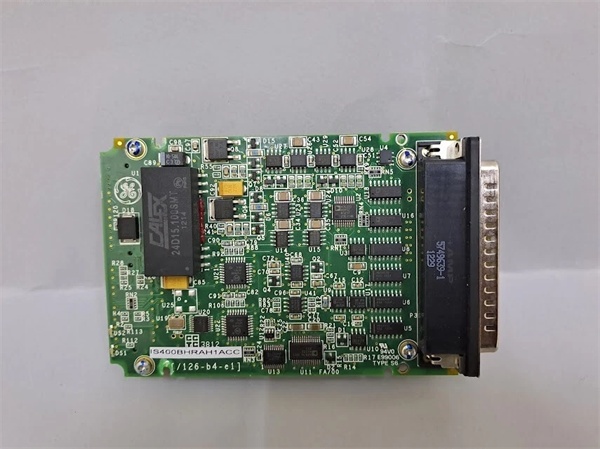
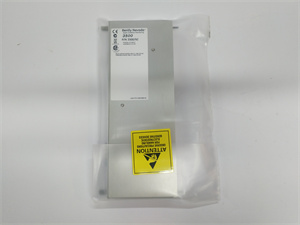
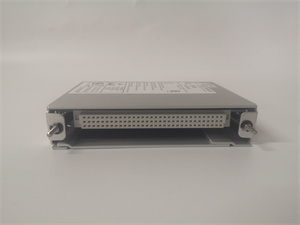
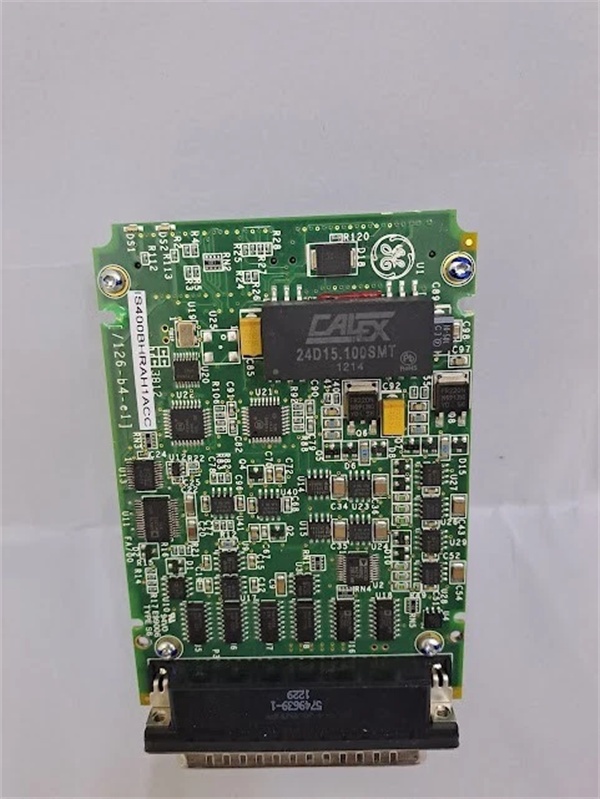
GE IS200BPPBH2BLD
The Real-World Problem It Solves
You’re facing a 1,000MW steam turbine retrofit where the old controller is bottlenecking on complex header pressure balancing. You need a processor that doesn’t choke on the math and can handle the load rejection transients without dropping a single I/O packet. This LD revision solves that bottleneck. It delivers a 1.0 GHz dual-core engine in a RoHS-compliant package, crunching the numbers while keeping the backplane traffic humming.
Where you’ll typically find it:
- Heavy-Duty Nuclear and Fossil Power Plants: Executing primary protection and header pressure control for 1,000MW+ units.
- Offshore Platforms & Refineries: Managing dynamic load balancing and emergency shutdown logic in corrosive salt-air environments.
- Pipeline Compressor Stations: Processing ultra-low-latency anti-surge control for high-horsepower compressors.
It turns a lagging, environmentally non-compliant control system into a high-speed, deterministic processing powerhouse.
Hardware Architecture & Under-the-Hood Logic
This is the brains of the Mark VIe operation. It houses its own autonomous OS and runs independently of the rest of the rack until called upon. The “LD” revision utilizes lead-free component soldering for enhanced thermal stability and meets strict environmental regulations.
- IONet Master Controller: The BPB sits at the top of the hierarchy. It polls all downstream I/O packs and aggregates their data into a unified process image at millisecond intervals.
- Dual-Core Processing Pipeline: Core 1 is dedicated to the deterministic execution of your ToolboxST control sequences. Core 2 handles background tasks, memory management, and communication with the plant DCS.
- Hardware Watchdog & Redundancy Switchover: The board monitors its own heartbeat via a hardware timer. If the CPU hangs, the watchdog forces a reset or triggers a seamless handoff to the redundant BPB unit in under 50 milliseconds.
- Gigabit Ethernet Backhaul: Processed data and high-speed event logs are shoved out of the dual Gigabit ports to the plant network, completely offloading the IONet bandwidth for critical control traffic.
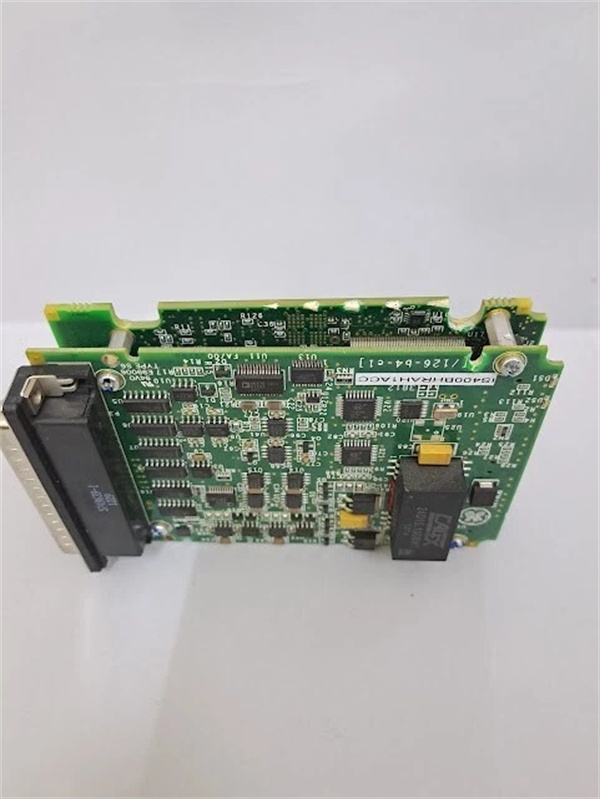
GE IS200BPPBH2BLD
Field Service Pitfalls: What Rookies Get Wrong
Blocking the CPU Heatsink Exhaust Plenum
A rookie installs the BPB and immediately stacks a high-wattage analog output card directly above it in the next slot. The BPB’s 1.0 GHz processor pulls 25 watts. Within three months of summer operations, the trapped heat causes the CPU to thermal throttle, leading to random task overruns and a forced turbine trip on “Control Loop Timing Fault.”
- Field Rule: Maintain a minimum 1-slot vertical clearance above and below the BPB. If you must pack the rack tightly, install a dedicated 24VDC muffin fan directly in front of the BPB’s heatsink fins. Confirm airflow direction (intake vs. exhaust) matches the factory orientation.
Swapping H2B for H2BLD Without Checking the Bootloader
You pull a smoking IS200BPPBH2B and slam in a new IS200BPPBH2BLD because “it’s newer and faster.” The green LED lights up, but the HMI screams “Firmware Mismatch” and the turbine refuses to roll. The LD hardware ships with a newer bootloader/firmware baseline that clashes with the legacy config files stored on the old flash drive.
- Quick Fix: Before a cold swap, insert a USB drive with the latest compatible firmware package into the front port of the new BPB. Allow the board to auto-flash its baseline before inserting it into the live rack. Never assume the firmware on a new card matches your 5-year-old application.
Attempting Local Repairs on Lead-Free (RoHS 6/6) Boards
A tech notices a cold solder joint on a capacitor near the CPU heatsink and tries to touch it up with a standard 60/40 leaded solder iron. The lead-free solder on the board has a higher melting point. The tech cranks the iron to 400°C, delaminates the PCB trace, and utterly destroys the $8,000 board.
- Field Rule: Never attempt to solder or rework RoHS 6/6 (lead-free) hardware in the field. These boards require specialized lead-free solder paste and precise temperature-controlled reflow ovens. If you spot a physical defect, RMA the board to a certified repair center with a lead-free capable line. You are not equipped to fix it onsite.
Commercial Availability & Pricing Note
Please note: The listed price is for reference only and is not binding. Final pricing and terms are subject to negotiation based on current market conditions and availability.